
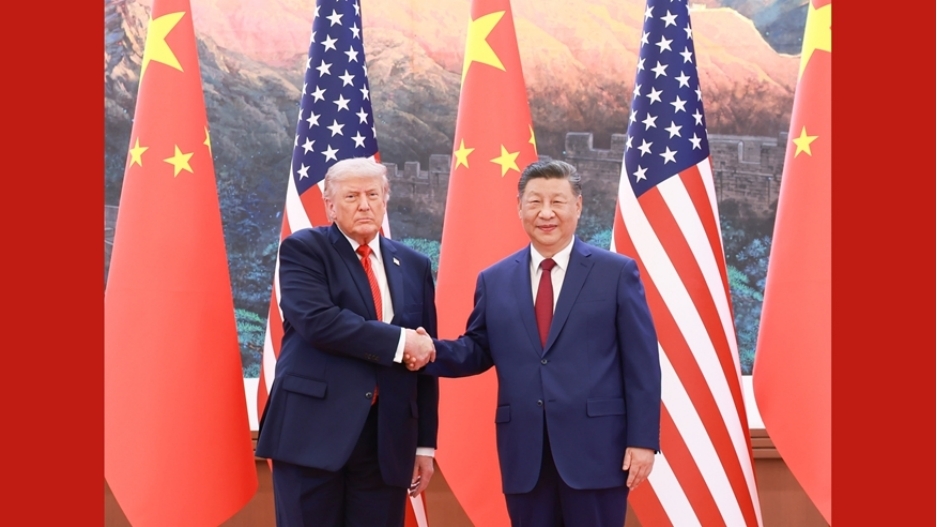
By Greg Hugh
Most analysts view Donald Trump’s recent visit to China as a mixed result: diplomatically useful, but short on major breakthroughs.
Here are the main takeaways:
- Trade relations improved somewhat.
The two sides announced preliminary agreements on tariff reductions, agricultural imports, and aviation purchases. China also signaled it may ease some restrictions on U.S. farm products and expand access for American beef and poultry exporters. - No major strategic breakthrough occurred.
On the biggest issues — Taiwan, technology competition, rare earths, and Iran — neither side appeared to make large concessions. Several observers described the summit as more symbolic than transformative. - Trump presented the trip as a success.
He highlighted possible large aircraft sales and improved economic cooperation, while emphasizing personal rapport with Chinese leader Xi Jinping. - China likely gained diplomatic advantages too.
Some analysts argued Beijing benefited from appearing stable and cooperative while giving up little strategically. - Financial markets were not fully convinced.
Investors expected clearer results. Markets reacted cautiously because many announced agreements lacked details or timelines.
Overall, the visit probably helped reduce tensions temporarily and reopened negotiations, especially on trade and agriculture. But most reporting suggests it did not fundamentally change the difficult long-term relationship between the United States and China.
President Xi to make state visit to US in autumn at invitation of Trump,