
In the turbulent 1930s and 40s, as borders across the globe were shuttered against Jewish refugees, a distant city in the East remained a solitary “open city.” Shanghai became the world’s only defenseless yet defiant sanctuary.
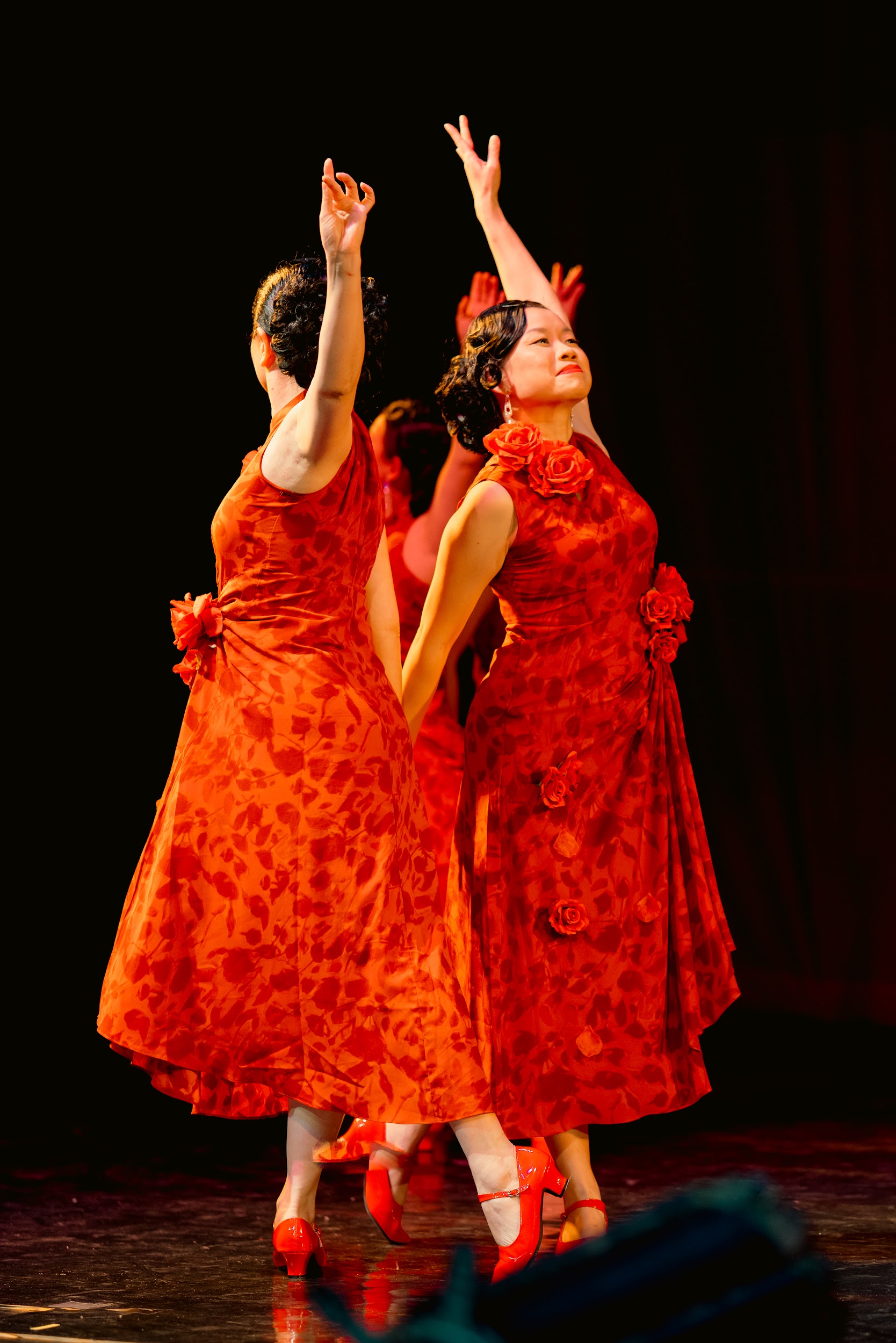
The creative contemporary dance drama SHANGHAILANDERS , produced by the Shen Pei Arts Alliance, pulls back the curtain on the real-life figures who inspired this narrative. More than a mere historical reconstruction, the production serves as a contemporary manifesto for interethnic harmony and the enduring power of human kindness.
The Souls Behind the Characters
- The Soul on the Bow: Alfred Wittenberg (The Prototype for Caleb)
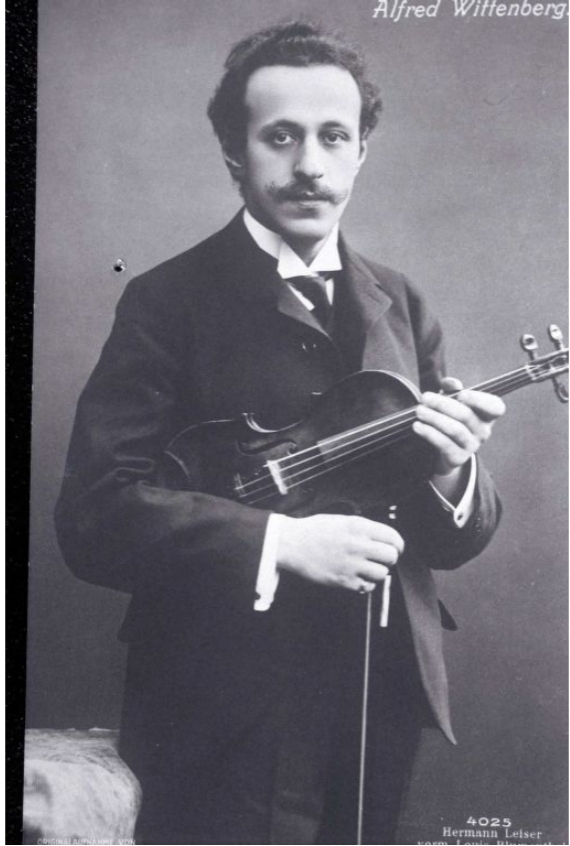 |
The male protagonist, Caleb, is inspired by the German-Jewish violin virtuoso Alfred Wittenberg. Once a titan of the European art world who performed alongside Albert Einstein, Wittenberg fled Nazi persecution in 1939, arriving in Shanghai with little more than his violin.
During the harsh years in the Hongkou District, he was kept alive by the selfless help of ordinary Shanghai residents who shared their meager rations of rice and coal briquettes. In gratitude, Wittenberg provided free musical education to poor Chinese children; some founders of the Shanghai Conservatory of Music were among his students. He passed away in Shanghai in 1952, where his tomb is still maintained by the local people today. |
- The Last Rose: A Wartime Romance (The Prototype for Rose)
| The heroine Rose draws inspiration from the cross-cultural romances of the era, such as those depicted in Weina Dai Randel’s The Last Rose of Shanghai. Her character represents the resilient local women who risked everything under Japanese occupation to provide shelter and secure life-saving transit permits for their Jewish neighbors. Through this mutual aid, the term “Shanghailander” evolved from a nationality into a shared spiritual identity. | 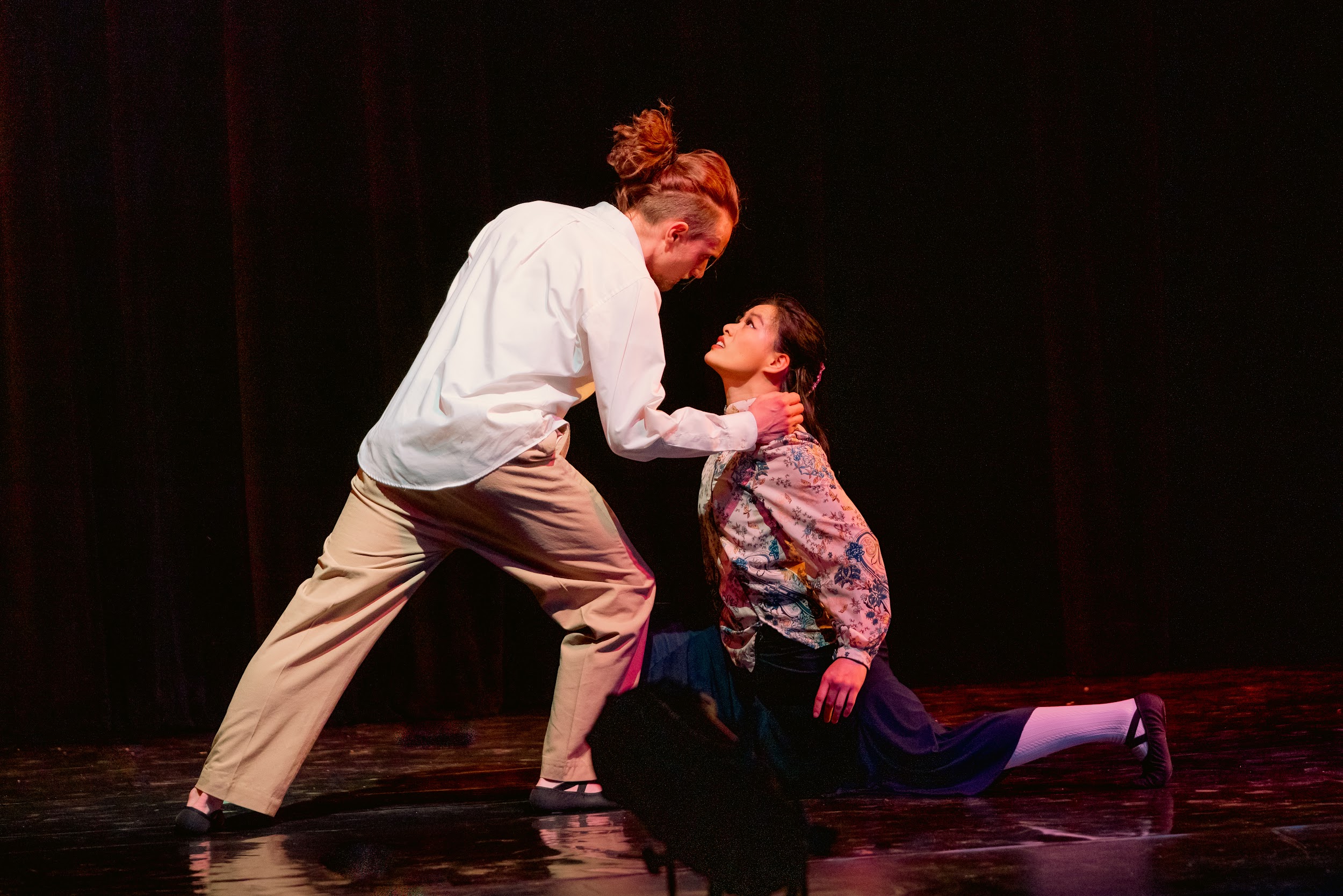 |
- The Shadow of History: The “King of the Jews” (The Prototype for Ghoya)
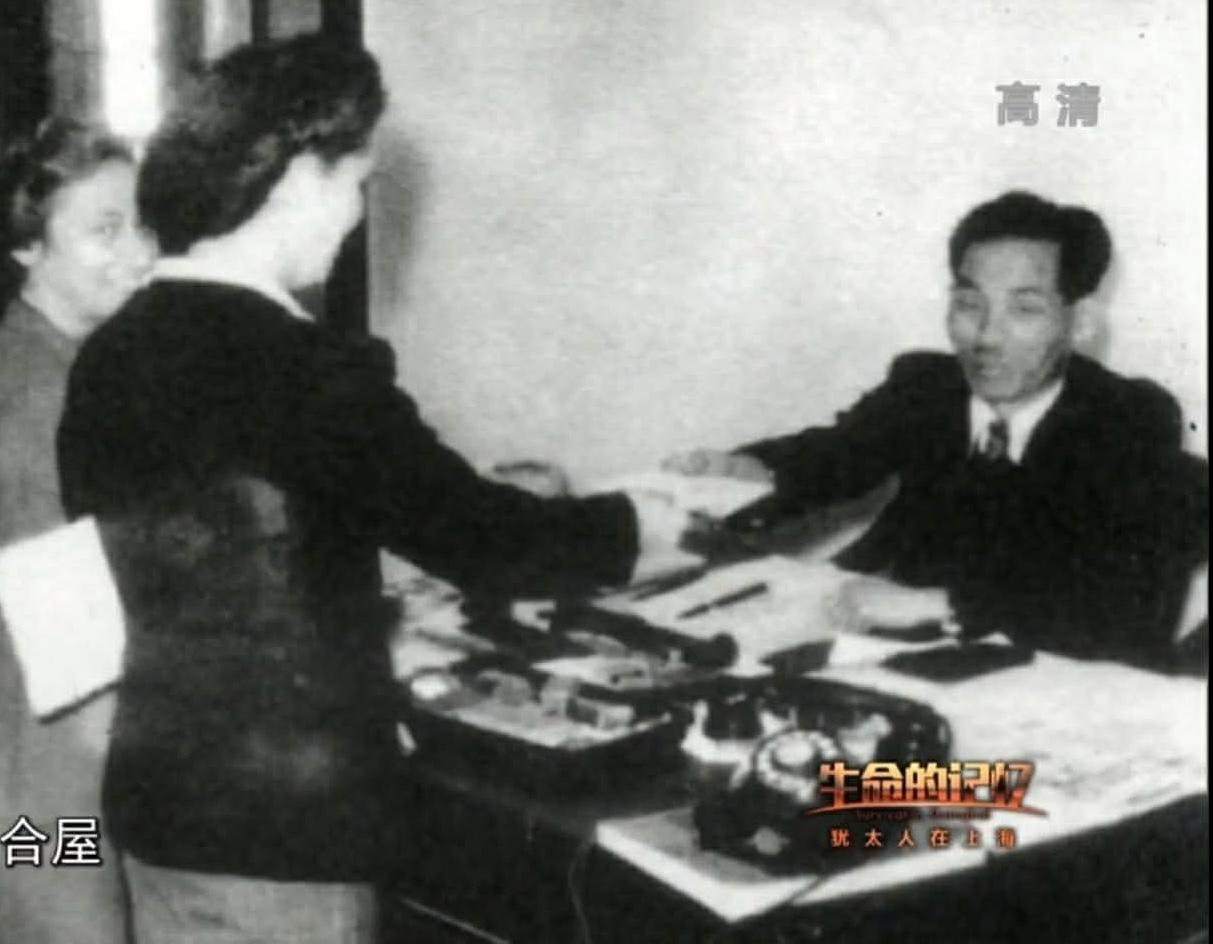 |
The antagonist Ghoya is based on the real-life ruler of the stateless refugee camp, the ghetto in Hongkou. Known for his cruelty and deep-seated insecurities, the historical Ghoya frequently humiliated and assaulted refugees. The dance drama artistically renders these atrocities to contrast the darkness of tyranny with the brilliance of human solidarity. |
A Cultural Tapestry of Sound
The production is woven together by a symbolic soundtrack:
- “Rose, Rose, I Love You“: Composed by Chen Gexin in 1940, this track became a global sensation—the first Chinese pop song to hit the Billboard charts after being brought to the U.S. by returning soldiers and Jewish musicians.
- The Hebrew Suite: Utilizing the Klezmer style, this music symbolizes the meeting of two ancient souls—Jewish and Chinese—finding resilience within brokenness.
Conclusion: Lighting the Future
The emotional core of the production is further elevated by its cast: a group of Chinese-adoptee girls who grew up in the West. Having studied Chinese dance since childhood, these university graduates have returned to the stage to explore their heritage.
SHANGHAILANDERS reminds us that while political ideologies shift, the bonds between people are eternal. Peace and harmony are not found in slogans, but in the simple act of a neighbor handing over a bowl of warm porridge in the dark of night.
Performance Schedule
- Saturday, May 30, 2026 – 7:00 PM
- Sunday, May 31, 2026 – 6:30 PM
Location
Fridley High School Performance Center
6000 West Moore Lake Drive, Fridley, MN 55432 (Door 12)
Tickets & Special Offer
|
 |
- Limited walk-in seating will be available for purchase at the venue.
- VIP Ticket Privileges:
Professional photo and commemorative gift signed by the Director, and lead cast.