
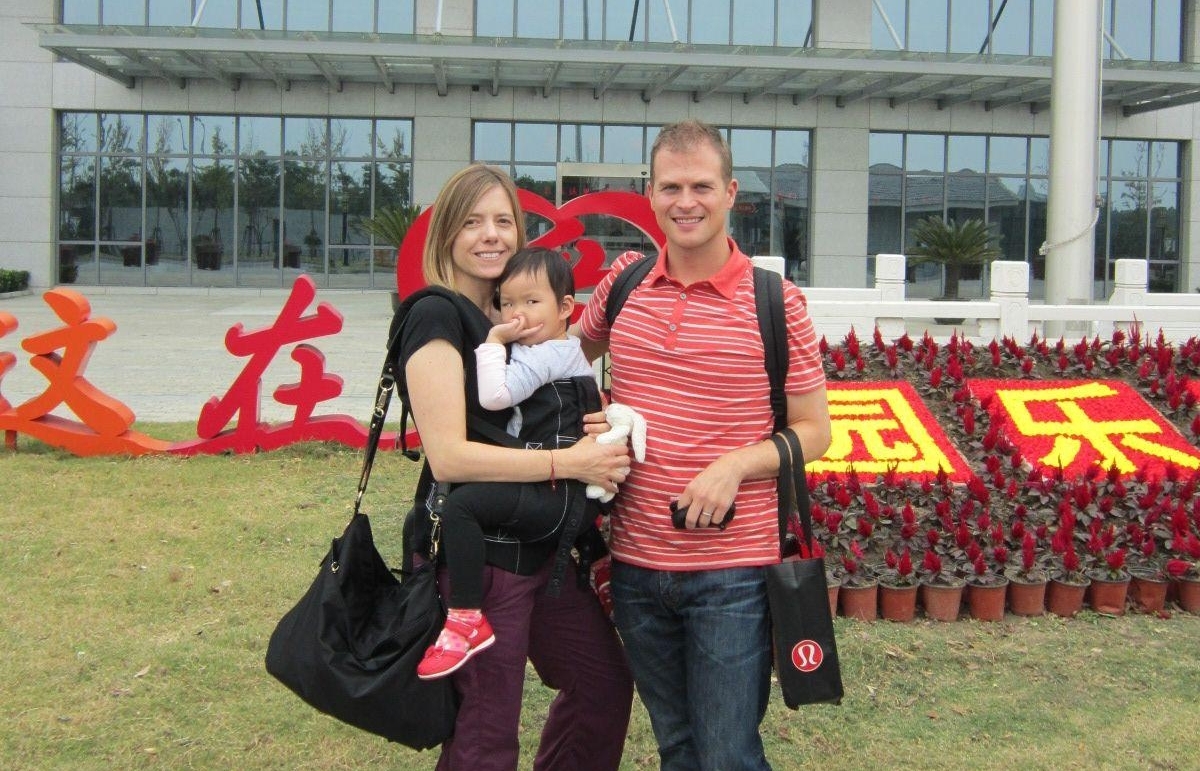
Figure 1: The Bielkes! From Left to Right: Denise, Eleanor, and Zach.
By Jenny Liang, Associate Reporter at China Insight
An (asterisk) * depicts that the interviewee’s name has been changed for their privacy.
All pictures provided property of the interviewee.
In a Nanjing government office, Denise and Zach Bielke were anxiously awaiting the arrival of their daughter.
Over a decade later, that daughter now sits across from me. We were seated at Ninth Street Coffee in Minneapolis, hands cupped around hot drinks. Eleanor Bielke vividly recalls her adoption, she tells me, when rifling through her baby pictures.
During their first meeting, it was Eleanor’s first time out of the controlled area of the orphanage. The sheltered two-and-a-half year old was held by nannies and became so overwhelmed by the strange environment that when the doors opened, she began “screaming and bawling her eyes out.”
In complete contrast, Zach and Denise felt both pure joy and trepidation. Finally– finally–after years of heartbreak and longing, they had a daughter!
In the highlight of their lives, the terrified child was placed into her mother’s arms. “She’s all yours,” they told Denise. All yours.
Now, Eleanor is a radiant teen. Like many other adoptees I interviewed, she practices traditional Chinese dance, an art form which provides a lifeline to her Chinese heritage. She stays immersed in high-level productions while concurrently excelling in her studies.
In my last article, I discovered how the featured interviewees, who experienced limited to moderate Chinese immersion, had a wide range of experiences. Some, like Jae Nelson, experienced little to no identity crises. Others, like Rachel Yang and Sarah*, had tumultuous periods where they felt out of touch with both worlds.
Every adoptee I interviewed thus far had always known they were adopted, and most of them wished to be more active in Chinese culture and improve their Mandarin. There does seem to be a positive correlation between level of Chinese immersion and subsequent feelings of cultural and personal belonging. It seems that adoptees who were connected with their heritage tended to be more confident and content in their identity.
In other areas, there is no common mold for Chinese adoptees raised in Western families. Parents had various reasons for adoption, including infertility, a lifelong desire to adopt, and religious reasons. The adoptees were raised in different levels of immersion, from none to full immersion. Some of my interviewees feel at peace with their background. Others are still on a path to personal reconciliation.
These adoptees often feel ostracized in their homogenous communities. As adoptee Hannah Ferber aptly describes it, “I feel like a bright red fish in a mostly gray pond.”
In the third article of this series, I highlight the stories of Chinese adoptees who were raised with significant immersion in Chinese culture, whether through language or cultural activities. I wanted to see if greater Chinese immersion really meant greater connection, or if having an additional identity or culture to juggle caused mental strain or additional stress to an impressionable child’s life.
Most of these adoptees understand Mandarin, and the majority are involved in cultural activities.
Eleanor and the Bielke Family
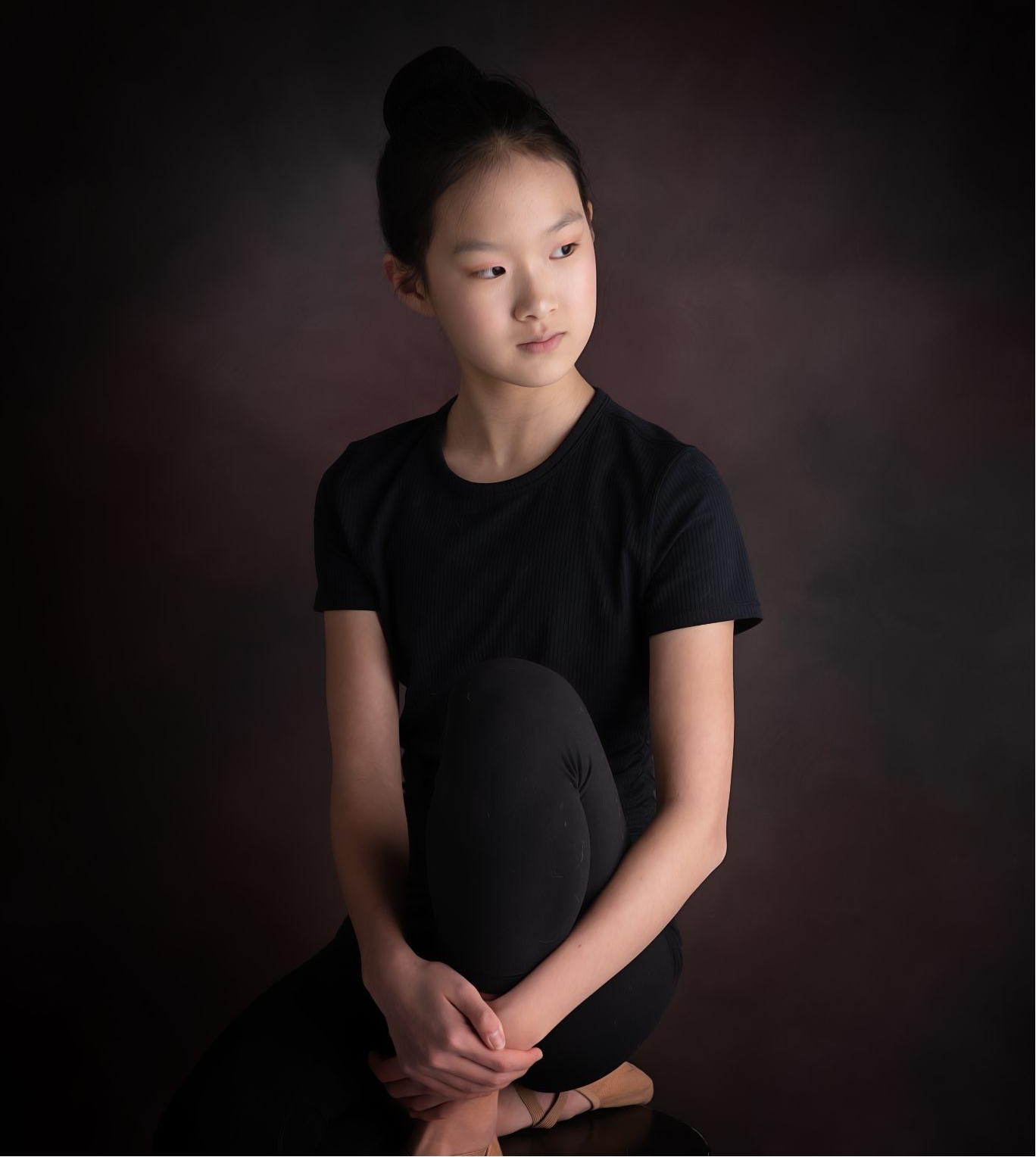
Figure 2: A recent dance portrait of Eleanor.
On a bleary winter day in November 2012, a six-month-old baby girl was discovered in Suzhou, Jiangsu province. Jiangsu is known for its Huaiyang cuisine focused on fresh ingredients, water towns, and dreamy classical gardens (https://www.thechinajourney.com/jiangsu-travel-guide/).
The girl would be in the orphanage for the next two years. Something uncommon about the infant was her age, as most abandoned children are newborns.
On the other side of the world, Denise and Zach were at their wits’ end. The couple had gone through several years of infertility and desperately wanted to be parents. They yearned to nurture a home and start a family. They tried their best, the parents told me.
“But it was hard on her body,” Zach observed sadly. “It wasn’t going to work.”
“But we were selfish. We wanted to be parents.”
Although not their original plan, adoption seemed like the one viable path left.
The Bielkes selected Children’s Home Society MN as their adoption agency, found a social worker, and took classes while they anxiously waited to be matched. In the beginning, the couple thought they would adopt from the East African nation of Burundi. “But we found out the program wasn’t sustainable.” On the advice of doctors, Zach and Denise Bielke switched to the China program. “It was very streamlined,” the parents commented. “They had done it for years.”
The Bielkes were adopting their child at the height of transnational Chinese adoptions. “From 2001 to 2014, there were so many Chinese adoptions,” Denise exclaimed. But the Chinese process was much more efficient, and following the switch to China, the Bielkes only had to wait a year. There was one catch – Most of the children available for adoption from China were girls.
Denise looked at Zach. “He wanted a boy.” Zach shook his head. “No – I didn’t want a boy. I wanted a girl.” Eleanor and I laughed.
The adoption agency managed all of the legal processes. Once a month, Denise and Zach received files from their agency, with listings of available children from a central Chinese agency. The list was ranked by best match through comparing the needs of children and adoptive families.
The matching process took into consideration parental needs and preferences, including gender, age, and medical demands. Parents like the Bielkes worked with doctors to determine what medical conditions they were comfortable with and what they were financially capable of.
For the agency, Denise stressed, their goal was to find a good fit for both parents and children, and not to overwhelm the adoptive parents.
“It would be the worst thing,” she laughed.
During Eleanor’s adoption process, there was an internal switch happening in China. Noticing the demographic collapse through the One Child Policy and the loss of children through transnational adoptions, the national government began to promote the adoption of healthy babies to Chinese families internally.
This led to fewer healthy newborn and infant children being available for adoption, and more stress among the parents, as the government began to dissuade foreign adoptions. Sadly, those with medical conditions, physical or developmental disabilities, and older children were still largely unwanted by the Mainland population and made up large segments of orphanages.
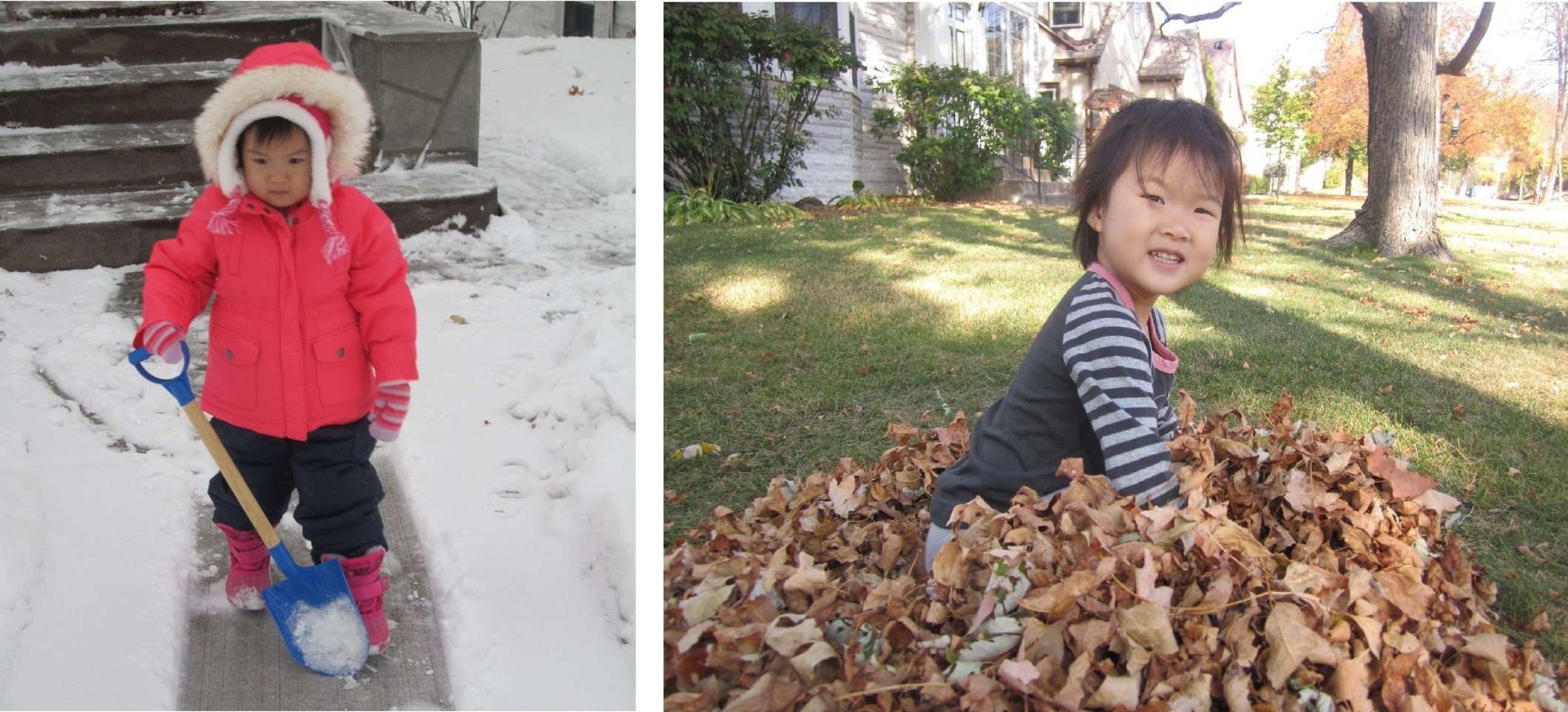
Figure 3: Baby Eleanor in the snow.
Figure 4: Playing in the autumn leaves.
When I asked Denise and Zach how they knew Eleanor was “the one,” Denise beamed.
“On May 26, 2014, we received a file. It was 8pm at night, and we were glued to the computer. At that time, we had gone through a few rounds already, so we knew that we were at the top [of the waiting list], and that we would get a better match.”
Even so, Denise didn’t want to get too excited. “Previously,” Mrs. Bielke told me, “we had to reject two girls, because their needs were too much for the family. We didn’t want to be too excited when we saw the files.”
Instead, Denise and Zach opted to send the adoption files to their doctors at the University of Minnesota to analyze. The doctors would “look at everything,” analyzing the provided pictures and measurements from an objective third-person standpoint, before providing their insights to the Bielkes.
“They sent the file back on a Wednesday,” Denise commented to me, “since it took three days to hold the files and analyze if it’s a good match or not.”
The parents had a gut feeling the little girl in this file was the one. “The moment clicked,” she said, “when we got the file.”
They opened the file in anticipation, eyes catching on a single note from their doctor:
Wonderful healthy girl, great addition.
Eleanor, the doctors wrote, was a good match. The match. The emotional roller coaster was finally over for the couple.
But the hardest part was passing on other girls.
“It was heartbreaking. The videos and photos stick with you.” The innocent faces of the other girls, also victims of circumstance, linger in their memories.
Even so, the Bielkes now forever changed the life of a little girl, their Eleanor.
“One of the great things about the file is that you get a little photo of the child. Once you accept, you get more photos.”
“The first photo we received was of Eleanor in a jacket. She looked constipated,” Denise laughed. “We knew it was her.”
They received two more photos after that. “We received just three photos of our child before we adopted her. We knew she took a bath twice a day or week. It was very overwhelming.”
The family’s first in-person meeting was burned in their brains:
“There was a knock at the door, and we were in this room at the Nanjing government office. There were many families waiting for children. Our family was the last one, so we knew it was Eleanor.”
After the nannies passed over the screaming Eleanor, Denise brought the child to a quieter space in the back, where she calmed down. “I gave Eleanor M&Ms,” she shared, eyes twinkling. “We had an instant bond.”
The family has two pictures of Eleanor with them at the hotel, one with her and Denise smushed together, and a second one with Zach at a careful distance.
At first, the two-year-old didn’t want much to do with Zach. It took 3 to 4 days for her father to hold her. “Most children in institutional care in China were surrounded by female characters. Seeing a white male would be very strange.” But, slowly, Eleanor warmed up to her father and they soon became inseparable.
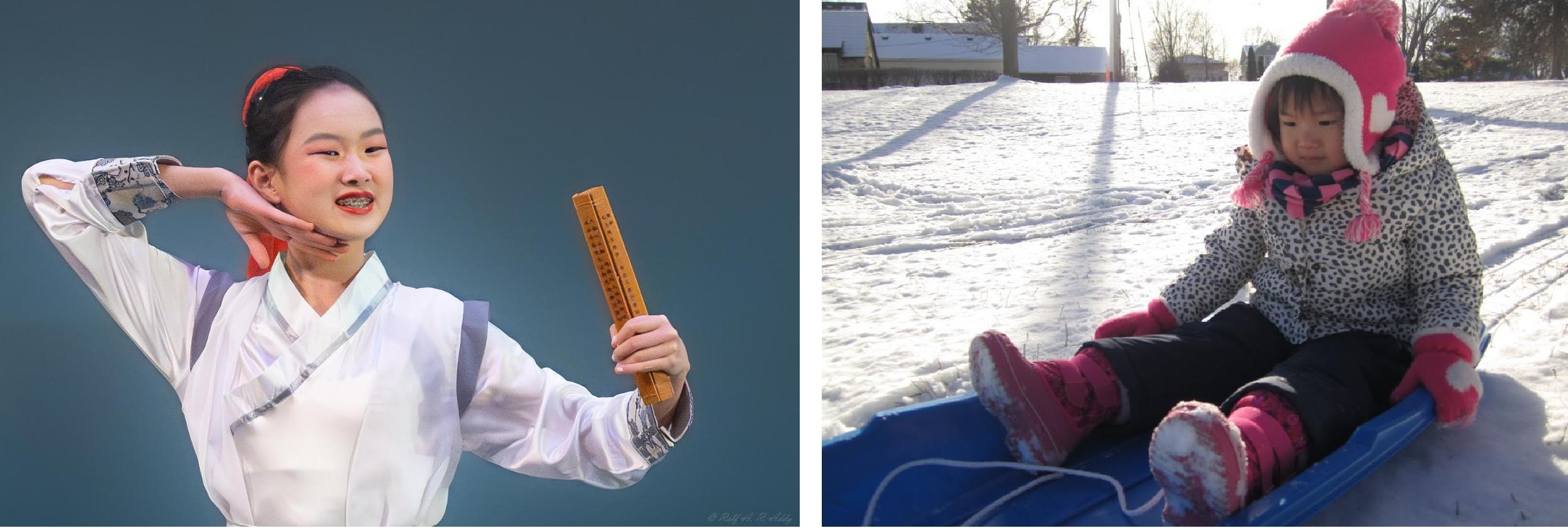
Figure 5: A dance portrait of Eleanor (Credits to Rolf A.R. Addy).
Figure 6: Eleanor’s first memory was sledding with her dad!
“What about her name?” I asked. “Is there a reason you named her Eleanor?”
Eleanor’s surname was ‘Su,’ as she was adopted from the province of Suzhou. In a creative twist, the orphanage coined all girls born in 2012 ‘Chen.” Since Chinese naming culture addresses an individual by their surname first, the girl was referred to as ‘Su Chen.’ Since Yan was her middle name, the child went by ‘Yan Yan’ as her nickname.
“As for Eleanor,” Denise added, “Eleanor was a family name and the name of my grandmother.” If I had a daughter, I would name her Eleanor.
In China, Denise and Zach called their daughter Yan Yan and Chen Yan Yan. “We felt comfortable calling her that. Her name meant ‘to fly like a swallow, or to fly free.’
When the family returned to the States, Eleanor was still calling herself Yan Yan. When she went to the hospital for surgery, they put ‘Eleanor’ on the documents as her legal name.
“Doctors and nurses would call her Eleanor.” Her mom sighed. “By the time she left the hospital, Yan Yan was no more.”
In the span of her hospital stay, their daughter had gotten used to the doctors calling her Eleanor. “It was one of my true regrets,” Denise said sadly. “I wish that I would have told them to call her by her Chinese name.” After her surgery, their daughter referred to herself as Eleanor. “As her mother, I feel like I could have done something.”
I was curious about Eleanor’s upbringing. “How did you prepare to raise a child of a different race and culture?” I asked the parents.
“We went through a lot of general adoptive training, and prepared as much as we could. The priority was to get Eleanor healthy and here,” Denise shared.
“Once you have adopted, there are other families that adopt Chinese children, and you make connections. Your understanding and desire to learn grows. That was what led us to Chinese dance.”
“We did get a rice cooker,” Zach quipped. “We still have it!”
When I asked if they faced any challenges helping their daughter embrace both her Chinese and Western identities, Denise and Zach told me they had “challenges every day.” There was some guilt, Denise shared, “guilt about bringing a child into their white lives.”
“Without Chinese dance, we would be lost. It is a vital part of our family and a vital part of our family’s identity.”
I remembered my interviews with numerous other adoptees who were all involved in Chinese dance. Not one regretted being involved, and they told me how dancing kept them involved in their heritage, gave them a hobby, and immersed them in Mandarin.
“We were outsiders,” Zach added, “but the community was gracious. Without Chinese dance, we would have more challenges. Eleanor’s connection to her Chinese heritage would be reduced to food experiences.”
“We know other adoptive families with very little connections and experiences. But our family has embraced it, and we feel like we have been embraced.”
I turned towards Eleanor, smiling. “Ready for your turn?”
Eleanor Bielke’s first memory, she told me, was going sledding. Her dad had pushed her up the hill.
“How did you first learn you were adopted?”
“We talked about it a lot. There wasn’t much to hide.” Eleanor laughed. “I was Chinese and my parents were white.”
When I asked Eleanor how she was involved with her heritage, she had a lot to share.
“We celebrated all holidays, Chinese and American, including the Moon Festival [or Mid-Autumn Festival] and Lunar New Year. Our dance company does outreach at festivals and events, and there is a big lunar new year production at the O’Shaunessy. We also decorate our house for Lunar New Year, and we get new lanterns to add to our decorations! I get to wear my qipao, and I get my dresses from Suzhou and China Towns.”
“I also tried Chinese language classes – although they never really stuck. I retained some Chinese when I was younger. At dance, the teacher, 李老师【li laoshi】spoke Chinese with all the girls.”
Even so, Eleanor never pursued Mandarin. “I wasn’t genuinely interested,” she told me. “But Chinese dance was fun! It was nice seeing my friends. We had great bonds, and the dances were fun to do. Rehearsals can be long though.” She told me that she most likely wouldn’t learn the language as an adult.
Dance became a core part of Eleanor’s identity. “I had the same teacher (李老师) for eleven years. It was pretty demanding time-wise.”
That may be why Eleanor described her identity and culture as Chinese, and feels equally Chinese and American. She has stayed immersed her entire life through the deliberate efforts of her parents. In addition, Eleanor demonstrated an interest in adopting in the future, especially from China.
Despite that, the Bielkes still faced struggles as a transracial family. “Some things get wrapped together as a mixed-race family,” Zach shared. “Our cultural base is as White Minnesotans, and we brought Eleanor into that. Now, there are opportunities to invest and grow alongside her.”
“We have all grown together into this new place, and China has become a very strong point of pride for our family.”
“We love China,” Denise said. “We have immersed ourselves into Chinese culture. It’s very important for us, being an integral part of the Chinese community. Chinese culture is a big part of our lives and we are very intentional.”
“Our adoption agency gave us a lot of education on involving our kids in their birth culture. But a lot of parents didn’t do that. It’s very easy for white parents to ignore that, especially in Minnesota.”
“You have to seek it out, and it can make parents uncomfortable.”
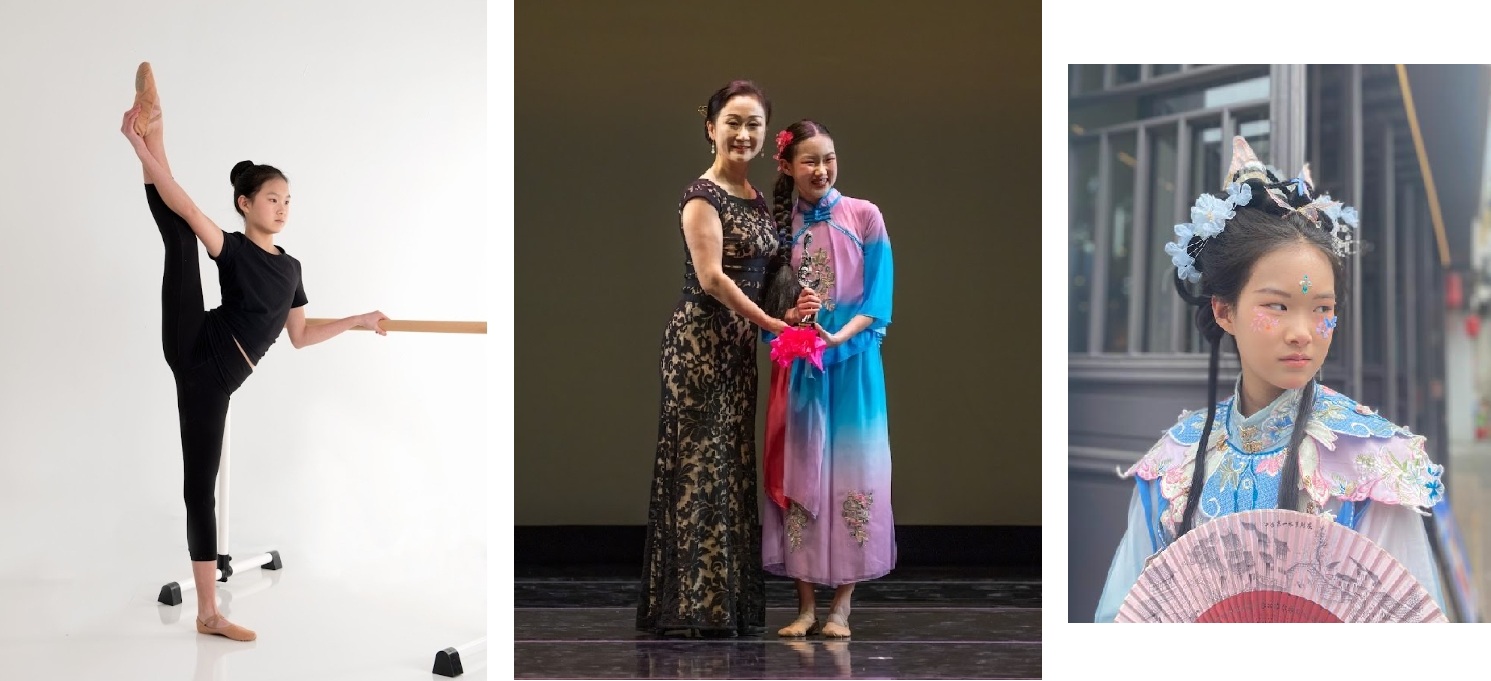
Figure 7: An impressive shot of Eleanor at the studio.
Figure 8: Eleanor and her dance teacher.
Figure 9: A gorgeous picture of Eleanor Bielke in traditional Chinese Hanfu attire.
For Zach and Denise, being acclimated with diversity was never a problem. Although Zach had a “sheltered upbringing,” he worked in sales and had experience traveling globally and was familiar with the culture in China. “Learning and getting a more global view of the world gives me more open experiences to people in general. Everyone has a story that is different.”
Denise, on the other hand, is a career educator, teaching first- and second-graders with dyslexia. Her school district, she told me, “is at the forefront of diversity training. They are amazing at educating us and having conversations about our whiteness.”
When I asked the parents if they were raising their child religiously, Zach shared that he grew up in a religious household and used to attend church with Denise. “However,” Zach told me, “we made a conscious decision not to go to church after the adoption. When Eleanor came into the family, she had so much anxiety that new places were hard. Plus, if Eleanor was being raised in China, she wouldn’t be raised in the Church. We wanted to be respectful, and didn’t incorporate religion into upbringing.”
Eleanor had a relatively normal childhood with very good friends. There weren’t too many instances where she felt “different” from her peers. Eleanor didn’t feel like her physical appearance played a role in how others treated her and hasn’t experienced an identity crisis yet.
I smiled when she told me she never wished she looked different. Her parents raised her well, I thought.
Eleanor Bielke had plenty to share about her childhood. She described her community as “very diverse,” and described herself as “very involved with Chinese culture through dance.”
“My best friends,” the dancer shared, “are from dance and Chinese.” Some of those friends are also Chinese adoptees.
“How do you feel when you hear Mandarin spoken around you today?” I asked, curious. “No reaction,” Eleanor admitted. “Although sometimes I feel left out.”
I received the same response when I asked Eleanor how she felt about her birth family. She has no desire to connect with her birth parents immediately, but is unsure about the future.
Even though Eleanor understands “very little” Mandarin, the girl still has a positive view of her country of origin. “We went to China last summer to celebrate 10 years with my family, and went with good friends who were Chinese. We went to my hometown and went back to my orphanage and visited the same people who worked there 10 years ago.”
But the COVID pandemic, Denise shared, was difficult for Eleanor.
“There was a lot of negativity over the Chinese community, and people would ask Eleanor if she had COVID. Luckily, Eleanor remembered very little. It was a good thing that our family went into lockdown.”
“Have you ever experienced racism or micro-agressions?” She nodded. “Yeah,” Eleanor said. “Me and my friends are one of the few Chinese people in our school. Others would ask us all the time if we were sisters.”
I smiled. I had that happen to me and my friends too many times to count. Asian people looking alike is the stereotype.
“There was an incident on the bus where people made disrespectful comments towards Chinese people. Normally, I would just tell my parents, and they would tell the school. The school has been very respectful, and would talk to the children. I haven’t found a teacher or principal who would brush it off.”
“They even pulled up the bus videos!” Denise explained.
“I do worry about her at school,” her mother maintained. “She is one of two Chinese girls. But Eleanor does gravitate towards people of color. I don’t know why she does that, but maybe there is a common thread between people of color in the community, shared experiences.”
It was obvious that both Denise and Zach made a conscious effort to ensure that their daughter felt connected to her heritage.
“If you could speak to your younger self, what would you say about identity and belonging?” I queried.
“There will be a lot of changes and hard things in your life, but push through and persevere.”
“What would you like the readers to know about your daughter?” I asked Zach and Denise.
“We would like them to see how great Eleanor is doing. Adoption is very hard. The path of adoption and being adoptive parents with a child who isn’t ‘us’ is very hard. Our family has been through challenges that have made us a lot stronger. Even though it hasn’t been an easy process, especially when Eleanor was younger, we wouldn’t change anything.”
Eleanor Bielke tells me that she dreams of becoming a doctor. Her aspirations are an integral part of her story and journey. When she was adopted, Eleanor had a cyst on her liver that grew into her intestines and pancreas. The young child had developed a blood clot, and her parents had to give her shots twice a day. The operation and subsequent slew of medical appointments rocked everything in their lives.
The family went to hematologists, specialized medical doctors who manage internal blood, bone marrow, and lymphatic diseases. The complications caused a lot of stress and trauma to a young child who had never known comfort and safety.
Although the hospital healed her body physically, the operations and constant barrage of medical procedures was taxing on her small body and left a negative stain. One pertinent example is that Eleanor had a lot of shots done, and even years later, she is still scared of needles.
As someone who used to be hospitalized frequently for medical issues, I deeply understood the pain and fear. There are some experiences that you simply can’t forget, no matter how deeply you bury it inside you.
“We didn’t know,” Denise confided to me sadly. “We didn’t see the damage.”
During that time, Eleanor developed anxiety. It took a family therapist years to help the family heal and effectively navigate medical procedures.
“The trauma of adoption, medical trauma, and enormous surgery and recovery time brought our family closer.”
In a full circle moment, Eleanor dreams of becoming a doctor or a “nurse that gives shots to people.”
“When I was younger, I had a lot of medical experiences and shots. I want to do it to other people nicely, and do it to help people.” She recalls a lot of labs, checkups, and doctors.
She understands the fear around shots, and wants to ensure nobody else goes through the same trauma she once did. Eleanor’s empathy and unique experience gives her a vantage point few other doctors have, bridging the divide between aloof medical professionals and scared patients.
I left the interview feeling strangely optimistic about the beautiful family: Eleanor, I look forward to seeing you as a doctor, and may you embody the Hippocratic Oath every day!
I will remember that there is art to medicine as well as science, and that warmth, sympathy, and understanding may outweigh the surgeon’s knife or the chemist’s drug.
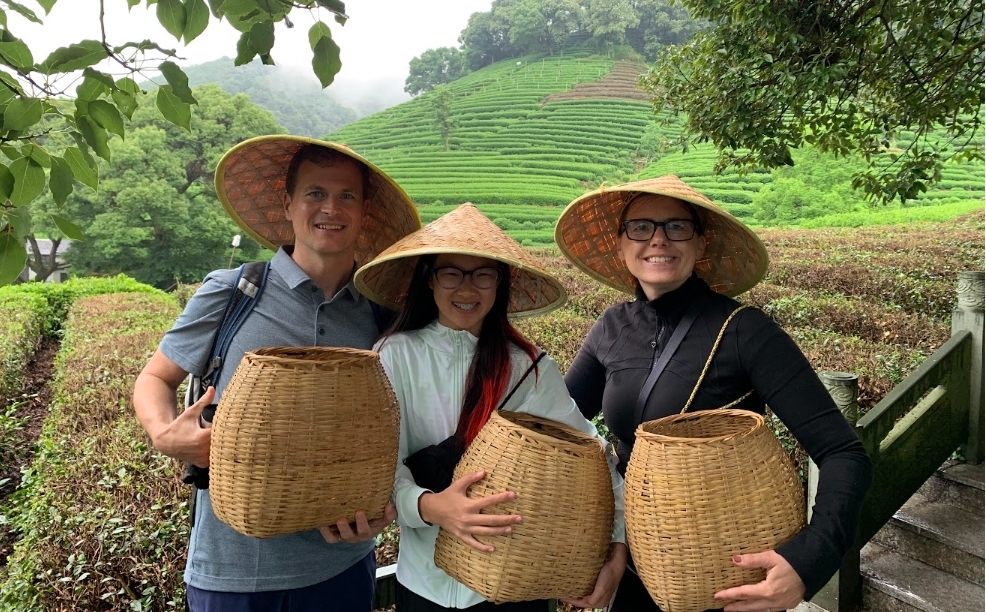
Figure 10: A recent picture of the Bielkes on vacation.
Ginger* and the Johnson* Family
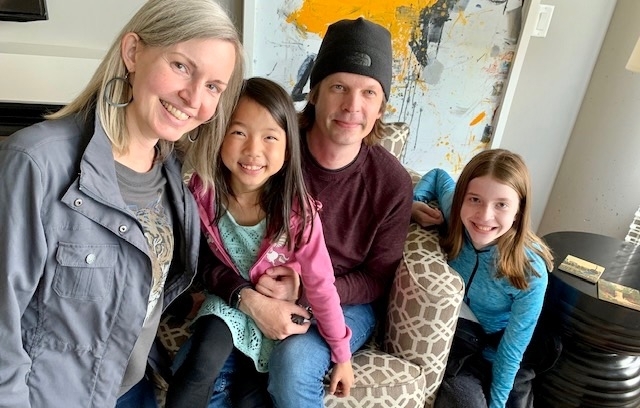
Figure 11: The beautiful Johnson* family. From left to right: Angela*, Ginger*, Carl* and Vivian*.
I was with the Johnson* family on a blistering cold evening in December. We were seated on comfortable couches and sipping hot herbal tea prepared by Angela*.
Angela* is a psychiatrist by trade, and her husband Carl* is a playwright and a musical composer. They have two children: Vivian* and Ginger*, who is adopted from Anhui province. During our conversation, I found out that Ginger* played the erhu for a year, and we shared the same erhu teacher from Singapore!
“Small world,” I commented.
As a sixth grader, Ginger* divides her time between Chinese dance, playing the drums and violin, and running cross-country. In the winter, she stays active through Nordic and cross-country skiing.
“I was adopted from Xiaoxian County, in Anhui,” the peppy girl shared with me. “According to my finding ad, I was found on the highway when I was one or two days old. My birthday was an estimate, since I still had my umbilical cord on.” Like many other adoptees I interviewed, Ginger* doesn’t know her real birthday, and orphanages had to estimate when the abandoned children were born.
A finding ad, her mom explained, was when the government placed notices in local newspapers in an effort to find abandoned children’s biological families. “There were a lot of inaccuracies though.” The family would later find out that the many “facts” on the finding ad were inaccurate.
As a newborn, Ginger* had a lot of surgeries. She would be adopted at 21 months, and subsequently remembers nothing from her birth country. “I would be surprised if you did,” I countered, laughing.
Her orphanage was partnered with the nonprofit Love Without Boundaries, a social welfare institute which historically sponsored orphanages by collecting funds and spreading them to orphanages globally. As a part of the drive to donate, donors would receive pictures of the children. “It was lucky,” her mom told me, “that we have pictures of her from birth onward.”
On the other side of the world, Angela* and Carl* had a lovely child, Vivian*, but felt like their home was incomplete. “I had always wanted to adopt,” Angela* shared. “I wanted another child – kids need family!” They joined the Lutheran Social Services adoption agency. “We went through all the education and joined the waiting list,” the parents shared. “When there was a kid available, we would get sent the file.” The streamlined process took a year or two from start to finish.
“We started in an informational session in May 2013, received the file in March of 2015, and traveled to China in July 2015.”
“Did you always want to adopt from China?” I asked. “Not from the very start,” Angela* responded. “Lutheran Social Services steered us in that direction. From a logistical standpoint, I was older and many other countries had age requirements [that China didn’t have]. I would be 42 when Ginger* came home.”
Another reason the family of three opted to adopt from China was because of the shorter wait times. The nation, at this point, was at the peak of adopting out children transnationally, and other countries took much longer.
But, the moment they received Ginger’s* file, the Johnsons* knew that she was the one for their family. She was their first file. “We had the option to say no,” Angela* laughed, “but of course we said yes!”
I was amazed – many of the families I interviewed share a gut feeling or a moment of certainty when seeing pictures of their future children. It was mysterious and hard to describe, but absolute nonetheless.
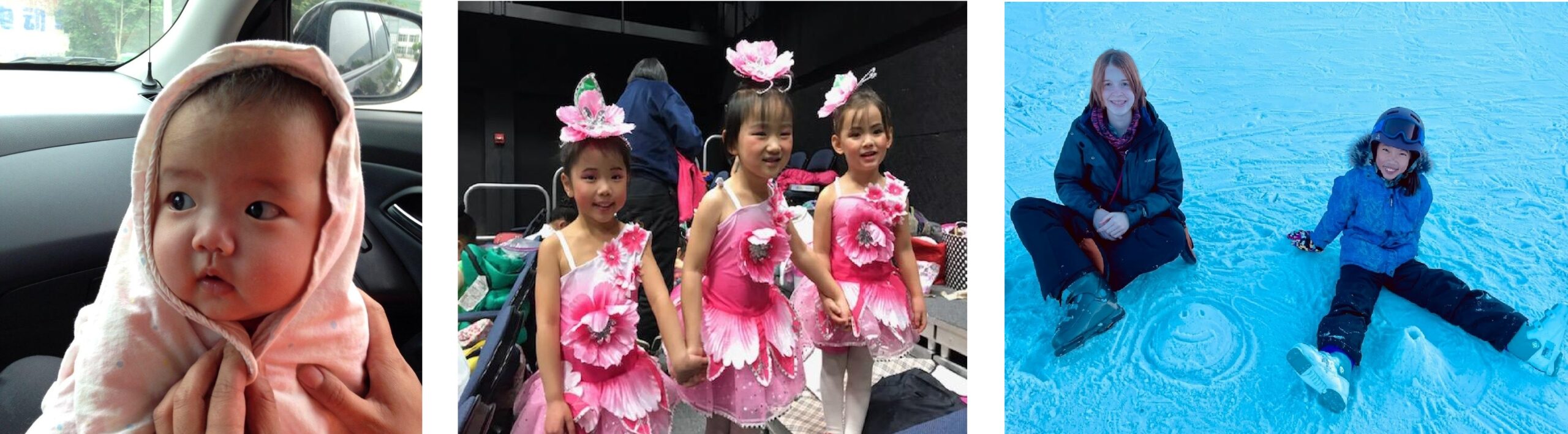
Figure 12 (Left): Sweet Ginger* as a baby.
Figure 13 (Middle): Ginger* (left) at Chinese dance.
Figure 14 (Right): The siblings having fun!
The completed family had their first meeting at a Hefei government building. Prior to the meeting, the Johnsons* had sent a photobook of family pictures to the orphanage, so Ginger* could get used to them. While the parents filled out paperwork, Ginger* was looking around, wide-eyed.
The family spent the time walking around the city and eating noodles. “The first day was snack-focused,” they shared with me. It was fitting that they dined on local noodles, renowned for being chewy and paired with pickled veggies and minced pork.
“Was there a language barrier?” I asked, “When you were speaking English to Ginger*?”
Apparently, her parents explained, it took only two weeks for their daughter to pick up English. Developmentally, children that age communicate more through signs than language. “It just clicked right away!” Before the language clicked though, Ginger* winced, she called a dog her “big brother.”
Now, due to immersion efforts by her parents, Ginger* can read and speak Mandarin, even though she admits her writing is “not very good.”
“I actually speak Chinese better than her now!” Vivian* tells me proudly while poking their younger sister. Ginger* rolls her eyes in response. In fact, Vivian* tells me, they are a level above in speaking and writing, something that annoys Ginger* to no end.
Like all the other adoptees I interviewed, Ginger* always knew that she was adopted. Her first memory, she recalled, was when she went to Lutheran Social Services with her dad. “I was on the swing, and my dad was pushing me. I felt like a big kid.” Across the room, Carl* smiled warmly at his daughter.
She had a largely normal childhood and was raised non-religious. Carl* and Angela* shared that they grew up in church-going households but now take their families during the holidays. “We’re not super devout,” Angela* shared. “Plus,” Ginger* teased, “church is boring.” The Johnsons* made an effort to celebrate Chinese holidays, most notably the Lunar New Year.
Similar to a majority of the female adoptees I interviewed, Ginger* was involved in Chinese dance. “Ginger* has been dancing since she was three or four. She had to stop for two years during the pandemic,” her mom shared. “I didn’t like that,” Ginger* pouted.
The family started their youngest in dancing from the recommendation of their adoption agency. “A big part of Lutheran Social Services is that the adoptive parents agree to immerse their children in their culture of origin. Carl* and I were very intentional to that degree in ultra-white Minnesota.” I nodded, thinking about Joshua, Robin*, and Rachel, who all expressed regret in not being involved in their heritage. It was wonderful that Carl* and Angela* were deliberate in involving their daughter in Chinese dance and the erhu.
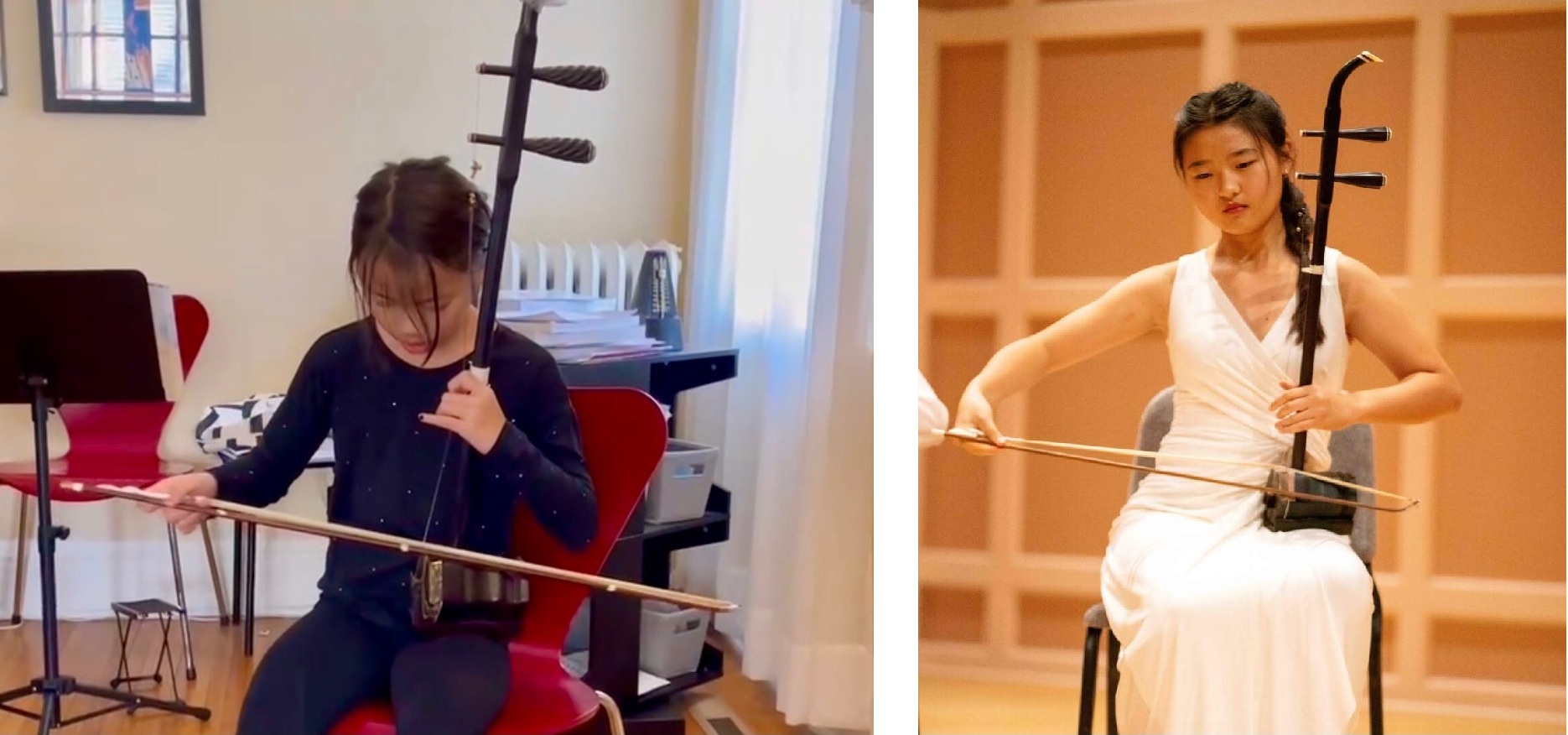
Figure 15 (Left): Ginger* playing the erhu.
Figure 16 (Right): The author performing the erhu years earlier (Credits to Jijun He).
Ginger* attended Twin Cities International, a Chinese immersion school, while in kindergarten. During her elementary years, she went to Eisenhower Chinese Immersion School in Hopkins. “Most teachers were Chinese,” she quipped. “There were a lot of Asian kids.”
Now, the talented youngster goes to the private St. Paul Academy. “It is less diverse, but they do offer Chinese language classes.”
“Did you ever have an identity crisis over a sense of belonging?” I was curious, as I had started feeling out of touch and isolated in middle school.
When she began at St. Paul Academy, Ginger* shared, she felt left out. “I sometimes wished my hair wasn’t super straight.” Her comment reminded me of my own struggle, where I used to loathe my straight dark hair which never seemed to hold a curl, and my coal-black eyes. In a school where few looked like me, I envied my peers.
Ginger* shared similar sentiments: “I realized that there wasn’t that much diversity. I prefer a more diverse environment – it feels more easy.” The sixth-grader mentioned that she feels more at ease having conversations and making friends with Asian peers. “Her first friends,” her mother interjected, “were Asian as well.”
At school, Ginger* noticed subtle ways where people treated her differently based on her physical appearance. When she entered schools, she would be picked for groups in the beginning, then would be ignored soon after. When a bully at Hopkins Elementary called her racial slurs, she told me that the school didn’t punish him. But now at St. Paul Academy, Ginger* feels comfortable.
When I asked her how she views her relationship with her country of origin, Ginger* told me that she has never returned to China since her adoption. “I’d like to go back to have fun and try yummy foods!”
The pre-teen tells me that she would potentially be interested in getting to know her biological parents. “It depends on who they are, what they think of me, and what I think of them. I talked with my parents about this before – I think I would like to meet them.” Her mom told me that the family officially began the search, but are pessimistic about the chances of success. “It’s a long shot,” Angela* shrugged.
“And, no matter what,” Ginger* added, “I’m still going to live with my family.”
“If you’re willing to share,” I asked cautiously, “what emotions emerge when you think about your birth family?”
“I feel confused. Like why, what was the reason they gave me up? Sometimes I just feel sad, or sympathetic – maybe they didn’t have a choice. Other times, I feel lonely. What if I had super awesome parents and siblings.” I nodded in understanding. The unknown must be such a heavy burden on young shoulders.
“I took an Ancestry test, but there was nothing new. We did a birth parent search through DNA testing, but I’m 100% Chinese.” Many Chinese acquaintances I know also received 100% Chinese DNA results. As a homogenous population in a landlocked region largely separated from other ethnic groups, the Han Chinese account for large segments of the world population. It would be near impossible to track two parents from a sea of over one billion.
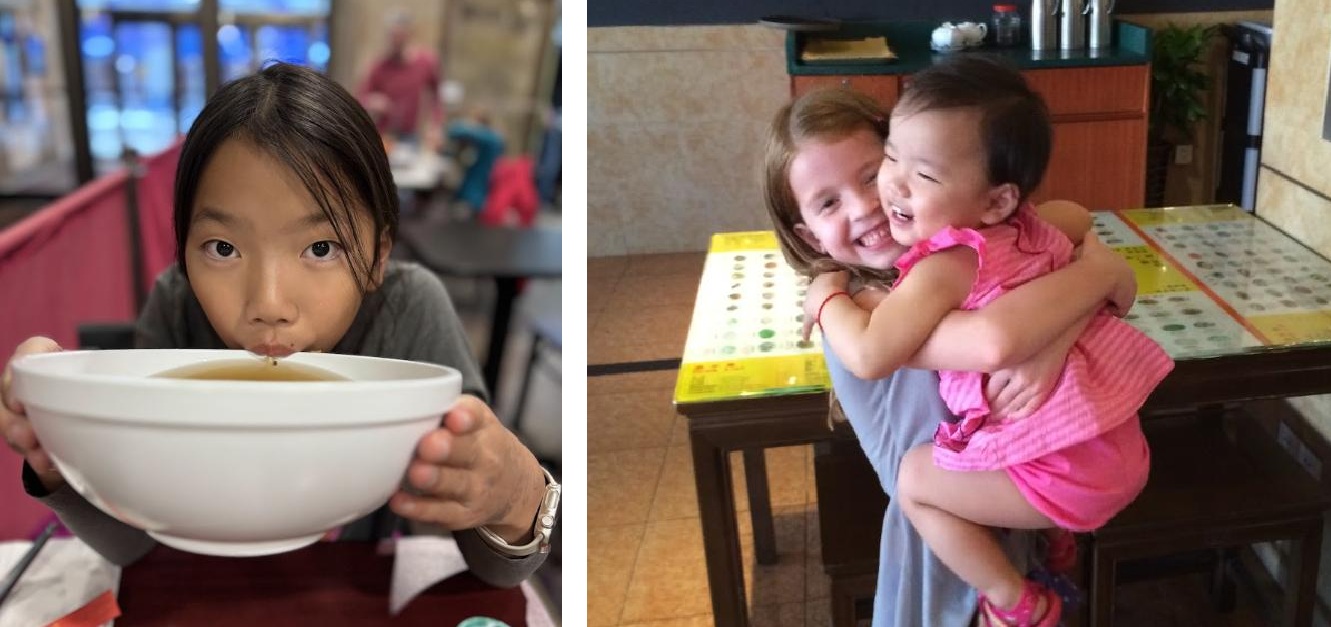
Figure 17 (Left): My favorite picture – Ginger* enjoying a nice meal.
Figure 18 (Right): Adorable moment between two siblings.
Despite the unique challenges the Johnson* family faces, Vivian* and Ginger* have a loving sibling bond. I asked Vivian* about their experiences as an older sibling to an adopted sister:
“We have a good relationship. There is a big age gap, but we just have normal squabbles.”
“I was six when Ginger* was adopted. I remember that we were in the office building. Ginger* came in with a dress and a heart sticker. I was very excited before the adoption, and had a countdown calendar and prepared English flashcards.”
“Did the fact that both of you came from different cultural backgrounds affect you?” I inquired.
“At that age, it wasn’t something I thought about. I never encountered it before, and I went to a mostly white school. After Ginger* was adopted, I got pretty involved in Chinese culture. I had a Chinese tutor.”
Vivian* admitted that they sometimes feel out of place in Chinese events. Even so, they think that Chinese culture is “very cool” and “very interesting in general.” Vivian has continued in Chinese tutoring, a key factor in them being better at Chinese than their Chinese sister.
At the time of the interview, Vivian* was a high school junior. They play the classical guitar and enjoy writing. The teenager is unsure about their future career path, but expressed interest in music, journalism, and math. “There are so many niche things,” Vivian* vocalized.
There were certain differences, Angela* shared, when the parents were raising their children. Carl* was the parent that was at home during their upbringing, and there were certain cultural factors that were intentionally pursued with Ginger* that weren’t present when raising their biological child.
Angela* voiced: “It was harder raising a child who isn’t white in Minnesota. We had to make more of an effort to be with people of color and Asian/Chinese people.”
“I like to think of myself as an anti-racist. Before, I was able to skate through life. Now, I learned about how to be more actively anti-racist and tune into it more.”
“What would you do differently in raising Ginger* if you could restart the adoption process?” I asked Angela*.
“We would spend a longer time in China when we were first there and push for more information on her birth family. The further in time you get from the initial adoption, the smaller the chances of getting information.”
“Any words of advice for other transracial families in the same boat?”
Carl* and Angela* had a few key messages: “Read a lot about Chinese culture in general, learn about the history of the adoption program and the One Child Policy, and find as many Chinese people as you can.”
During the bleak Christmas night, I felt very moved as the family lovingly embraced each other. It really seemed that some families may have been knit across cultures before time.
Ginger* has no idea what she wants to do in the future, but the content girl tells me that she is currently living her dream life.
“If you could speak to your younger self,” I asked Ginger*, “what would you say?”
“Being a kid is fun! If you think being an adult is fun, you are very wrong.”
As a Chinese adoptee, Ginger* was interested in adopting in the future. “I would most likely adopt an East Asian child,” she added.
“I want the world to know that I’m a good person,” she admits bashfully.
“Any final words of advice?” I asked.
“Learn Chinese!”
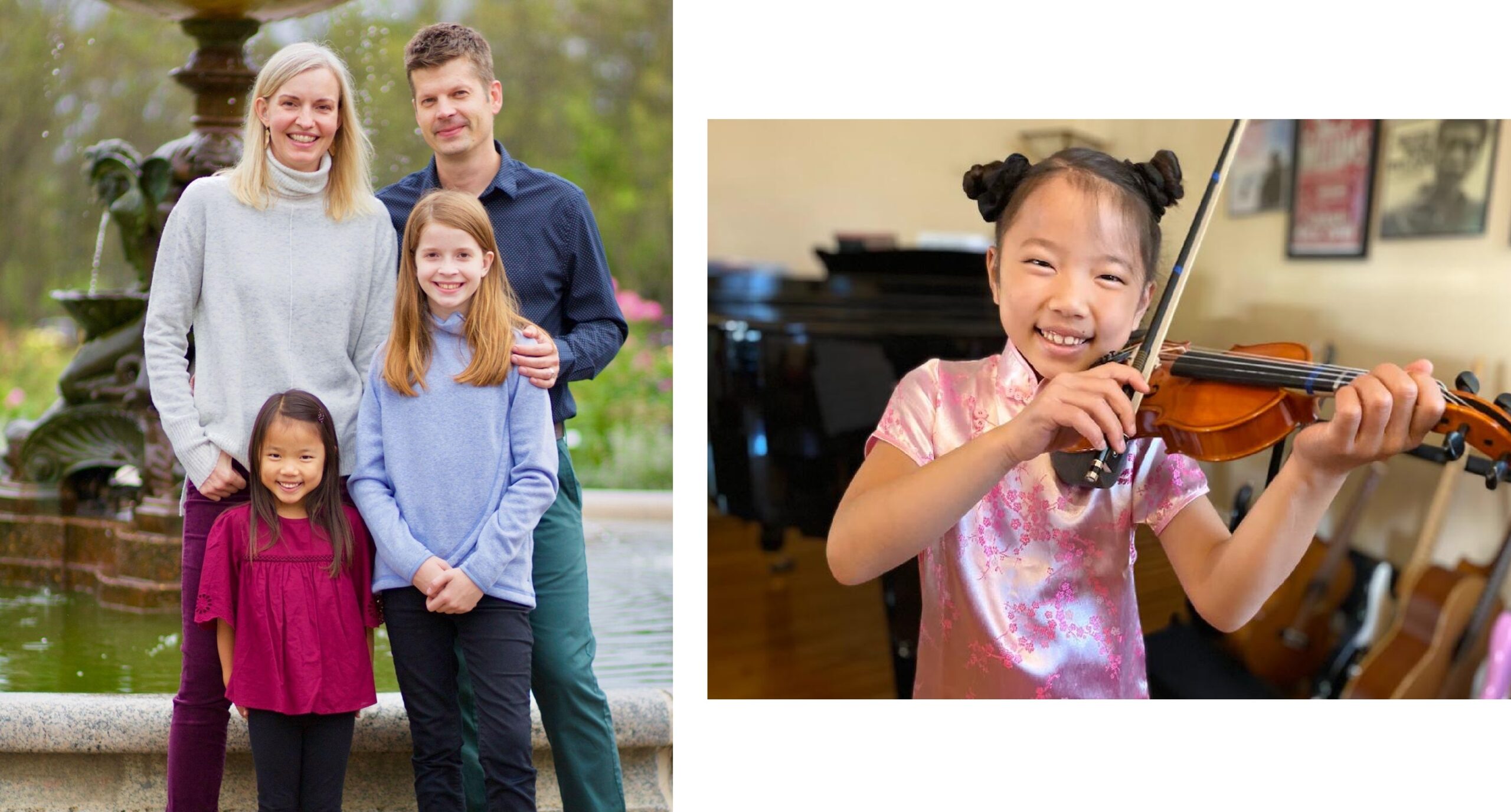
Figure 19 (Left): An outdoors family portrait. Ginger* is wearing a purple outfit.
Figure 20 (Right): Ginger* playing the violin in a traditional pink qipao.
Lauren*
Lauren* is a rising senior nursing student at the University of Northwestern – St. Paul. Like Ginger*, she was adopted from Anhui province. The college student doesn’t know anything about her birth parents, nor does she remember China before her adoption. “I wasn’t given any information when I was adopted.”
Lauren* was adopted through the CCAI (Cherish Children Adoption International) when she was one year old. At around 20 days old, the baby was dropped outside a food factory worker entrance door in the city. A factory employee found her and brought the child to the police station.
The first orphanage she was in was overcrowded, and the baby was transferred to a second location.
Continents away, her mother had always wanted to adopt since her teens. She and her husband had fostered children before having three biological sons. At that point, Lauren’s* eldest twin brothers were already ten years her senior. Even still, her mom wanted to adopt a child. Lauren’s* father was unsure, she laughed, but being married to her mom, he went through with the adoption process.
“There was no specific reason my parents chose China [to adopt from]. My mom originally wanted to adopt from India, but India had policies with potential adoptive parents with kids already. My mom wanted a girl and wanted to adopt from an Asian country, which was a lot easier for China.”
Lauren* had a moving story for how her parents knew that she was the ‘one:’
“After they had gotten the all clear that they were fit for adoption, my parents got an email from the agency that they had been placed and had a photo of the baby.”
“The night before, my mom shot up in her bed and shook my dad awake, saying that she had a dream. Before they received my picture, my mom described me exactly and my dad didn’t believe her.”
“My mom kept on saying, ‘she has hair, she has so much hair.’”
“The next day, my parents received an email with my picture, but my dad had to open the email at work since the computer at home wasn’t working. He was on the phone with my mom when he opened the email, and the line went silent. My mom was confused, when my dad goes, ‘She’s exactly how you described her.’”
Ever since she was brought home, Lauren* always knew that she was adopted. “I always grew up knowing, and not in a negative way. My mom went out of her way to find books with adopted children.”
She was enrolled at Yinghua Academy, a Twin Cities Chinese language immersion school. It was a good experience, although Lauren* looks back on it “a lot more fondly.”
“Looking back, I was happy. Attending at that time was a bit goofy. It was such a small community. We really had a great time getting to know everybody. The biggest thing was that my parents did it to immerse me in Chinese culture. I always had kid’s books and things that helped explain my culture. Immersion school was where I benefited the most through language and celebrations.”
The college student self-identified as Chinese and years later, Lauren* has still retained her Mandarin, self-rating at a “very conversational” level. “There was a point where it was a lot stronger, since I haven’t had the chance to consistently use it. I would rank it 5 or 6 out of ten.”
I was interested in learning about Lauren’s* childhood experience as an adoptee. “There was a moment during my childhood when I felt different from my peers. It only happened once, when I was four. I had a gymnastics teacher that was adopted, and he was on a big hunt to find his biological parents. It altered my view on adoption. I went home wanting to find my ‘real mom.’ I could tell that I looked different from my family members, but I grew out of it pretty quickly.”
“I think of myself as a pretty good blend between Chinese and American. Right now, I definitely feel more American. There isn’t a ton of Chinese culture in my day-to-day life.”
Lauren* also told me that she never experienced a “true” identity crisis. “It was never a big battle. It was more of how I want to represent and introduce myself.” My peer always felt comfortable in her race, largely because of her education in a Chinese immersion school. Lauren* never felt like she was being treated differently, as “half of the kids were Chinese, and all the teachers were from China or Taiwan.”
Lauren* attends a private Christian university that is predominantly white. As a nursing major, she feels welcomed.
In this environment, Lauren* told me that she never experienced explicit racism. “It was very subtle, and the worst was during COVID.” At this point, she was in a public high school where she was the minority. “Right before our high school shut down, when COVID was introduced in the U.S., I sneezed when my other Chinese friend and I were walking to class. People around us stepped away, which was unnecessary. I also got weird looks and snarky comments during COVID, but nothing outright.”
“When people ask me where I’m really from, I respond with a blank stare. I let them know how idiotic that sounds.”
Another interesting layer in Lauren’s* adoption narrative is her “weird irrational fear” of having an Asian partner. “I fear,” she laughs, “that if I end up with an Asian guy, we may be related.”
“The chances are slim, but they’re never zero.”
With a complicated history, Lauren* also holds a more nuanced view of her home country. “There was a time when there was resentment,” she told me over our phone call, “but now I look at it with a lot of appreciation. I can see it for what it is and remove myself from the situation. I have a lot of affection and gratitude – I have a really great life now.” She tells me that she wants to return to China in the future, and plans to study abroad in Taiwan. “I love food, especially Chinese food!”
“I’ve been to China twice. The first time, I went with Yinghua, since we had a sister school there. We visited Xi’an, Beijing, and Inner Mongolia. The second time was a heritage trip with the adoption agency. We went all over, including revisiting my orphanage.”
“I was a mess when revisiting. It was a very small orphanage in the middle of nowhere. We were there with a translator, and they told us not to tell the locals we knew Chinese. We were talking with the orphanage directors, and I asked a question in Chinese. It was very emotional, and I could speak to people who were there when I was a baby, speaking directly without a translator.”
Lauren’s* voice softened. “The orphanage was so small, they could afford a nanny for every baby. The day they came, my nanny was there, and I got to speak and reunite with her. It was a very special moment. Not many people came back to visit, and even fewer could speak Chinese. It was very moving for them that I was still connecting to the culture and language.”
Lauren paused when I asked her if she would ever search for her birth family. “I wouldn’t ever do that. For a long time, I had a lot of internal debates with myself. I came to a point that no matter the reason, no answer will be good enough for me mentally. I am okay mentally with not seeking the answers. We went back to my finding spot at the town and factory, since at one point, it was popular for adoptees to go back and make a poster with their information.”
“My mom asked me if I wanted to put my contact information on the poster, and I said no. We put up posters, and I wrote that I had a good life, was loved and cared for, and knew Chinese. Shopowners followed me into the restaurant and asked for contact information – it was a surreal feeling.”
“I don’t really want any answers, and I hope the posters can give me closure.”
“Speaking of closure, what would you tell your younger self if you had the chance?” I asked Lauren*. She paused in a moment of reflection.
“Trust the LORD. Everything will be okay.”
I asked Lauren*, a devout Christian, how she felt about the fact that she most likely wouldn’t be Christian if she remained in China:
“I’ve thought about it,” she responded. “Me being in the U.S. opened a lot of opportunities, including the freedom of religion. I would hope that even in China, I would have found the LORD. But realistically speaking, I doubt it.”
At this point in her life, Lauren* would like to adopt. “At this point,” she stated, “the idea of having biological children isn’t important to me.” As a Christian, she has religious motivations for adopting. She tells me:
“Christians are all adopted by the LORD, and I want to continue that. I am very grateful and privileged that I have family and parents. And adoption isn’t new in my family. My grandma and her siblings were adopted. My extended family has multiple adoptees. Adoption is very open in my family, and something I can see myself doing to serve the LORD, and give someone the chance I had.” Ideally, Lauren* prefers to adopt from China, but isn’t sure given the current restrictions against transnational adoptions.
As a nursing major, Lauren* dreams of becoming a nurse. She had always wanted to help people, even as a kid. Although there was a time in her life where she wanted to be an engineer, she believes her experiences played a role in her drive to serve those around her.
“In ten years, when I’m thirty, I would like to be established in my career and have a family. My biggest aspiration is to have a family and kids.”
“Any final words of advice?”
“Have an open mind. People aren’t always what they appear to be.”
Leslie* and the Keller* Family
When I met Leslie*, a Quantitative Economics major at St. Olaf College, we bonded over our shared aspirations of law school and love of music. We both played the piano, worked in food service, worked as teaching assistants, and dreaded the ever-restrictive law school cycles. At the time of the interview, Leslie* was twenty and studying for the LSAT. We joked about the horrors of preparing for the terrifying law school examination. “My dream law school is Yale,” Leslie* shared.
“You have to shoot for the stars! I got rejected from Yale, but somebody has to get in,” I smiled. A few weeks after our interview, I would receive an acceptance letter from Vanderbilt Law School. I had applied to forty-five schools during a six-month period.
Leslie* is a bright college student, model, dancer, and musician. She is also adopted from China’s Hunan province, known for its hot and spicy Xiang cuisine and being the home of 55 recognized minority groups (China Discovery). The girl was dropped off at an orphanage when she was six days old, with no information on her birth family. During that time, a nanny took her in and cared for her.
At the age of fourteen months, the baby girl would be adopted through the former Crossroads agency. “Do you remember that first meeting with your adopted parents?” I asked.
“I don’t, but I remember vicariously through photos. I was told about it a lot – I was very fussy and wouldn’t let a lot of people hold me. My older brother and my sister-in-law were there, and while I was crying, they did a lot of antics to keep me happy.”
Her first memory would be when she was three years old, when her family was adopting their dog.
Her parents, Katharine* and Mark*, would have much more cemented memories. “We have two biological children,” the parents shared. “But it was the same kind of feeling as having the boys – overwhelming love.” Katharine* smiled at her daughter. “As soon as I met her, it was that same feeling: love at first sight.”
Katharine* nostalgically remarked to me that she had wanted to adopt a little girl since high school. She would have no idea that the adoption would be from China.
“Time got away and years passed,” Mrs. Keller* breathed. “I was teaching child development at Mounds View, and one of my students told me that her mom adopted two daughters from China.” After the mother shared her story in class, they connected and Katharine* was shocked that adoption was still a possibility. “The mom was older than me. I thought I missed out!”
Although Katharine* always wanted to adopt, her life was busy with two biological boys and their busy lives, and adoption remained on the backburner. Katharine* originally thought that she was too old. Now, her desire to adopt a daughter reignited. “I just wanted to adopt a little girl and we’ll be done,” she shared. “I felt like that was what I was supposed to do. I feel like God has always told me that.”
Originally, Katharine* and Mark* considered adopting from the American foster care system. But the couple ultimately selected China because of Katharine’s desire for a daughter. They knew that there were plenty of girls available. In addition, Katharine* remarked, “I was always interested in Asian culture, even though I don’t know why exactly.”
While the couple waited to receive their files from their adoption agency, they read a lot of materials and talked to other adoptive parents. They were deliberate in incorporating adoption into conversations with their daughter. And, like every other adoptee so far, Leslie* had always known she was adopted. “It wasn’t so much as learned. It was my reality.”
At home, even though the girl had two older brothers, the siblings had a large age difference. “At the time of my adoption, my middle brother had gone to China with his girlfriend. Now, they are in their early forties. We have a pretty good relationship.”
When Katharine* and Mark* had their sons, they were young. Now, that two decades had passed and their sons had grown, the parents were more mature. “They were the guinea pigs,” Katherine* chuckled. And, now that the family had a new member, they faced a host of new challenges, including working through emotions and attachment issues and navigating an intercultural family.
“My siblings,” Leslie* measured, “were always accepting. They were in college when they had a sister, but my brothers never felt any resentment. They have always been very excited and encouraging, and they knew my mom always wanted to adopt.”
While her family members were accepting, Leslie* admitted she always felt an ‘I don’t look like the rest of my family’ air around strangers. “People would look surprised when we introduced ourselves.”
Leslie* attended the majority-white Minnetonka School District from second grade through high school, where she felt “a bit different” from her peers. Prior to that, Leslie* told me, she had attended a school in St. Paul with a large Hmong student body, which made it “a bit easier.”
Mark* and Katharine* introduced their daughter to Chinese culture through dance. Leslie* would dance in productions with the Twin Cities Chinese Dance Center (TCCTC), Phoenix Dance, and Chinese American Association of Minnesota Dance Center (CAAM). “They were all really great in their own ways.” The girl started when she was four, took a break around the age of 13, and returned years later.
Interestingly, when her parents placed the young girl in Chinese immersion, Leslie* had a trauma response. Hearing Mandarin gave the child a total meltdown. “I couldn’t handle it,” she expressed.
“My working theory is that being around Chinese kids reminded me of the orphanage.”
The family replaced immersion with a private tutor temporarily. The adoptee would be connected enough to her heritage and hear enough Mandarin through Chinese dance. As a college student, Leslie* would restart her Mandarin journey. “Now, I’m better at listening than speaking or writing, since I don’t talk much. I had more immersion than formal education. I’m at an intermediate or low intermediate.”
As Leslie* grew up, she became very interested in her Chinese identity. “She loved being Chinese,” her mom smiled. “It made her happy. When she was younger, she would be very happy and social when she saw another Asian child.”
Leslie* sees herself as a Chinese American, but “it changes depending on the context.” She always felt “very Chinese,” despite having an American nationality. “I see the world through an American lens, but I’m proud of being Chinese. I never felt a super strong allegiance to America, and it’s hard to tie myself to America, especially politics.”
In conjunction with her Chinese identity, Leslie* holds big issues with the Chinese government and disagrees with their policies. Despite complex feelings about the nation, she marvels at how old the Chinese culture is. “The people are very hardworking and genuine, and the culture is a mix of traditional and contemporary. It is very unique and misunderstood by the Western world.”
Growing up, there were moments when she felt like an outsider. “I don’t know if it’s as extreme as in other stories – I was never bullied or ostracized, even though there were times where I felt out of place. I’ve been the only Asian or person of color in the room, but it’s very natural in a white environment. St. Olaf is very white.” Similarly, Leslie* doubts she experienced a full-blown identity crisis. “I feel like I had a good taste of Chinese culture,” she remarked during our online meeting. “My parents were deliberate in making sure that I felt Chinese. Their decision to immerse helped me a lot.”
“Chinese adoptees are a relatively new phenomenon, as Korean adoptees came first. Subsequently, a lot of those adoptees feel no connection to culture.”
She experienced microaggressions, “but not from a negative place.” People nag her on classic stereotypes, and she gets approached by old guys with Chinese in-laws. “It’s harmless,” she told me.
Mark* and Katharine* jumped in and described a disheartening instance with a relative who called their daughter a “little China doll.” Katharine* chimed in: “One thing I didn’t realize until six to eight years ago was that when Leslie* was little, even with racist people, she was protected. She had a white family all around her that insulated her. When she got older and wasn’t with family, it was painful to realize that it was the protection she had from her proximity to white family members.”
With an interracial family, Mark* tells me he fears for the state of the world with the present modern political and global hostility. “Unfortunately,” the man sighed, “there’s a limited amount of what we can do. The hope is that some of it will end. I am terribly worried about how much it will progress. I have a helpless feeling.”
“We’ve had somber dinner table discussions,” his daughter interjected. “It’s a safe environment for me, and our broader family is very willing to listen to my perspectives. I know several other adoptees with parents who don’t pay attention to policies, or are actively voting for the current administration. I feel very lucky.” She added: “Many think that Asians are a model minority, and that our proximity to whiteness exempts us from crossfire. That’s not true.”
Like some other adoptees I interviewed, Leslie* brought up the ‘nature vs. nurture’ paradigm: “Some adoptive parents feel possessive, and they don’t want their kids to feel connected to China. They might think, ‘they’re American now,’ and it’s best to stick to just one side.”
Interestingly, she also added: “Being adopted has made me feel like I have something to prove. I am working hard, trying to make myself proud.”
I nodded, relating to her every word. As the only daughter in my immigrant family, I understood the invisible weight that we often willingly place on our shoulders.
“I have always been an overachiever,” Leslie* reflected. “I’m not sure if that’s from being adopted. Maybe it’s cultural expectations. There are a lot of factors. That’s why I believe that representation matters, so that others like me can achieve big things.”
Leslie* and her family members are also Christian. When I asked the young woman how she felt that she most likely wouldn’t have been Christian in China, she halted. “I never thought that,” she mused. “I’ve always thought more about the opportunity cost of not being in China, since I’m not as immersed.”
Katharine* added: “When Leslie* was about five, she told me ‘I don’t know if I’ll be Christian. If I was in China, I wouldn’t be.’ I thought about it a lot when she was younger.”
Furthermore, Leslie* admits to me that she’s not sure if she plans on tracking down her birth family. “I get asked that a lot, but from a pragmatic point of view, it’s very unlikely to ever be successful. There is secrecy and an illegitimacy of the system. It’s likely that I’m not from the place where the orphanage was. There is a baby trade, and I’m not sure what I would do if that were the case. It would turn my life upside down.”
“I’m fine with leaving the chapter closed for now, although I would like to know my medical history and give my biological parents some peace of mind. I’m not sure though – maybe they don’t care? I need to explore the costs and benefits, not that I’m apathetic.”
Even despite her torn feelings on tracking down her biological family, Leslie* still wants to go back to China to eat the local food, especially spicy dishes. She plans on studying abroad in Taiwan. In fact, Leslie* previously went to China to visit a nanny who took care of her. “She was a parental figure to me. When I went to the orphanage, it felt familiar, even though there weren’t any vivid memories.”
I asked Mark* and Katharine* what challenges they faced in adopting and raising a child from another culture. “The transition was difficult for us,” Katherine* noted. “But I liked it! I got to know something I didn’t know much about. It was very interesting to learn about and meet the culture.”
Mark* had a similar attitude with the challenges of adapting to a different culture. “The differences were nice to see and learn. I enjoyed learning so many things about the culture. Chinese groups we have been in contact with are very welcoming, and we all got to participate in many things.”
Mark* looked at his daughter, telling me, “Leslie* being a part of my life has been phenomenal. It opened up a lot of areas. She brings a lot of joy. My daughter introduced me to many experiences I never would have thought possible. I danced with Leslie* at the Nutcracker, which was pretty special.”
Leslie* jutted in: “A lot of other Chinese parents at dance would refer to me, saying “‘That baby is so lucky!’”
“In addition,” her dad smiled, “I have a spicy food buddy. There are great opportunities! I never could have dreamed about that before. It’s been wonderful.”
“Okay,” I smiled. “What advice would you give to others in your position?”
Leslie* answered me first. “It’s okay not to have things figured out. It’s fine to ask for help, and it’s okay to be different. You don’t need to prove that you belong.”
Katharine* told me her advice: “Not to worry about the future. Take each day as it comes.” Mark* joked, “I never planned anything in my life! When Katharine* suggested adopting, I was worried about the costs and being too old. What I realized now was that I shouldn’t have worried. It was wonderful to have that experience. I have been so blessed and so thankful. Leslie* brought so much joy I would never have experienced.”
Mark* continued: “If I look at all my children, Leslie* is our favorite daughter [granted, she is their only daughter]. I have a hard time grasping that there is any difference between biological and adoptive children. It is hard for me to ever think of that – they are just our children, the greatest joy in our lives.”
“Each one is so dramatically different, yet the same. Each one brings a different aspect of joy, but all bring some of the same joys. Kids are amazing!”
“Last question! What would you do differently, if you had the chance to redo everything over again?”
“We would never let her know that seaweed existed,” Mark* joked. “She loves seaweed, but I can’t stand the smell or taste of it.”
“Everyday we learn something new. All you can do is to try your best in each case. Maybe attempt a bit harder to not embarrass her? Or try to embarrass her more?”
“I think they did great,” Leslie* beamed.
Sara*
Sara* is a gifted dancer at the Shen Pei Arts Alliance, often performing in starring roles during their productions. Currently, she works as a Product Engineer at 3M, a Fortune 100 global conglomerate that manufactures everything from adhesives to personal protection equipment and electronic circuits. They are best known for their Scotch Tape and Post-it Note lines. Another interesting fact about Sara* is that she was adopted from Changsha, Hunan, a city known for its spicy dishes and being the birthplace of Mao Zedong, the founding father of the People’s Republic of China (Top Changsha Attractions).
During an unassuming day on May 24, 1999, a tiny baby girl was found at the No. 91 Gate of Li Zi Yuan Road in Shaoyang City. Like most other adoptees, Sara* doesn’t know her real birthday, but was estimated to be 1 month old.
The child would be given over to the Shaoyang Children’s Welfare Institute, where she would be cared for until her adoption at ten months of age. Sara* was adopted by a single Caucasian mother who taught English as a Second Language (ESL) and English Language Learner (ELL) courses. “She had a lot of students with Asian backgrounds,” Sara* wrote to me.
In a fascinating twist, Sara* would learn an interesting story: years prior, her mother and grandfather saw a news segment about Chinese girls being abandoned. After watching the story, Sara’s* grandfather commented to her mother that she should go adopt one of the girls. The prediction would be pretty accurate, as her mom would adopt both of her daughters from China.
The girls would be raised Presbyterian in a “generally diverse community” in Minnesota. Her first memory, Sara* says, was getting ready for her sister to come home from China. Her sister is three years younger than Sara*. “I was too young when I was adopted to remember anything before that,” she wrote.
My interviewee also doesn’t remember when she first learned that she was adopted. “I don’t think my family had to tell me,” she said, “as it was pretty obvious.”
Growing up, the family of three would decorate for Chinese New Year and share a meal. The adoptees’ mom enrolled them early in language classes and Chinese dance. Being in the Chinese dance community brought plenty of opportunities to eat traditional food and celebrate holidays. The language classes would be more difficult. While the sisters would take Mandarin classes once a week as children, Sara* stopped fairly young because she didn’t enjoy the classes.
“I didn’t retain any of the language beyond basic numbers and colors.”
Even so, being so involved in dance has indirectly exposed her, and she can comprehend basic dance terms in Mandarin.
When asked, Sara* admits that she feels some guilt when others expect her to speak Chinese because of how she looks. “I wish I knew how to speak Chinese because I feel a sense of obligation to represent Chinese-Americans in America, and it’s more difficult to do so when I don’t speak the language … There have been several times when people speak Chinese to me and I don’t understand. That happens pretty frequently when I’m around any Chinese people who don’t know me.”
Now, she occasionally goes through Duolingo, but attempts to learn the language haven’t been successful. She writes, “I quickly lose motivation after a few weeks at most because it’s not practical in my everyday life.”
“What things did your parents do that you appreciated?” I asked.
Out of everything her mother did to immerse Sara* into Chinese culture, the one lasting and most successful decision was enrolling her at the Chinese American Association of Minnesota Chinese Dance Theatre (CAAM CDT). At that time, her mother was a part of online groups for parents of adopted Chinese kids. After hearing about the benefits of Chinese dance, she decided to enroll her toddler into the activity. Sara* appreciates her mother’s decision, saying: “It’s something I love to do, it connects me to my Chinese heritage, and it’s good physical activity.” While she took a break during college, the young adult picked it up once she returned. Now, Sara* has been dancing for twenty years.
I started dancing with CAAM when I was 3 years old. I am almost 27 now. I graduated from CAAM when I was 18 and left Minnesota to go to college. I came back for a couple summers to perform with CAAM and continue dancing. When I moved to Colorado when I was 22, I stopped dancing completely. I just started back up again with Shen Pei last year when I was 25, almost 26. Chinese dance is always something I’ve loved to do, and I think I’m quite good at it. It’s great physical activity, which I appreciate more as I’m getting older, and it’s beautiful. It’s also always a great community to be around.
While her school was not the most diverse, there were other Asians, and Sara* remembered there being another Chinese adoptee at her elementary school. There was no shortage of Chinese adoptee friends, either from Chinese dance or through online adoption groups. The adoptee has lived in big cities her whole life, and never felt ostracized. “I tend to forget that I look any different than anyone around me. So when people would comment on my appearance, it would take me by surprise,” she noted. Nevertheless, that didn’t deter the presence of occasional microaggressions. She writes:
I’ve had people bow to me as a greeting, pull their eyes back to mimic my eye-shape, comment on my appearance as a stranger. For a long time during college when I was taking ride-shares frequently, male ride-share drivers would always comment on my race, then talk about how much they love Chinese food or even food originating from different Asian countries.
She experienced a difficult crisis over belonging. As a Chinese person raised in a white-American household that doesn’t speak Chinese and isn’t very familiar with the culture, she believes that Chinese Americans see her as different. “It’s difficult to know who you are and where you belong when everyone sees you as different. So, unless I’m with a community of Chinese adoptees, I’ve learned to feel as comfortable as I can being seen as different.”
While ethnically Chinese, Sara* considers herself “objectively American.” Her nationality and culture are American, with “sprinkles of Chinese-American identity” within her life. Sara remarks, “I would not consider really any part of myself just ‘Chinese’ except for my ethnicity since I have little-to-no experience living in China.”
Even though Sara* never desired to look non-Chinese, she often wished her background were less complicated. “People often take pity on me when they find out I was adopted, which feels invalidating,” she tells me. “Pitying adoptees focuses on what’s ‘missing’ in their life and ignores the resilience and positive parts of life.”
During Sara’s* struggles over belonging and identity, her mother and sister weren’t able to adequately help her. Today, the adoptee doesn’t consider herself close with her mom, telling me that “we’re a little distant because we’re both healing from past trauma.” Her sister is also healing, and the siblings currently aren’t in close contact.
When asked about what she wished her mother did differently, Sara* reflected, “I wish my mother understood and had a handle on her own trauma before raising children with inherent trauma from being adopted … I reflect a lot on my mother’s choices and how I would choose differently while raising a child. I try to be understanding and just take those reflections as learning experiences for myself to be a better parent when the time comes.”
Regarding searching for her birth parents, my interviewee was understandably uninterested. She knows nothing about her biological parents and feels indifferent. “To me, they are strangers,” she writes, describing the process as “a lot of effort for minimal reward.” Other adoptees I interviewed shared similar sentiments – what are the chances of finding your biological parents after decades in a nation of over 2 billion? What are the chances that they are even interested or alive?
The young woman doesn’t have a relationship with China and views the nation as “just another country that I once was located in.” But in spite of her apathy in searching for answers, Sara* would still like to visit her country of birth. She hasn’t been back since her adoption and is interested in learning more about Chinese culture. “The best way to do that,” she tells me, “would be to visit China.”
Today, Sara* makes an effort to celebrate with the Chinese dance community. She is happy with her current job and enjoys opportunities to dance. Sara* loves her pets and is passionate about adopting rescue animals.
“If you could speak to your younger self, what would you say?” I queried.
“I would tell my younger self to give myself more grace,” my interviewee reflected. “I’m constantly comparing myself to others and putting myself down. I’d be much more at peace if I could just give myself some slack sometimes.”
If she could redo life over again, Sara* joked that she would start therapy earlier. Also, she has made the choice not to adopt in the future, stressing to me: “I don’t think I’ll ever heal from the trauma I went through, so I don’t want to exacerbate a child’s inevitable trauma from being adopted with my own trauma.” In spite of the warnings, Sara* stresses that it is not her intent to sound ungrateful, and that she is very grateful for her life but very aware of the difficulties she faced throughout her life.
And her message to prospective adoptive parents of transracial children?
Adoption is inherently a traumatic event for the child. Transnational, specifically transracial, adoption is difficult because the child doesn’t automatically have someone that looks like themselves to look up to; an absence of this “genetic mirror” leads to developmental impacts for the child. Therefore, it’s so important that the adoptive family takes into account the trauma of loss and grief that an adoptee will have, while also taking into account the cultural and racial factors that will impact the child’s life.
Sara* closes our interview, telling me how she has progressively felt more connected to her heritage. Today, she is willing to learn and “more comfortable being uncomfortable” as she immerses herself in her past. She has come a long way, from a tiny baby girl found by a gate to a talented dancer and professional working at a global conglomerate. And even with the trauma she has carried on her shoulders, Sara* soldiers on, with the arms of her community (and her beloved pets) embracing her.
And I have no doubt that she will go farther still.
Hannah Ferber
Linkedin: Hannah Ferber | LinkedIn
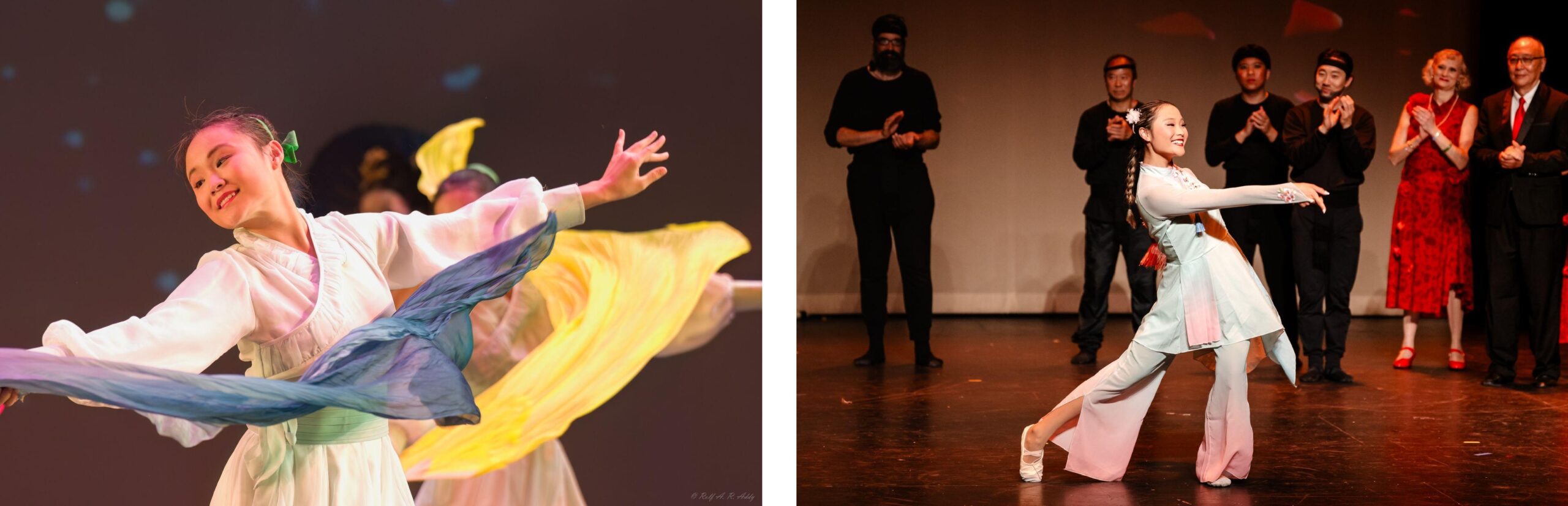
Figure 21: Hannah Ferber dancing in a flowy gown (Credits to Rolf A.R. Addy).
Figure 22: Hannah smiles radiantly after her first solo final bow. She plays a flower girl in the 2026 Shanghailanders production (Credits to Jijun He).
Hannah Ferber is a talented dancer at the Shen Pei Arts Alliance. A rising senior at Orono High School, Hannah is passionate about debate, mock trial, and her faith. In the Debate Team and Mock Trial, Hannah enjoys practicing how to defend different topics and the thrill of sitting in a courtroom and simulating a real trial. During the summer, she currently works as a lifeguard at an outdoor pool, no easy feat during the blistering Minnesota summertime heat.
In spite of her age, Ms. Ferber is already looking forward to becoming a lawyer. She writes:
I’ve always had a passion for justice and the sense of right and wrong. I also have a strong desire to help people, and I believe being a lawyer will give me more opportunities to help people.
Hannah often stars alongside her mom, Donna Ferber, in productions put on by the Arts Alliance. Notably, the pair danced together this year in Shanghailanders, which depicts the story of a native Chinese girl, Rose, who falls in love with a tortured Jewish refugee during the Second World War.
Hannah soulfully tells stories through her graceful dancing, of which her identity as an adoptee is a key element.
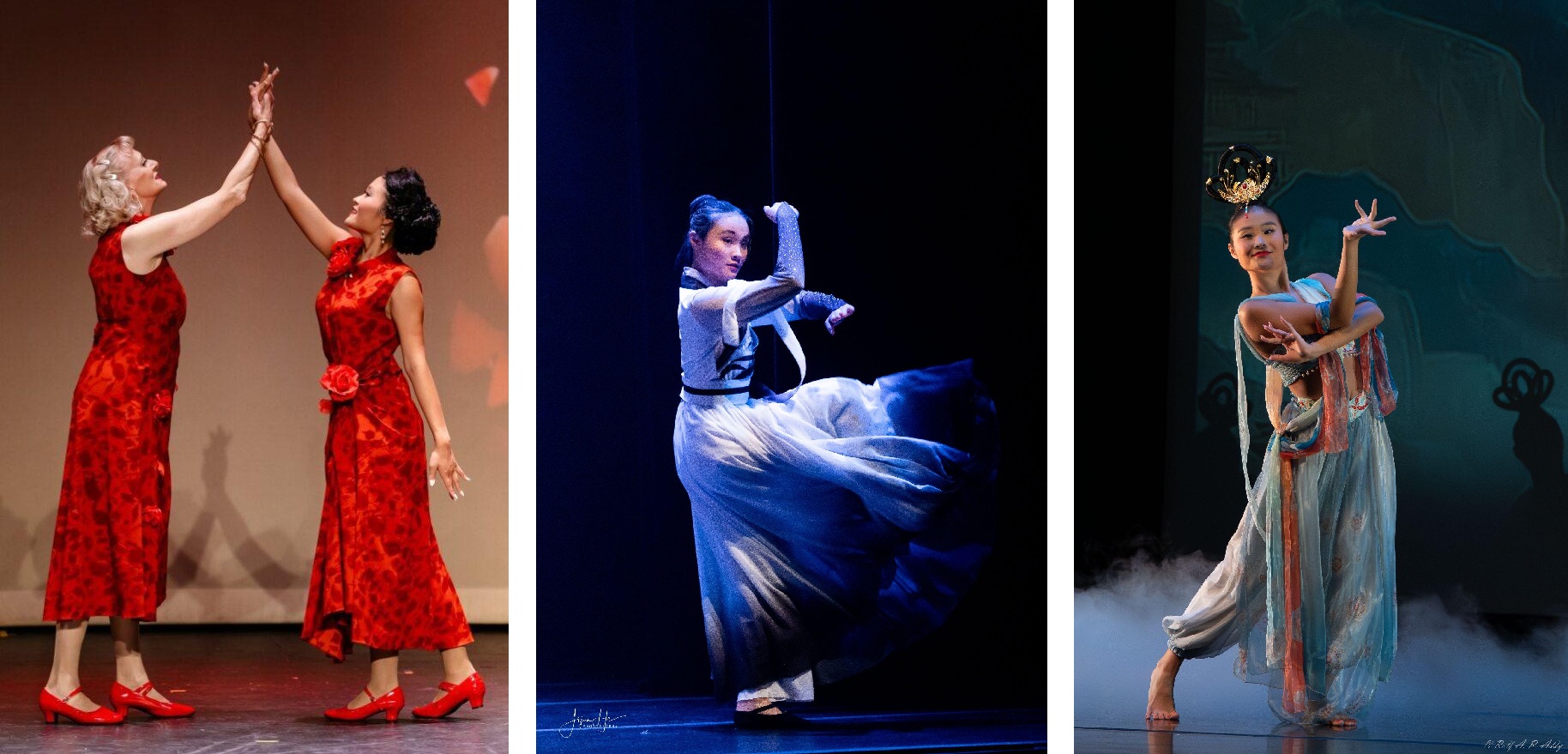
Figure 23 (Left): Hannah dances with her mom Donna Ferber to “Rose, Rose, I Love You” (Credits to Jijun He).
Figure 24 (Middle): Dancing to “Chinese Ink Painting” at the “Ablaze with Color” production (Credits to Jijun He).
Figure 25 (Right): Hannah dances a rhythm adorned with traditional attire (Credits to Rolf A.R. Addy).
Hannah Ferber was discovered as a one-day-old newborn near the gates of a hospital in Fengxin County, Jiangxi province, a scenic area known for its kiwi and rice production (Fengxin County). The baby was given to the Fengxin Social Welfare Institute (SWI), and would be adopted when she was 13 months old through the Crossroads adoption agency (now known as Evolve).
When I asked Hannah why she may have been abandoned, the high schooler provided a thought-provoking response:
My family has inferred the circumstance was due to the one-child policy during the time I was born, but after some thinking and learning in school, I’ve found out that I actually could have been given up because I was a girl, and in China, it’s more important to have a son to carry the family name and take care of the parents when they get older. This saddened me greatly. I was living in this fantasy that my parents loved me, and didn’t want to give me up, but after learning this, it made me critical that maybe my parents didn’t want me, and wanted a boy instead.
When reflecting on her birth family, emotions of sadness, anger, and abandonment arise. “I love my adopted family,” she maintains adamantly, “but I often think of what my life would be like if I hadn’t been adopted.” Sometime in the future, Hannah says, she would like to search for her biological parents “and know the true reason of why they decided to leave me.”
Hannah was adopted by two Minnesotans of European descent and raised Lutheran in the Lutheran Church—Missouri Synod tradition. Her parents were unable to have biological children, and they had always been interested in international adoptions. The adoption process was complicated and took three years. “There was a lot of paperwork,” Hannah added. Her parents were matched with her based on their educational degrees and caregiver observations of the young child.
Another major factor for adoption was her parents’ faith. As Christians, Hannah wrote, “they felt that God wanted people to advocate for orphans and open their homes. The Bible talks about helping people and us being adopted into God’s family.” She reflects on that positively, and is happy for the opportunity to practice Christianity freely in the United States: “I believe that I am very blessed to have learned Christian teachings, where[as] in China, that is greatly restricted.”
Growing up, Hannah remembers “doing normal little kid stuff,” such as going to the playground and preschool. Like every other adoptee I interviewed, Ms. Ferber always knew that she was adopted. While she doesn’t remember when exactly her parents told her, it was never a mystery. “I knew I looked different from my parents,” she commented. “They couldn’t really cover that up.”
Hannah Ferber also has three younger siblings, all of them adopted. Her 17-year old sister is adopted from Ethiopia, and her two youngest sisters, aged 13, are also adopted from China.
Her environment wasn’t the most diverse until the Ferber family moved to Brooklyn Park when Hannah was a second-grader. “The school I go to is mostly white, and there’s maybe three total Asian kids in the entire school. However, the year I went to Park Center, it was incredibly diverse, and there were so many people of so many ethnicities that I didn’t feel like I stuck out. I don’t really have friends that are Chinese adoptees, unless you count the ones I know from dance.”
This led Hannah to having a crisis of identity. “I’ve always seen and known myself as different from everyone else based on my physical appearance,” she stated. “When I’m in more diverse places, I see myself blending in more. However, if I’m at my mostly white school, I feel like a bright red fish in a mostly gray fish pond.”
A bright red fish in a mostly gray fish pond. That is a surprisingly accurate description of being raised as a transracial adoptee in a homogenous culture. Even though you belong, you inadvertently stand out.
Hannah explains her experiences with having an identity crisis over belonging: “It’s hard sometimes to be in a place where you don’t look the same as everyone else. And then go to a place where you look like everyone else, but you can’t understand them. I used to think that I didn’t belong anywhere, because at school I felt too Chinese, and at Chinese dance, I felt too American.”
Hannah’s experience with not fully belonging in both cultures is something many second-generation immigrants and transracial adoptees struggle with. I’ve felt that myself, as someone raised with Chinese traditions in the United States. I look Chinese, but I feel American as well. When visiting relatives, people comment about my American mannerisms, the way I smile, my softer accent. And even in my home country, I feel left out in conversations about popular culture, food, and Midwestern traditions. In fact, as a Minnesotan, I had my first casserole when I was twenty! I often use a banana as an analogy to describe this phenomenon: yellow (Asian) on the outside and white (American) on the inside.
In this blur of identities, Hannah admits that she sometimes wished that her background was easier to explain. She writes: “There’s been times where I’ve had to explain to my friends that I’m adopted, because they saw my parents, who didn’t look like me. This made me feel awkward because I don’t always like to talk about my adoption story, and sometimes after telling people I’m adopted, I get a lot of questions about what it was like. One person even told me that they wish they were adopted after I told them that I was, which I found insensitive.”
Although the adoptee doesn’t remember specific incidents involving racism or micro-aggressions, she feels uncomfortable when others ask her probing questions, like “where are you really from?” Hannah tries to remain honest while maintaining a healthy boundary.
The high schooler also confessed that she gets embarrassed when others speak Mandarin to her. Even though she has a grasp of the language, Hannah feels that she should be able to excel at it because of how she looks and her Chinese ethnicity. Many times, adults will speak to her in Chinese. While she sometimes understands enough to “get the gist of it,” sometimes she needs them to repeat the statement in English. “It’s embarrassing,” she tells me.
Despite the challenges, Hannah took Mandarin language classes for three years during middle school and high school. Her comprehension is improving, and currently, Hannah is at level four (out of five total levels). She self-rates her fluency at 6/10. Recently, she even took a fluency test to determine if she could be considered bilingual!
As a Chinese adoptee heavily involved in her culture, Hannah views herself as both Chinese and American. She dedicates much of her busy schedule to dancing and learning Mandarin, but remains an active member of her local community and stays caught up in the ever-changing chaos of American politics. “I think both the American and Chinese identities blur evenly for me,” she concluded.
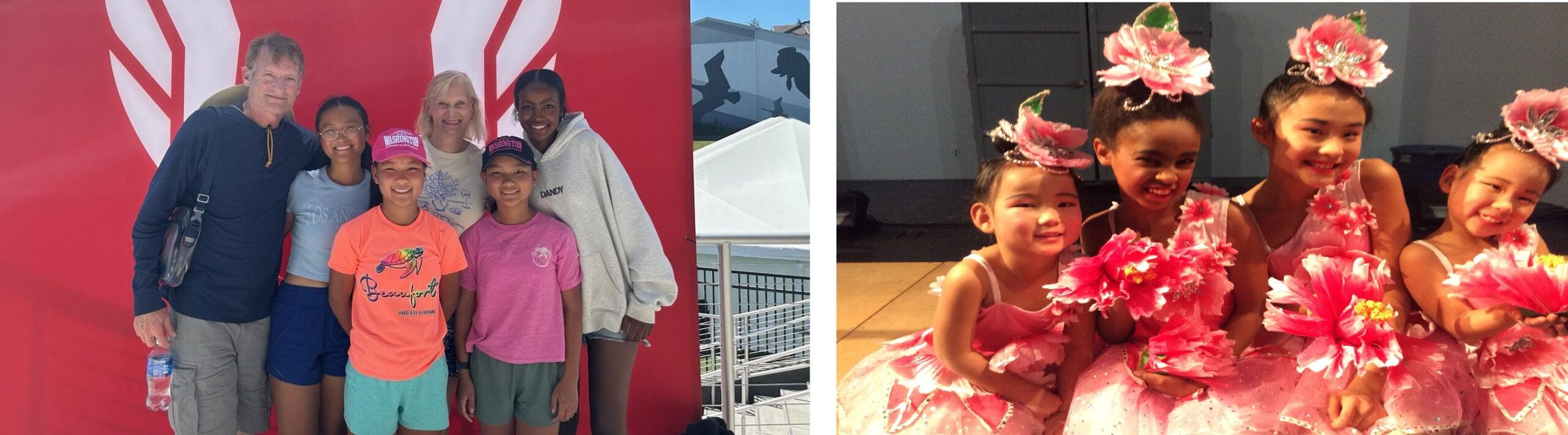
Figure 26 (left): The Ferber family. Hannah is second from the left.
Figure 27 (right): Hannah (second from the right) and her three younger sisters at dance!
In addition to language, Hannah’s parents were also very deliberate in immersing their eldest daughter in her birth culture. The Ferber family attended Asian festivals, ate Chinese food, and celebrated Chinese New Year alongside celebrating traditional American holidays. “I remember going to the Festival of Nations when I was younger and really enjoying it. I also remember getting signed up for Chinese language lessons when I was really young and getting little learning books,” Hannah wrote. She also is grateful for the opportunities to celebrate Chinese holidays, telling me, “I love Chinese holidays, I love the culture and the food. It makes me feel more connected to where I came from.”
Hannah tells me that she has a good relationship with her parents and appreciates their deliberate choice to immerse her in Chinese culture, especially through dancing.
I do Chinese dance and I absolutely love it! I love learning about Chinese culture, the pretty costumes, practicing speaking Chinese, and expressing emotion through dance … I appreciated that my mom enrolled me in Chinese dance, which has really helped me connect to Chinese culture. I also appreciated their encouragement to learn Chinese, which has helped me understand my dance classes where they primarily speak Chinese … I have been doing Chinese dance for almost 15 years. My mom got me involved after we went to see a CAAM CDT performance. Chinese dance has been a mixed experience for me. I really enjoy learning more about my culture and expressing emotion through dance; however, sometimes I felt too American when I could not understand Chinese. The rigorous teaching style of Chinese dance was also different. Previously, I had been used to encouragement and praise; however, Chinese dance teachers do not give praise regularly, and the teaching atmosphere is different.
The young dancer has a plethora of nostalgic memories, such as dancing with friends at Nicollet Plaza, learning Kung Fu dances (where she couldn’t stop laughing in serious situations), and starting her journey with ballroom partner dancing.
Hannah also tells me that she would like to visit China someday. Ms. Ferber hasn’t returned since her adoption, and she is excited to come full circle and see where she was born and all the hotels her parents stayed in. When I subsequently asked Hannah how she views China, she paused:
I’ve never thought of how I view my relationship with China. I view it as part of my heritage, and part of my ethnicity, but I feel very privileged to be living in the United States. In China, a lot of things are limited, and I don’t have as much freedom to express myself and demonstrate my religion. In the United States, I have basic human rights and freedom of speech, which I will forever be grateful for.
As Hannah prepares for college, she stands at the crossroads of her life. Hannah enjoys participating in Youth in Government and Mock Trial, and hopes to enter law and politics. As an incoming law student myself who majored in political science and works in political campaigns, I selfishly hope that Hannah becomes a lawyer and politician. With most Asian-Americans choosing careers in STEM, our community is in desperate need of future lawyers and community leaders!
“If I could speak to my younger self, I would probably tell her to embrace her personality and the culture she is so privileged to be a part of.”
As she reflected, Ms. Ferber observed that throughout her life, she’s become more comfortable with her Chinese-American identity. “I’ve learned to embrace it more and not be ashamed of the Chinese traditions that are different from American culture,” she tells me.
“Any final words of advice for adoptive parents and transnational adoptees?” I asked.
“Embrace the culture that the adopted child came from. Remaining connected to cultural traditions has really shaped who I am today and who I am as a Chinese-American person.”
I am excited to see this future Congresswoman and lawyer make an indent in our nation’s history!
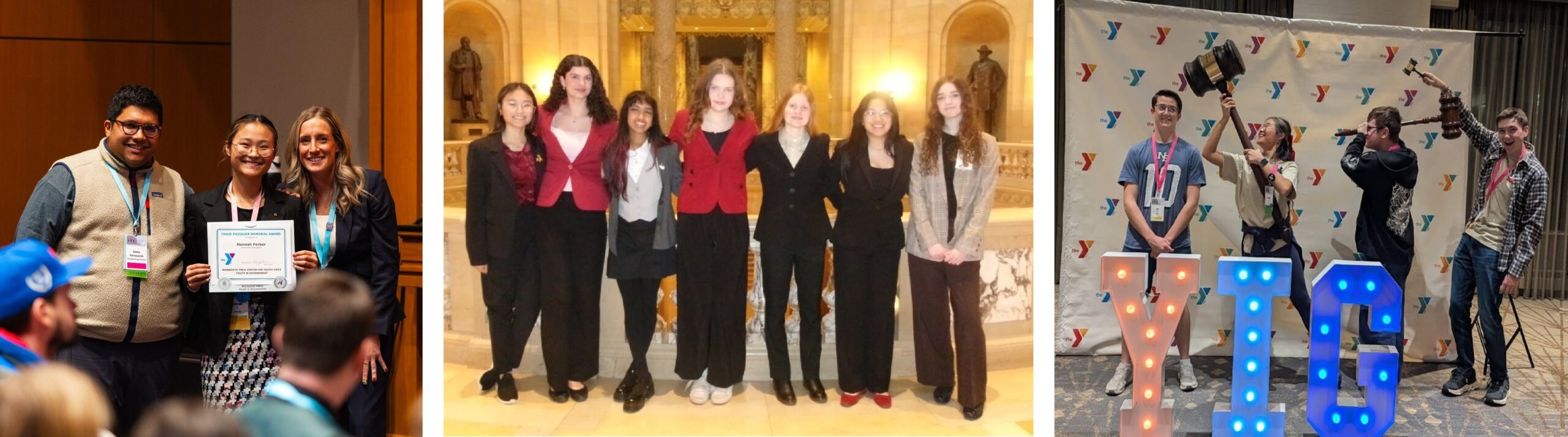
Figure 28 (left): Hannah Ferber (middle) being awarded the Youth in Government (YIG) Chase Passauer Memorial Award.
Figure 29 (middle): Hannah (leftmost) and her YIG friends at the State Capitol Rotunda.
Figure 30 (right): The YIG team during their evening activities. Hannah wields the gavel.
Additional Resources
- Follow this ongoing Chinese adoptees series on China Insight!
- You can read more about me in my memoir: The Phoenix and the Eagle, Growing up in America – China Insight
- Author Linktree: Jenny Liang Official: Instagram | Linktree
- Author Google Scholar:
Sources
- https://www.thechinajourney.com/jiangsu-travel-guide/
- Hunan Tourist Attractions, 12 Best Things to Do in Hunan, 2026
- 10 Things to Do in Changsha, Top Changsha Attractions
- Fengxin County(a county under the jurisdiction of Yichun City, Jiangxi Province)_Baiduwiki
Publisher’s Disclaimer: The opinions expressed in this article are solely the views of the author and do not necessarily reflect the opinions and beliefs of China Insight. The information presented is provided for general informational purposes only. While every effort has been made to ensure the accuracy and reliability of the content, the publisher claims no responsibility in the conclusions set forth by the author, who can be reached at [email protected].