
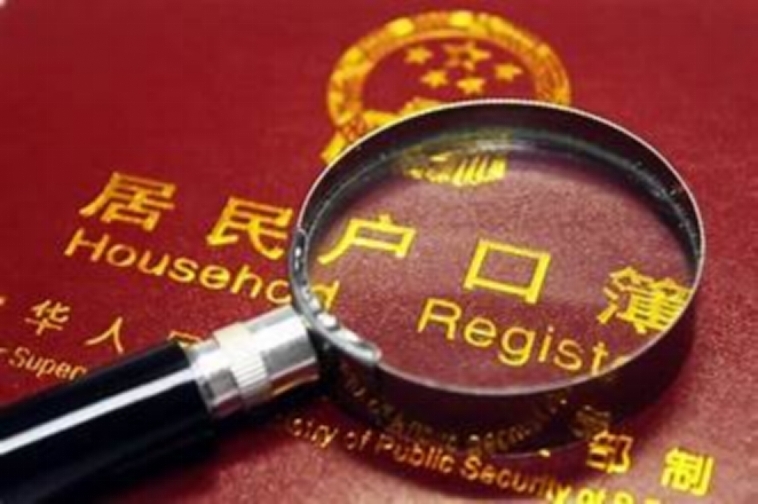
The household register, or “hukou,” is a fundamental aspect of Chinese society, influencing various facets of life, including education, employment, and social services. Understanding the hukou system is crucial for anyone navigating the complexities of living in China, whether as a resident or a foreigner.
In this guide, readers will explore the historical context of the hukou system, its current implications, and the challenges faced by individuals in different regions. We will also discuss the recent reforms and their potential impact on mobility and social equity.
By the end of this guide, readers will gain a comprehensive understanding of the household register’s significance, the rights and limitations it imposes, and practical insights for managing hukou-related issues. This knowledge will empower individuals to make informed decisions in their personal and professional lives within China.
- Understanding China’s Hukou System: A Comprehensive Guide
The hukou system, or household registration system, is a pivotal aspect of social and economic life in China. Originating over 2,000 years ago, this system identifies individuals as residents of specific areas and assigns them various rights and privileges based on their registration status. This guide delves into the intricacies of the hukou system, exploring its technical features, different types, and the implications for citizens.
- Overview of the Hukou System
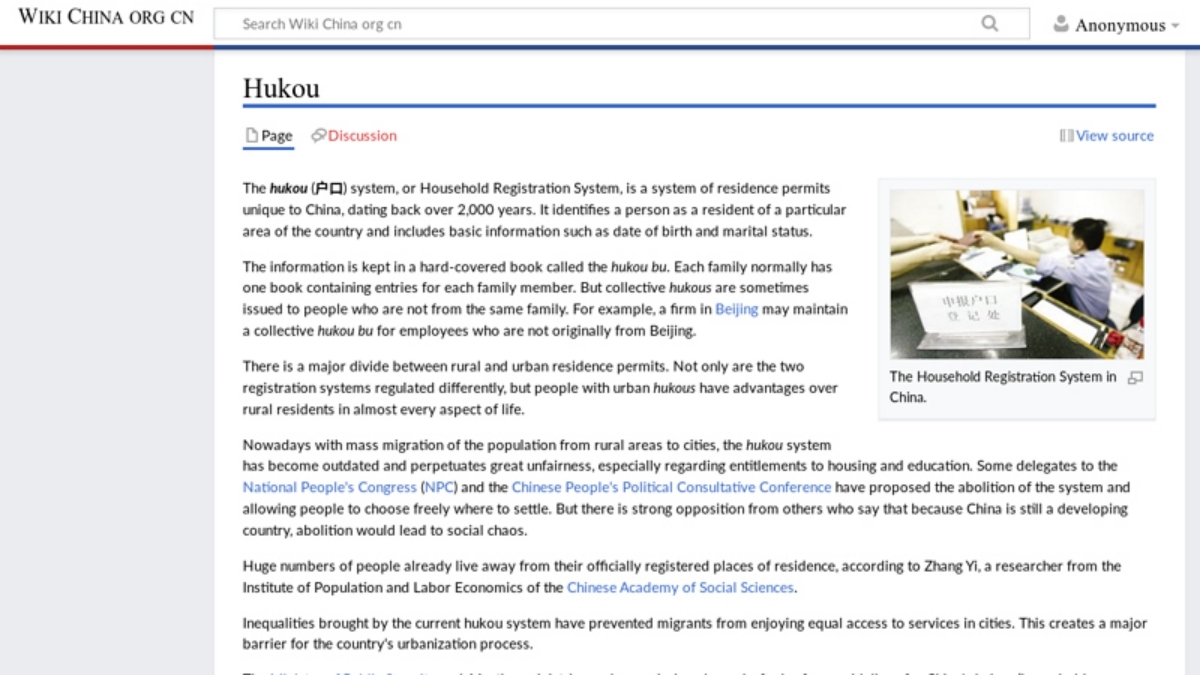
The hukou system categorizes residents into two primary classifications: urban and rural. This classification affects access to essential services such as education, healthcare, and employment. Urban hukou holders generally enjoy more benefits compared to their rural counterparts, creating a significant divide in social equity.
- Technical Features of the Hukou System
The hukou system has several defining technical characteristics that dictate how it functions within Chinese society. Below is a comparison table highlighting these features:
| Feature | Description |
| Registration | Mandatory for every citizen; linked to place of residence. |
| Types | Divided into urban and rural categories, affecting rights and privileges. |
| Eligibility | Criteria include income, employment, and housing stability. |
| Transferability | Changing hukou status requires government approval and adherence to specific regulations. |
| Social Benefits | Access to social services like healthcare, education, and housing based on hukou type. |
| Monitoring | Used for policing and social control; authorities can track movements of residents. |
- Types of Hukou
The hukou system comprises various types, each with distinct characteristics and implications for residents. The following table outlines the primary types of hukou:
| Hukou Type | Characteristics |
| Urban Hukou | Provides access to city services, better employment opportunities, and social benefits. |
| Rural Hukou | Grants rights to agricultural land but limited access to urban services. |
| Collective Hukou | Issued to groups, such as employees of a company or institution, often without individual family registration. |
| Temporary Hukou | For migrants; allows limited rights and is typically short-term. |
| Converted Hukou | Rural residents can convert to urban hukou under certain conditions, usually involving fees and stable employment. |
- Historical Context
The hukou system was formally established in the 1950s to control internal migration and allocate resources. Over the decades, especially during periods of economic reform, the system has faced criticism for perpetuating inequalities between urban and rural residents. The disparity became glaringly evident during events like the Great Famine, where rural hukou holders were disproportionately affected.
- Current Reforms and Challenges
In recent years, the Chinese government has initiated reforms aimed at easing restrictions on the hukou system. These reforms focus on allowing rural residents to acquire urban hukou more easily, thereby improving their access to social services. However, challenges persist, including stringent criteria for eligibility and local government regulations that often favor wealthier individuals.
- Impact on Migration and Urbanization
The hukou system significantly influences migration patterns within China. Many rural residents migrate to cities in search of better opportunities but often do so without the necessary hukou, leading to a precarious existence. This situation creates a large population of “migrant workers” who lack access to essential services, contributing to urban inequality.
- Economic Implications
The economic implications of the hukou system are profound. The system restricts labor mobility, hindering the potential for a more flexible and responsive labor market. As a result, many sectors experience labor shortages while rural areas struggle with unemployment. The government aims to transition towards a consumption-driven economy, necessitating reforms to the hukou system to facilitate greater mobility.
- Comparative Insights from Various Sources
Insights from different domains provide a well-rounded view of the hukou system’s complexities. For instance, joinhorizons.com discusses the socio-economic advantages urban hukou holders enjoy, while ins-globalconsulting.com highlights the challenges faced by migrants. Meanwhile, www.cecc.gov emphasizes the need for continued reform to address discrimination against rural residents.
- Conclusion
The hukou system remains a fundamental aspect of Chinese society, influencing everything from social mobility to economic development. While reforms have been initiated, significant barriers still exist that perpetuate inequality. Understanding the hukou system is essential for grasping the broader socio-economic landscape in China.