
By Greg Hugh
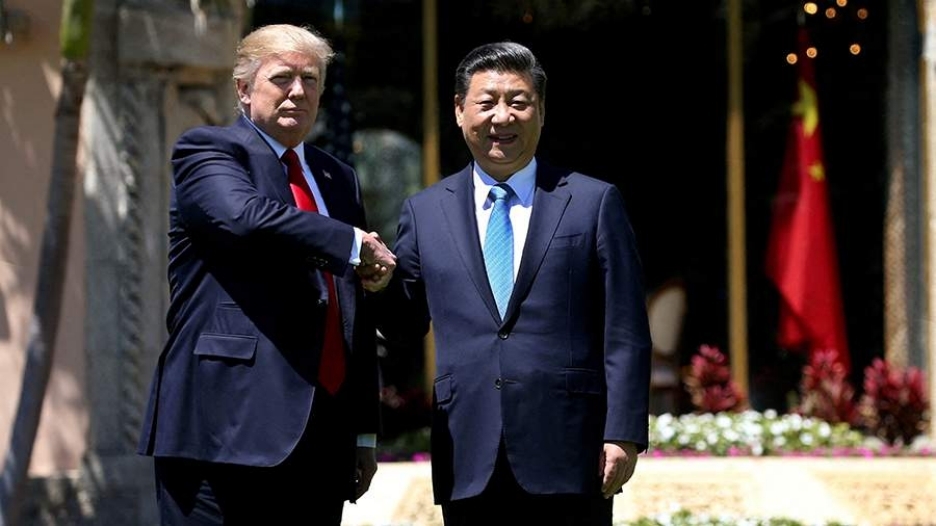
Here’s a breakdown of the significance of the recent meeting between Xi Jinping and Donald Trump, held in Busan, South Korea on 30 October 2025:
✅ Key Outcomes & Agreements
- The two leaders agreed to a one-year trade truce: the U.S. will ease certain tariffs on Chinese goods, and China will delay implementation of export controls on rare‐earth metals. Atlantic Council+3Financial Times+3Al Jazeera+3
- China committed to resume large-scale purchases of U.S. agricultural products (notably soybeans) for the next few years. AP News
- They agreed to cooperate on non‐traditional security issues: curbing the flow of fentanyl precursor chemicals, and enabling supply‐chain/technology discussion (e.g., rare earths, chips) without, for now, full resolution of those areas. AP News+1
- The meeting served as their first in-person encounter since 2019, resetting the personal diplomatic channel. Al Jazeera+1
⚠️ Why It’s Significant
- De-escalation of Tensions
The meeting signals a deliberate pull-back from more aggressive economic confrontation: tariffs, export bans and retaliatory measures are being paused. That creates breathing space for both sides. Al Jazeera+1 - Economic & Supply-Chain ImplicationsFor the U.S., farmers (especially soybean growers) get a major market back, which has domestic political importance. AP News
- For global supply chains: China’s agreement to delay rare-earth export controls is important because these minerals underpin many industries (tech, defense, EVs). Atlantic Council
This meeting thus speaks to the interplay of trade and national security/economic policy. - Strategic Messaging & Leadership Diplomacy
The public framing (Trump calling the meeting “amazing”, rating it “12/10”) and reciprocal visit planning (Trump to China, Xi to U.S.) suggest both sides want to show this isn’t a casual exchange but rather a turning point. Politico+1
China, in particular, appears to set a diplomatic tempo, offering pauses rather than full concessions — which keeps leverage. Atlantic Council
- For global supply chains: China’s agreement to delay rare-earth export controls is important because these minerals underpin many industries (tech, defense, EVs). Atlantic Council
🚧 Why It’s Also Limited / Why Caution Is Warranted
- The agreement is temporary and scoped: many of the most contentious issues remain unresolved (advanced semiconductors, Taiwan, human rights). Analysts call it a “pause” rather than a full reset. Atlantic Council+1
- China holds significant long-term structural leverage (rare earths, supply chains), and many of the U.S.’s strategic concerns (tech dominance, security cooperation) remain on the table. Atlantic Council
- The one-year truce means that unless follow-through happens, escalation risks return. The underlying U.S.–China rivalry (economic, technological, ideological) remains deep.
🎯 Implications Going Forward
- For the U.S.: Potential relief for U.S. exporters, but also the need for vigilance in ensuring commitments are realized (e.g., the soybean purchases, rare earths delay).
- For China: Opportunity to rebuild a degree of stability, relieve immediate pressure, and shift the focus to medium-term strategy.
- For global markets and geopolitics: The meeting offers some short-term stability, but also sets the scene for future negotiation rounds — whether through trade, tech regulation or broader security competition.
- Regionally (Asia-Pacific): The meeting took place on the sidelines of the in Busan, signaling that China and the U.S. are still engaging via multilateral/ regional fora, even amid bilateral tension.
Editor’s Note: Be sure also to read about China’s Fifteenth Five Year Plan on this website.