
By Greg Hugh
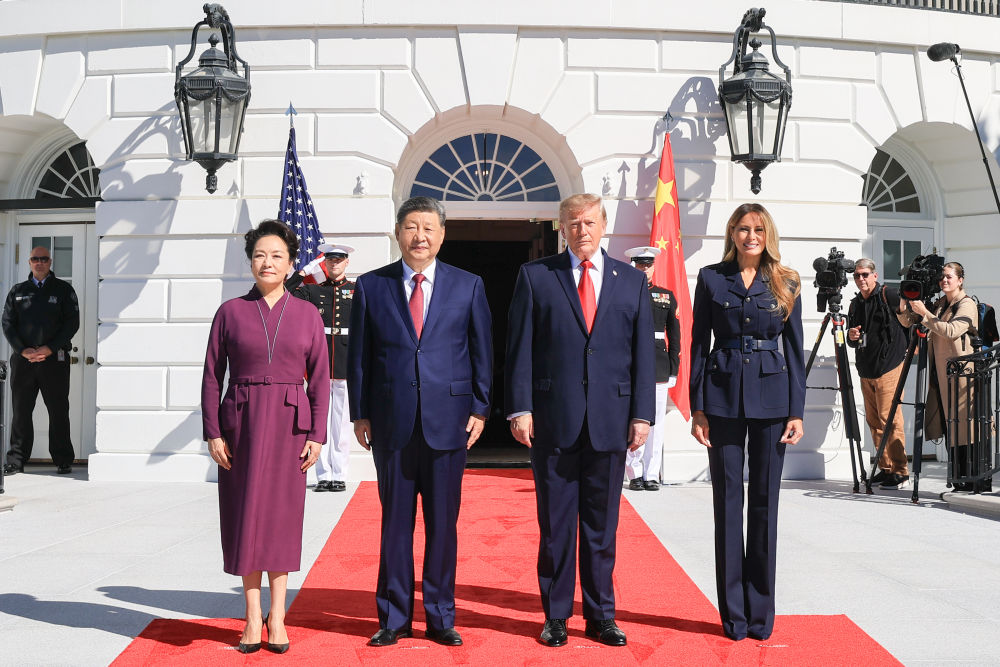
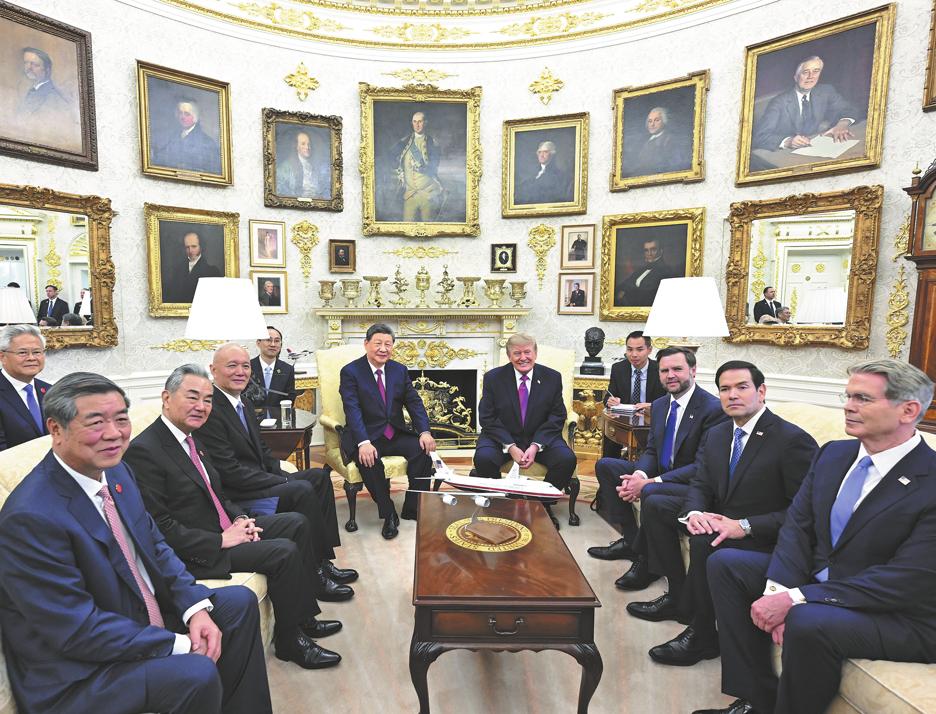
The recently concluded Trump–Xi summit in Washington, in the opinion of this reporter, looks less like a breakthrough summit and more like an effort to stabilize a highly competitive relationship and buy time. The symbolism was substantial, but the concrete agreements were limited.
What the summit actually accomplished according to published reports
1. They extended the trade truce.
The most tangible result was an extension of the existing U.S.–China trade arrangement until January 10, 2027. That keeps the tariff confrontation from immediately escalating, but it postpones rather than resolves major disputes over tariffs, Chinese rare-earth exports, U.S. technology restrictions, and Chinese purchases of U.S. goods.
2. They kept the leaders’ relationship functioning.
Both Trump and Xi emphasized continued dialogue and avoiding a destructive confrontation. Xi explicitly framed the relationship in terms of avoiding the “Thucydides Trap”—competition between an established and rising power turning into conflict.
That matters because regular leader-level communication itself is a form of risk management when the two countries have disagreements over Taiwan, technology, trade, and security.
3. AI moved higher on the diplomatic agenda—but without a major agreement.
AI was discussed, including the risks associated with increasingly powerful systems. Xi emphasized keeping AI under human control, while Trump indicated he did not want additional constraints on AI development at this stage. There was no major bilateral AI-control agreement announced.
4. Taiwan remained unresolved.
Xi urged Trump to oppose Taiwanese independence and handle the Taiwan issue carefully. There was no announced breakthrough on the issue, and the White House had not released a comparable detailed account of the Taiwan discussion when the initial reports appeared.
5. Iran was another area where differences remained.
Trump wanted China to help pressure Iran and address the Strait of Hormuz crisis. Xi supported renewed U.S.–Iran negotiations but did not appear to accept the broader U.S. approach.
The bigger significance
I would characterize the summit as “managed competition” rather than reconciliation.
The two governments are not resolving their fundamental strategic differences. Instead, they appear to be trying to establish guardrails around the competition:
| Issue | Where things stand after summit |
| Trade | Truce extended; major disputes remain |
| Tariffs | Temporarily contained, not fundamentally resolved |
| Rare earths | Still an important bargaining issue |
| AI | Dialogue, but no major arms-control framework |
| Taiwan | Fundamental disagreement remains |
| Technology | Strategic competition continues |
| Iran | Different approaches |
| Leader communication | Continued |
| Overall relationship | Competitive but seeking greater stability |
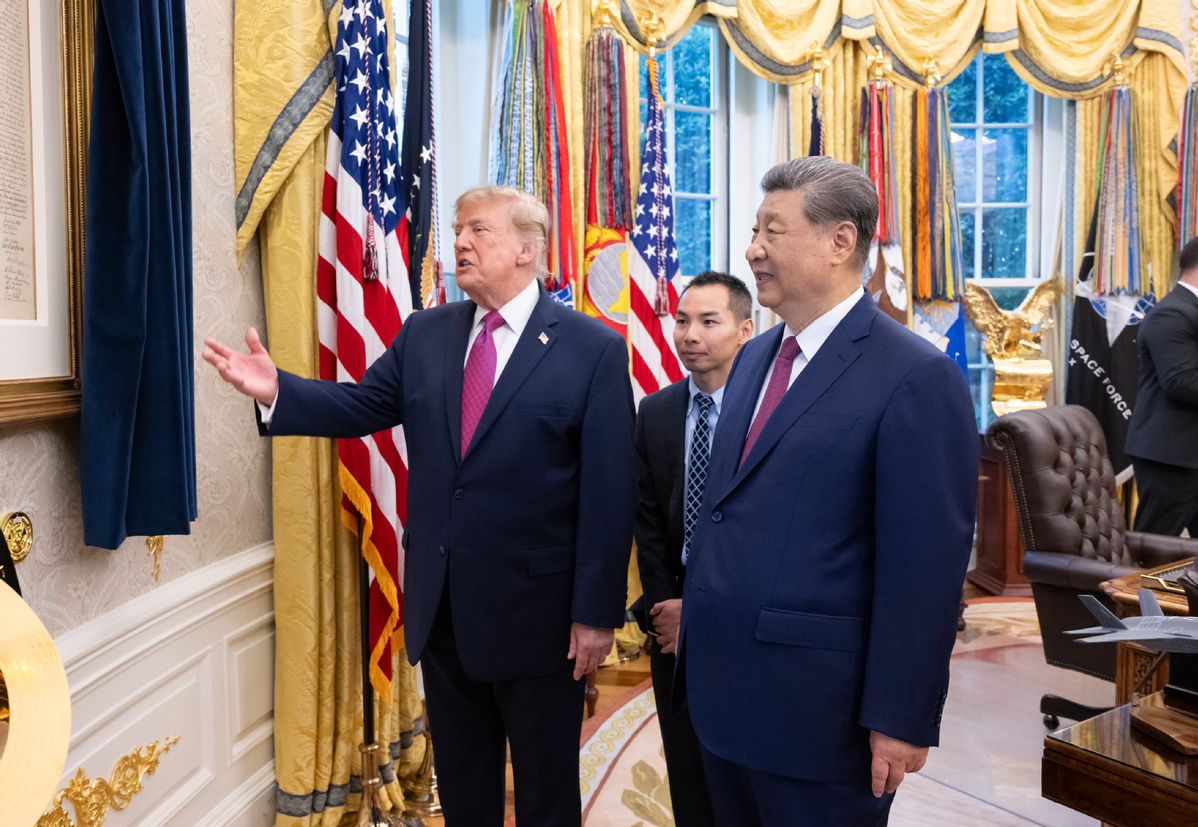
The importance of the summit therefore may be less about what was signed and more about what did not happen: neither side allowed the relationship to slide into another major escalation. The Council on Foreign Relations similarly assessed beforehand that a major breakthrough was unlikely.
Who gained what?
Rather than declaring a “winner,” it is more useful to look at what each government appears to have sought.
Washington gained: additional time without an immediate trade escalation, continued Chinese engagement, and a channel for addressing issues such as AI and trade.
Beijing gained: continuation of the trade truce, another high-level dialogue with Washington, and an opportunity to press its Taiwan concerns directly with Trump.
Both gained: predictability. The summit creates additional opportunities for Trump and Xi to meet later in 2026, potentially including the APEC and G20 meetings.
My main takeaway
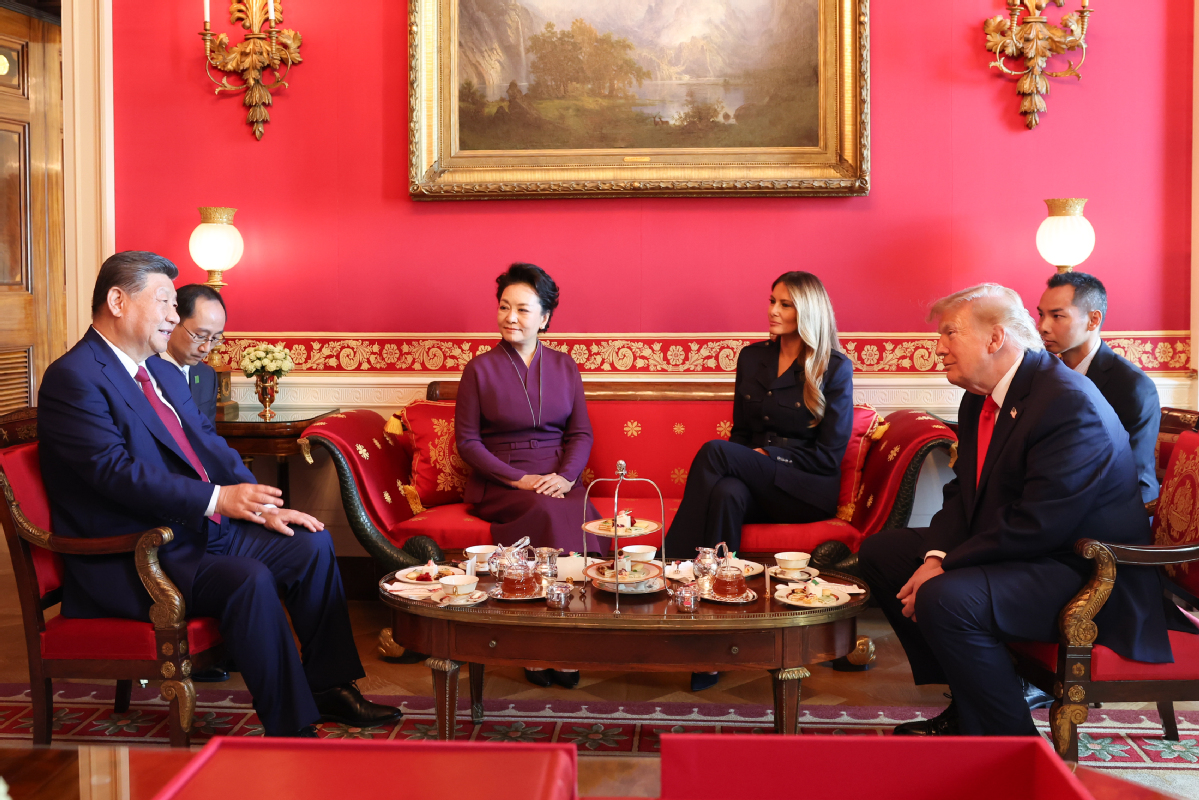
The summit did not fundamentally change U.S.–China relations. Instead, it appears to have reinforced an emerging model:
Cooperate where necessary, compete where unavoidable, and try to prevent competition from becoming conflict.
That is significant given how interconnected the two economies remain and how dangerous a military crisis over Taiwan or another issue could become.
For your broader interest in U.S.–China understanding, I think the most interesting question coming out of this summit is not “Who won?” but whether Trump and Xi can turn this temporary stability into a durable framework for coexistence despite their strategic rivalry. Current analysis suggests that remains an open question.