
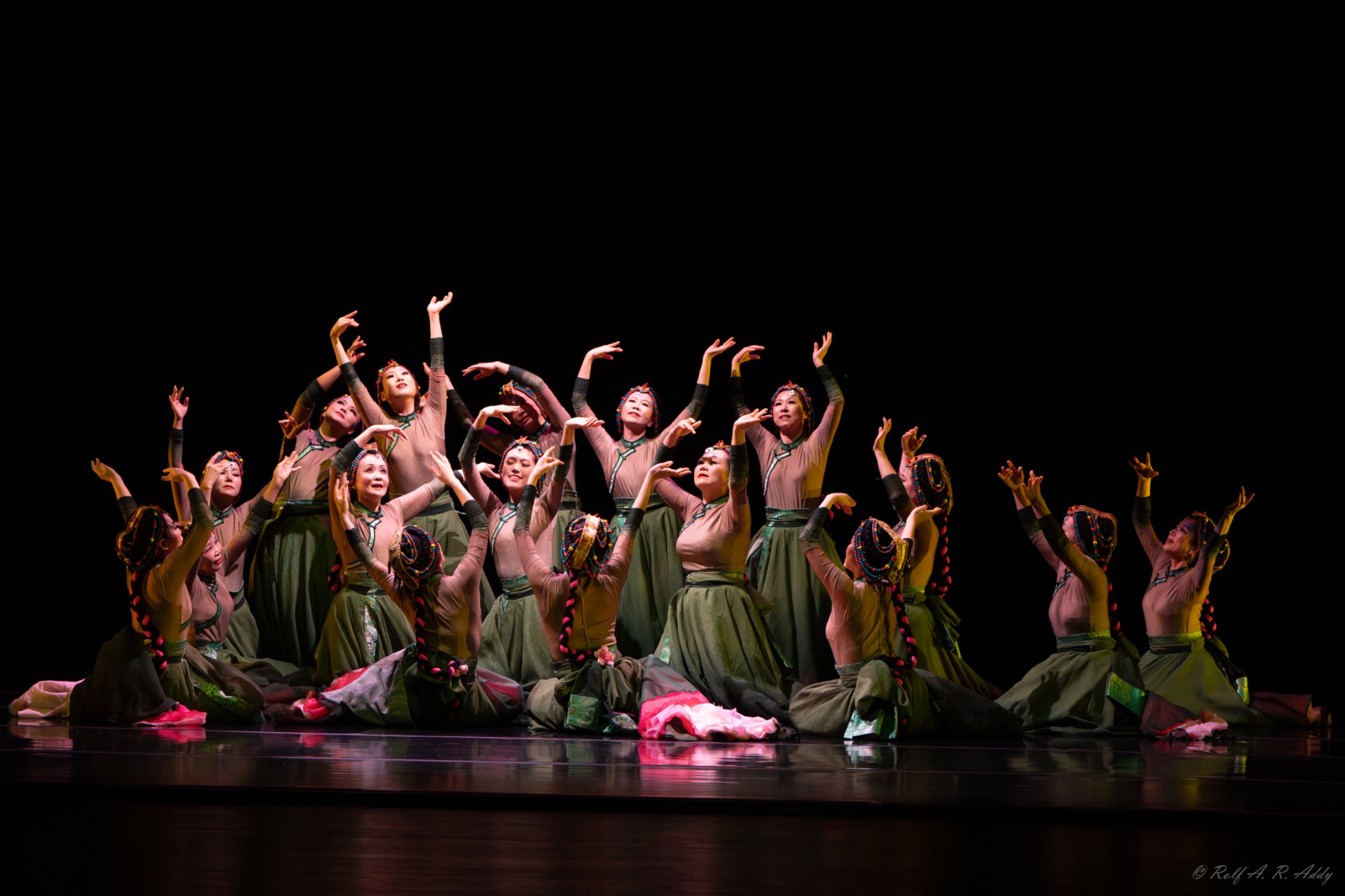
Above: “Gesang Flowers in Bloom” (Rolf Addy).
By Jenny Liang, Associate Reporter at China Insight
“Nevertheless, the Yellow River is to China what the Nile is to Egypt – the cradle of its civilization, where its people learnt to farm, to make paper and gunpowder.”
In his book, Prisoners of Geography: Ten Maps That Tell You Everything You Need to Know About Global Politics, British journalist Tim Marshall muses how the Yellow River (黄河 or Huang He) was the birthplace of Chinese civilization. The second-longest river in China, the Yellow River slithers across 3,395 miles and gains its iconic yellow hue through massive deposits of loess, earthy silt easily eroded by water, from the Loess Plateau (IERE, “Why the Yellow River Is Called Yellow: Unraveling the Sediment Secrets of China’s Mother River”). This leads to Huang He being the world’s “most heavily silted river” (Britannica, “Huang He Floods”).
The Yellow River, called “the Mother River” of the Chinese people by President Xi Jinping, has been the subject of thousands of years of poetry, music, and art (China Story, “Xi Story: Resolute efforts at protecting China’s mother rivers”). They were the driving factor for China’s large population, and today, it supplies water “to an estimated 155 million people” and irrigates “15% of China’s farmland”(Medium, “The Tragic Character Of China’s Yellow River”). The rivers, which snake across the Middle Nation, watered the crops that fed an emerging nation.
In his poem, William He showcases the Yellow River’s contribution to Chinese identity:
“The river slithers free, / A ribbon glazed in saffron silt, / Its waves unspool like candle wax. / The banks are dissolving in sugared smears, / Their rims a blur of weeping fish’s scales. / While carps and waterfowls with eyes of shattered clocks, / Churn abyssal depths, / Water fills a thousand urns…” (“Crossing the Yellow River,” 2025).
Even so, every blessing has a hidden tragedy. While being the liquid gold that watered a civilization, the Yellow River is ominously referred to as “China’s Sorrow.” The same beautiful water that fertilized land, fed dynasties, sustained life, and warded off droughts and dehydration “is widely considered the river that caused the most deaths in recorded history…, resulting in a staggering loss of human life” (IERE, “What river caused the most deaths?”).
Since the second century BCE, the Yellow River may have overflowed 1,500 times, reminding me of a musing from Suzanne LaBarre:
“Suddenly, the river isn’t a hapless victim anymore, but a sorceress, who, emboldened by her own magic, could rise up at any moment and sweep everything away” (Fast Company, “A Poetic Photo Essay On The Death Of China’s Yellow River”).
In the past two centuries, unpredictable overflooding has killed millions through drowning, famine, and disease. In 1887, between 900,000 and 2 million Chinese died after Zhengzhou dikes were breached by the river (IERE, “What river caused the most deaths?”). Half a century later, in 1931, the Republic of China experienced “a larger series of floods” that killed up to 4 million people and displaced around 80 million (IERE, “What river caused the most deaths?”; Britannica, “Huang He Floods”). And in 1938, Nationalist leadership intentionally burst dikes in Henan to slow down invading Japanese troops, killing and displacing millions in one of the most catastrophic manmade disasters in history (IERE, “What river caused the most deaths?”).
Despite its trail of devastation, Huang He is an integral part of Chinese identity. And this story was masterfully crafted in “Voyage Along the Yellow River,” a packed January performance by the Phoenix Chinese Dance Academy.
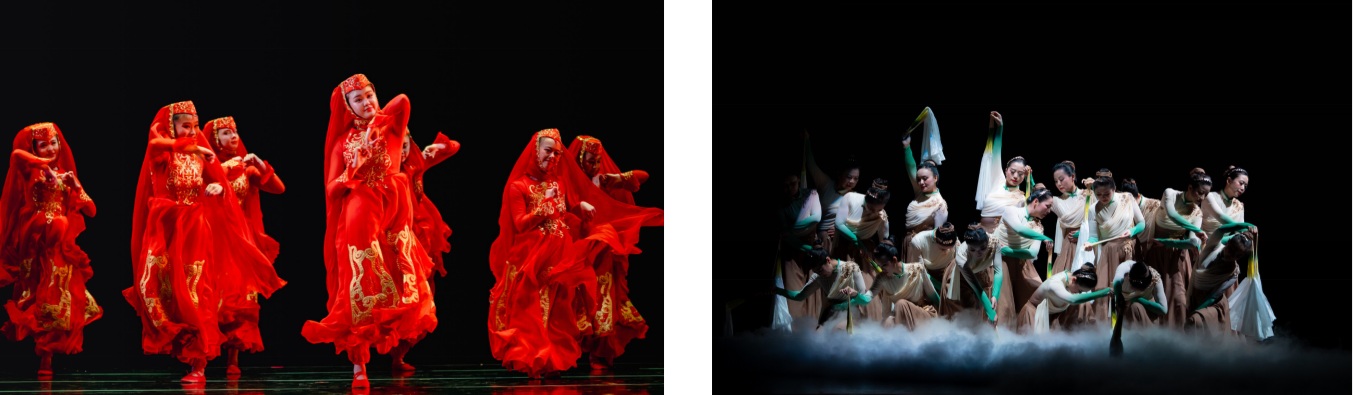 Left: “Blooming Reeds by the Yellow River” (Jing Wang)
Right: “Timeless Charm” (Jijun He)
Phoenix Dance School was founded by celebrated dance instructor Ying Li. Ms. Li studied Traditional Chinese Dance and “has been dedicated to dance education, choreography, and performing arts” (Phoenix Dance School). Ever since, Ying Li has received national and international awards. She is cemented in Chinese Dance history through training dancers at Dalian Model School, China’s first model school. Ying has taught Chinese dance in Minnesota since 2009, and finally opened her own dance academy in 2019.
The Chinese-English dance school pursues “new artistic heights and forms of expression … by continuously improving the level of teaching and performance” as well as “expanding the stage of Chinese dance and highlighting the unique charm of Chinese dance” (Phoenix Dance School). Phoenix specializes in the three categories of Chinese dance: classical, folk and contemporary. The Academy enrolls children as young as three years old to seasoned adult dancers pursuing professional artistry.
Annually, the Phoenix Dance School holds a grand dance spectacle with hundreds of participants. In January 2026, Ying Li paid homage to the history and significance of the Yellow River using the Huang He as the scroll, and Chinese dance as the brush. “Voyage Along the Yellow River” was performed to a packed audience at St. Catherine University’s O’Shaunessy Theatre.
Hours of meticulously choreographed performances featured nine provinces and cultural dances of minority groups as Li recreates on stage “the civilization and life nurtured by the Yellow River” (Phoenix Dance School).
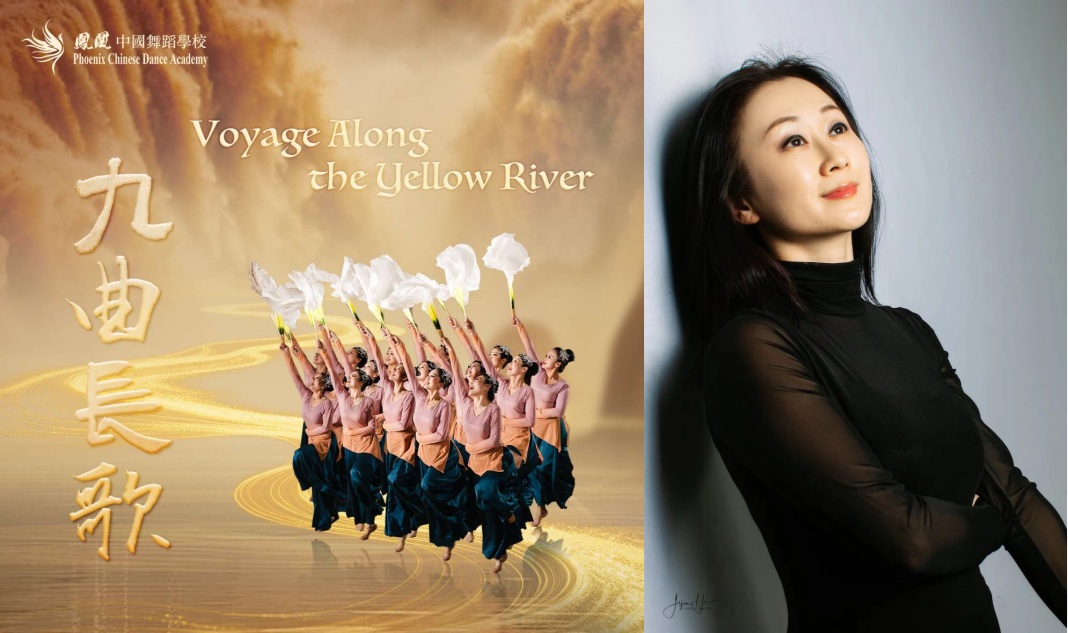 Left: Promotional Poster
Right: A portrait of Ms. Ying Li.
The performance began with the Yellow River’s origin at Qinghai Province, featuring “Gesang Flowers in Bloom” and “The Herdsman’s New Song.” Here, “nomadic culture and nature worship intertwine.” Qinghai is known for heavy Tibetan influences, Buddhist temples, soaring Mountain peaks, and crystal-clear lakes.
The first performance of the night took place “in the hush of heaven and earth,” where gesang flowers began to bloom. Women in flowing green skirts and Tibetan headdresses twirled mysteriously. Visually, gesang flowers are delicate and have a pink hue, resembling daisies. Symbolizing fortune, gesang means “happiness” in Tibetan (Flower Wiki, “What is Gesang flower, and what is its language and meaning”).
The second performance showcased young girls joyfully imitating Tibetan herders in synchronization. In the vast grasslands of Tibet, nomadic herders tend flocks of sheep, cattle, goats, and yaks. Yaks are the most important to Tibetans, and especially prized for their milk (National Museum of Asian Art, ‘Nomadic Herding on the Tibetan Plateau”).
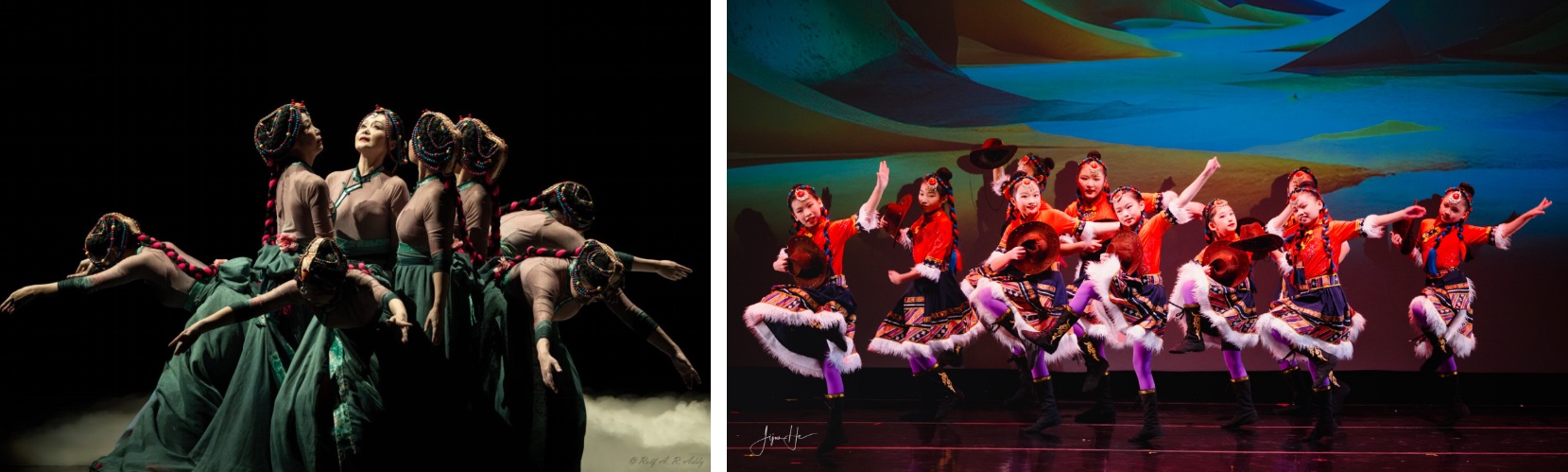 Left: “Gesang Flowers in Bloom” (Rolf Addy)
Right: “The Herdsman’s New Song” (Jijun He)
The second act moved to Sichuan, a province known for its spicy cuisine and mala peppercorns and chilis, an addicting aroma that simultaneously numbs and burns one’s tastebuds. The riverbanks flow past the flat grasslands and wetlands. Here, “Black Necked Crane” and “Summer Night” were the following two performances.
In “Black Necked Crane” teenage dancers poetically depicted the graceful black-necked crane, “the spirit bird of the plateau” and “a symbol of vitality and freedom” (Phoenix Dance School).
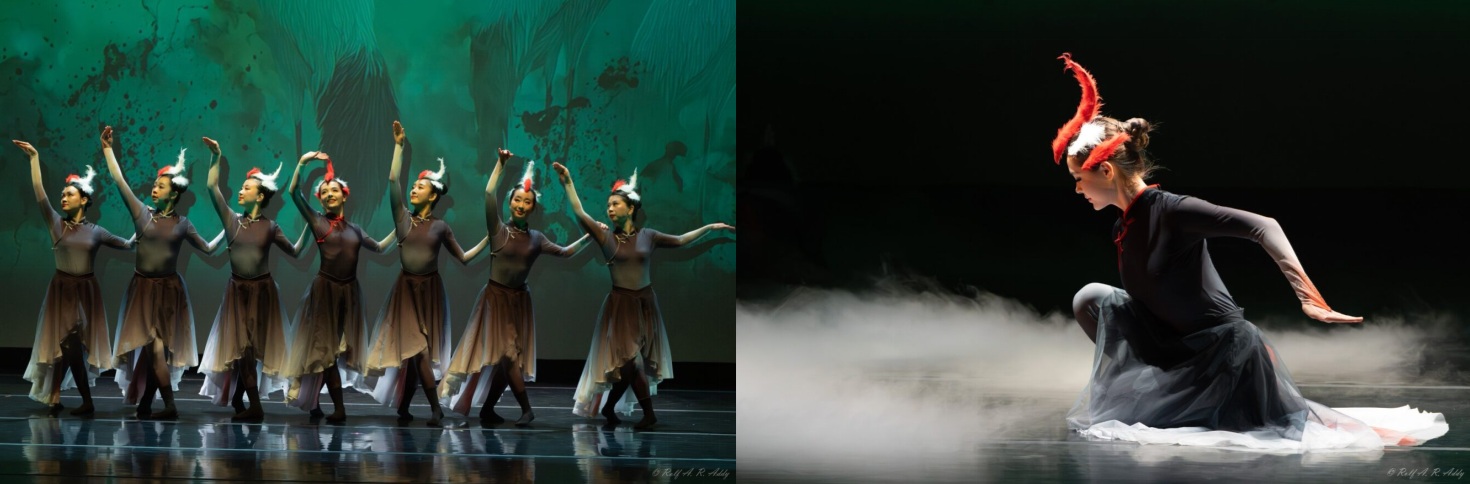
Left and Right: “Black Necked Crane” (Junwei Han)
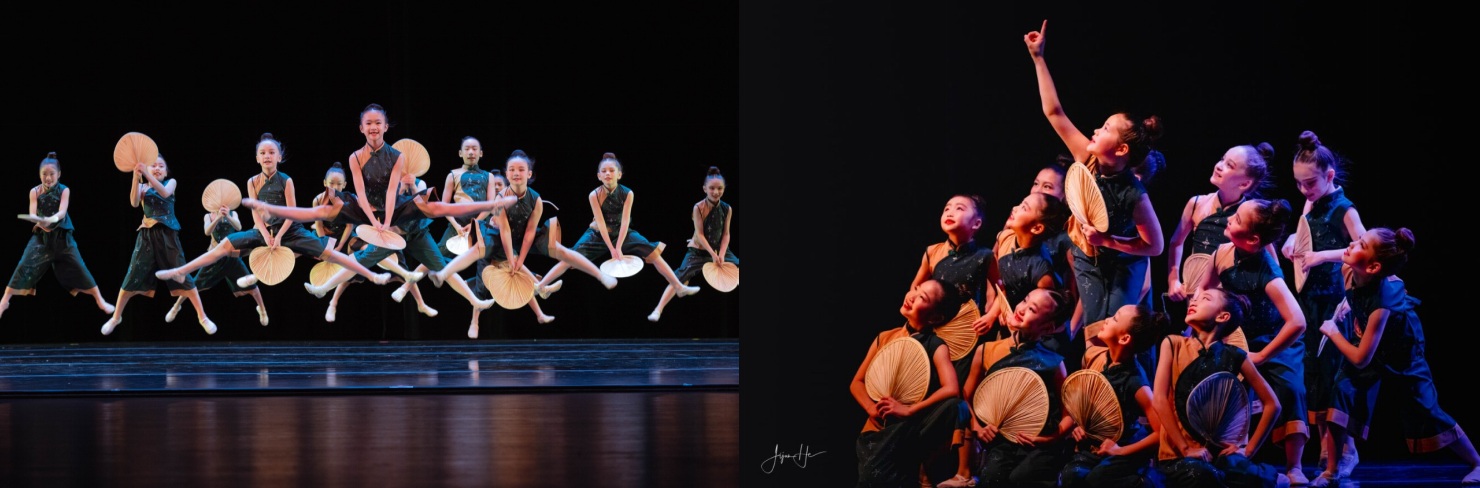
Left and Right: “Summer Night” (Jijun He)
Following the awe-inspiring dance, where dancers imitated the crane with black dresses and red head gear, younger performers stole the show with an upbeat recreation of a humid Sichuan evening. Sichuan is notoriously hot and stuffy, and these girls were prepared with fans as they playfully pranced around the stage.
In the third and fourth acts, Gansu and Ningxia were represented as the river deepened. In Gansu, remnants of the Silk Road remain with the Muslim Hui minority. Lanzhou is known for its chewy hand-pulled, bouncy noodles. In “The Song of Pulling Noodles,” girls dance craftfully as they imitate regional noodle masters. All of them are dressed in orange attire and hold pulled noodles, “echoing the passion and vitality of the city” (Phoenix Dance School). There was an incredible scene where two large noodle strands were pulled across the stage!
In “Flying Apsaras of Dunhuang,” dancers mimic mystical apsaras, buddhist celestial beings who amuse the gods with dance and song. They artistfully incorporated religious hand signs reflecting meditation and Buddha’s inner states. More mystical in nature, this production featured “flowing colored clouds” and gorgeous, dreamy dresses.
As the Yellow River transitioned to Ningxia, the audience was introduced to the Hui, an ethnic group descended from Silk Road migrants. Ningxia is dotted with mosques and rice paddies, integrating religion and ethnicity “along the cultural belt of the Yellow River” (Phoenix Dance School).
“Dancing Daises,” the first dance in this fourth act, depicts the flower songs of the Hui People. The tune is recognizable as distinctive folk music. I was pleasantly surprised seeing the incorporation of Islamic prayer in the dances. As shown below, Ying took a creative liberty on Hui customs and dances. The girls wore Hui cultural clothing, which paired with the music paid off with a cheerful but enlightening show.
The following piece, “Timeless Charm,” shows mysterious Hui teenagers gliding across the stage with traditional steps. In one part, the girls used their hijabs as flowing accessories, which added depth to the performance. I loved the cultural and religious appreciation Ms. Li showed the Hui people, and how the dance sequences were traditional to the culture. In addition, each attire was unique to the region. There was definitely plenty of research that went behind the song choice, dance sequence, and costumes!
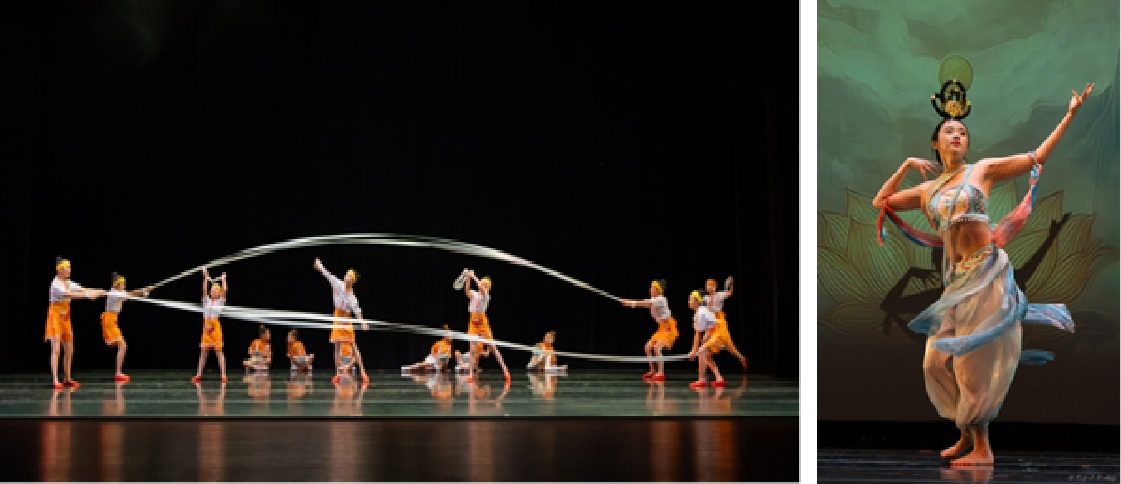 Left: “The Song of Pulling Noodles” (Jing Wang)
Right: “Flying Asparars of Dunhuang” (Rolf Addy)
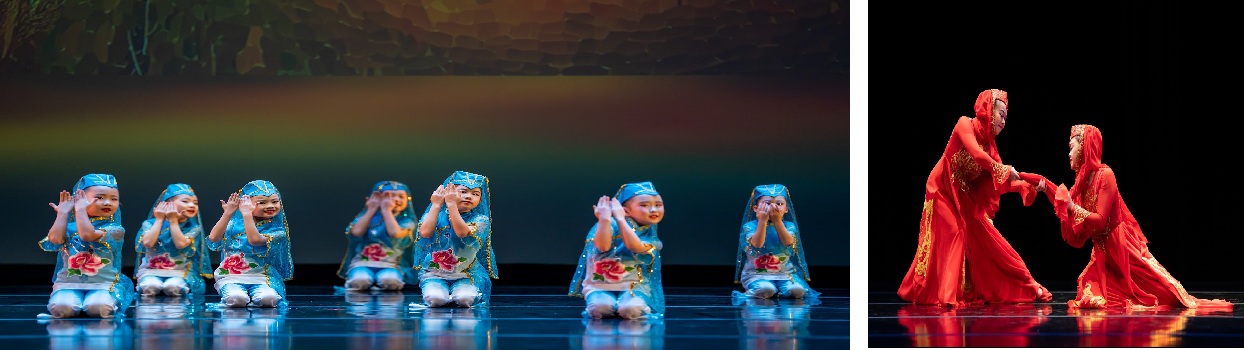 Left: “Dancing Daises” (Jing Wang)
Right: “Timeless Charm” (Jing Wang)
The night shifted to Inner Mongolia in the empty Hetao Plains. This time, it would be the nomadic Mongolian minority featured, and their customs of horse racing and wrestling. In “The Spirited Colt,” Mongolian children are seen frolicking and pretending to be horses racing across the grasslands. The crowd seemed to enjoy the throng of young dancers marching in step.
After that, “Mother in a Dream” was a more serious piece danced by director Ying Li herself and Phoenix Dance instructor Jianbo Shen. Jianbo is a dance graduate who earned a Master’s degree in Dance in Ukraine and starred in dance dramas. This quietly stirring performance depicts a dream over moonless grasslands.
Act Six transitions to the fiery Shaanxi Province, which houses the Mausoleum of the Huang Emperor, Xintianyou folk songs, and Biangbiang noodles. Biangbiang noodles are thick and chewy – interestingly, 𰻞 (the character for ‘biang’) is the hardest Mandarin character!
In “Tang Palace Night Banquet,” palace musicians overtly move under the palace nights. This was a lighthearted break from the more serious parts of the show, and it was enjoyable seeing elementary school dancers so clearly enjoy themselves.
Following that, “Glistening Dew” is inspired by the poet Libai, who wrote above interwoven clouds and fresh flowers among the morning dew. The Tang Dynasty was a golden period for Chinese civilization, and the dancers depict petals as delicate beauties of the Tang dynasty.
The highlight of the show came under “Tales of Changan,” where Lisa Becher captured the audience’s hearts as a stunning Tang dynasty imperial princess. She twirled around gracefully, executing complex dance maneuvers while holding the elegant poise of a relaxing princess. At the end, Becher surprised the crowd as a beautiful silk fell from the ceiling.
The 14th performance of the night, “Rhythm of the Drums,” provided a fast-paced alternative. The lively steps and drumbeats showcase the Shaanxi waist drum and the Guangzhou traditional folk dance.
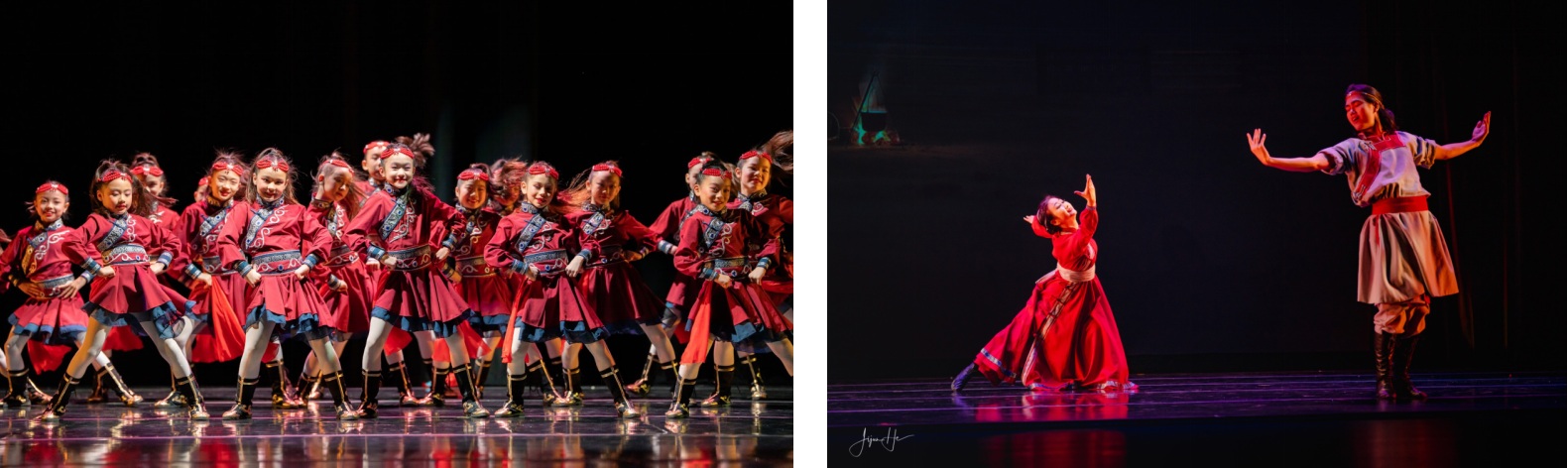 Left: “The Spirited Colt” (Jing Wang)
Right: “Mother in a Dream” (Jijun He)
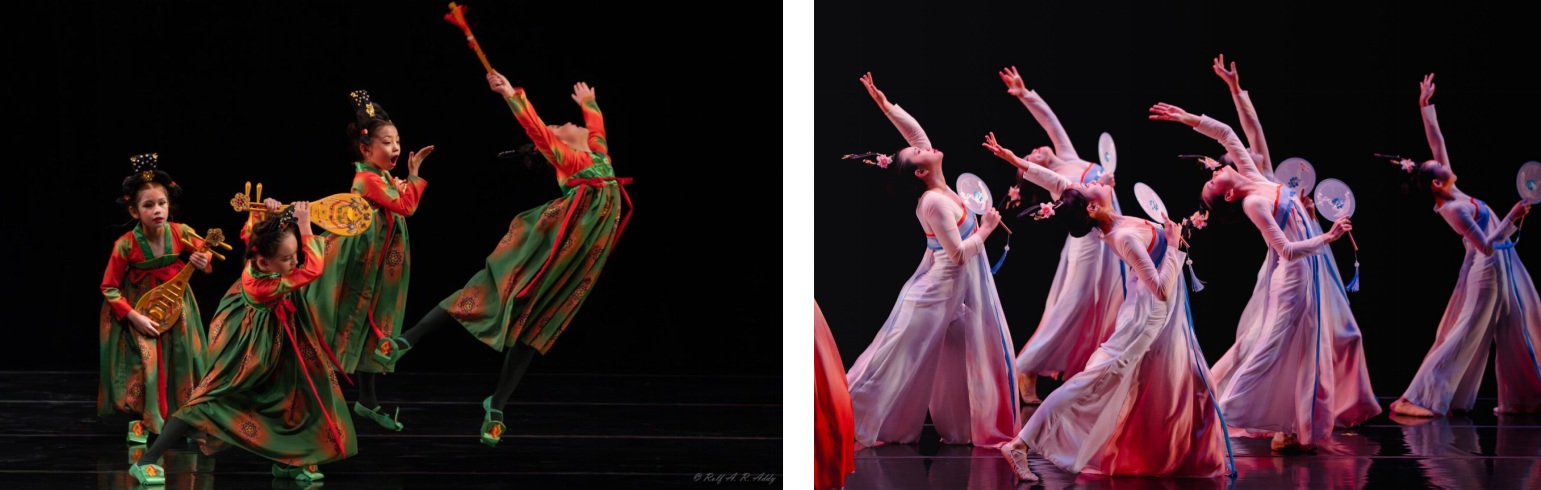 Left: “Tang Palace Night Banquet” (Rolf Addy)
Right: “Glistening Dew” (Rolf Addy)
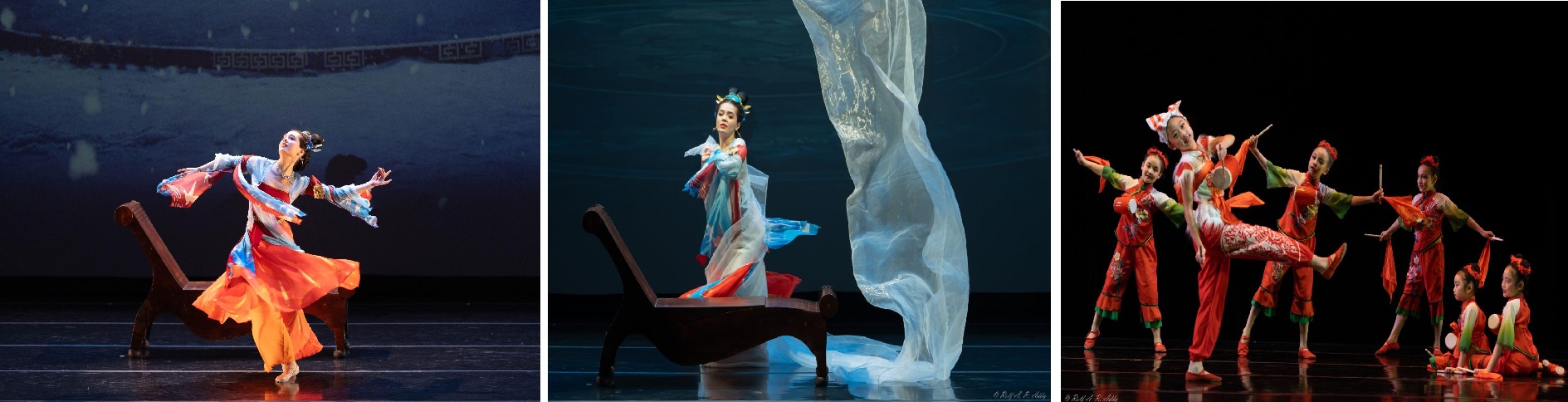 Left: “Tales of Changan” (Junwei Han)
Middle: “Tales of Changan” (Rolf Addy)
Right: “Rhythm of the Drums” (Rolf Addy)
The Yellow River’s next stop is at Shanxi Province, where it encounters the Jin-Shaan Gorge and the Taihang Mountains. In “Blooming Reeds by the Yellow River,” slender women rise above the dark fog. The tall reeds sway with the night breeze with precise rhythm.
“The Brightest Future” follows, with young girls prancing as blooming flowers. “The world blooms in its diversity,” Phoenix Dance proclaims, “and the future glows with love and dreams. Immediately after was “Blossoming Fans,” where dancers mimicking pink-and-blue butterflies wielded delicate fans and beautifully performed the signature Shanxi “three-step bounce.”
Near the end, we arrive at Henan Province, which holds the secrets of the Xia Dynasty. Globally, Henan is known for being the center of Shaolin Kung Fu, as well as the home of Yu Opera. In “Enchanted Phantom,” fluid palace women depict the Warring States period through powerful and swift movements. While other pieces were soulful and filled with longing, this one was packed with the intrigue and passions of courtlife.
In contrast, “The Luo River Goddess” took liberties on Cao Zhi’s rhapsody, portraying an elusive goddess. Following that, “Shaolin Kungfu” highlights the signature moves of the infamous Shaolin monk warriors. Pure strength and raw power is mixed by Ying Li with graceful dance techniques, which result in an eyecatching display of dance.
The 21st production, “Hello Flowers,” transitions to a throng of children as flowers. Accompanying the flowers were gardeners who watered the plants enthusiastically.
Finally, the Huang He ends at Shandong Province, surging into the sea. Shandong is the source of Confucian culture, with a long history of scholars and academics. In “A Lingering Kite,” the audience was blasted with nostalgia as kites soared. “Confucius” followed, with the next act telling the journey of the sage Confucius and the will of the soul and dedication to order.
The 24th and final act of “Voyage Along the Yellow River” culminated in “Seeds of Resilience.” This production triumphantly heralds the Yellow River’s presence from time immemorial. The River has always been there. And it always will.
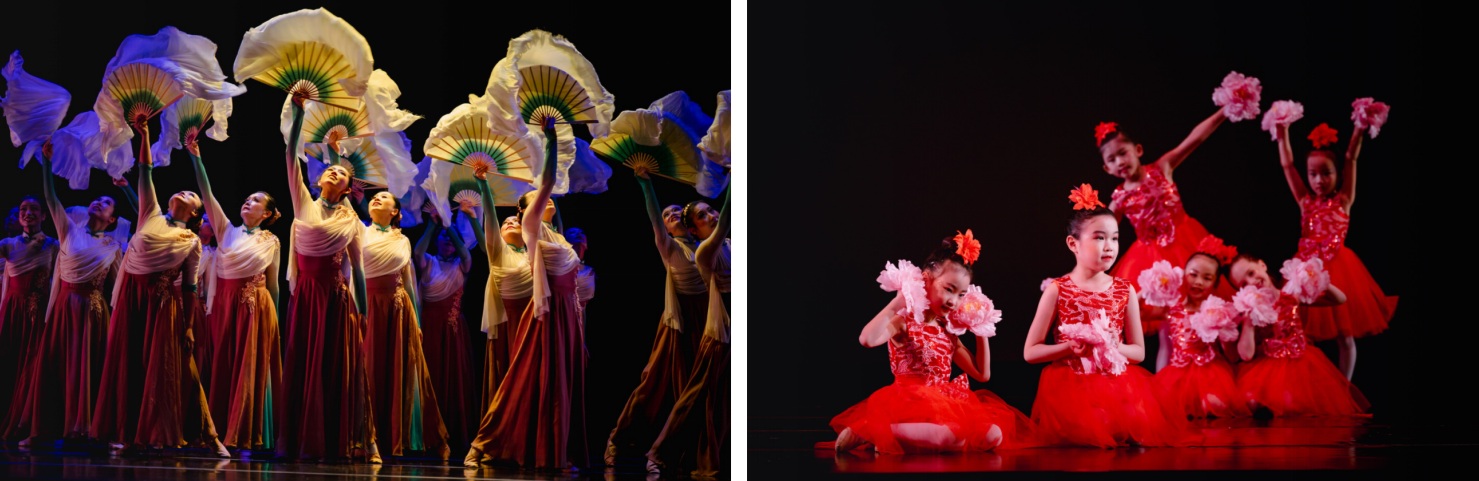
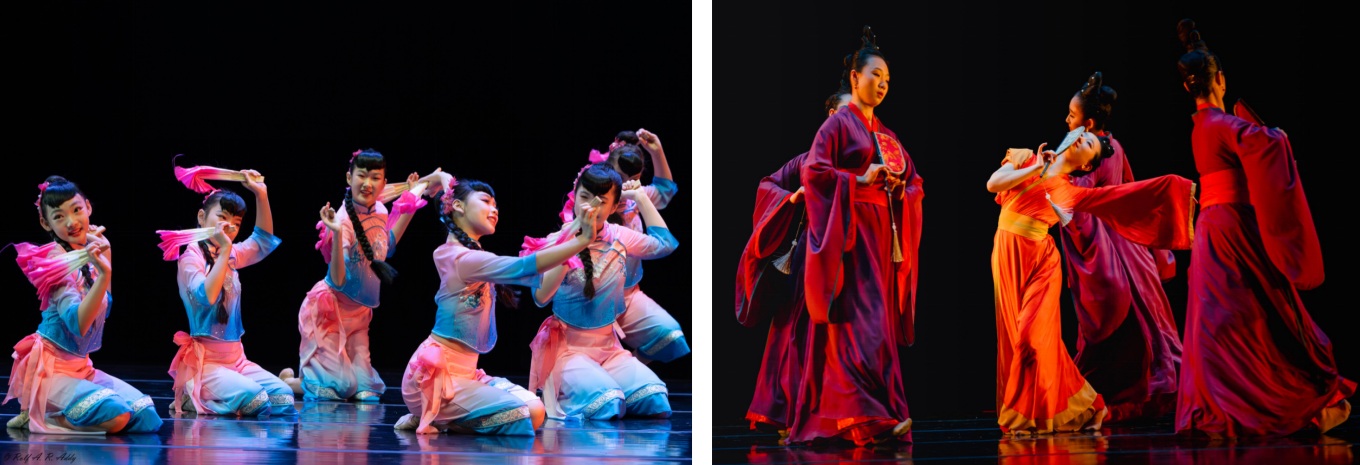
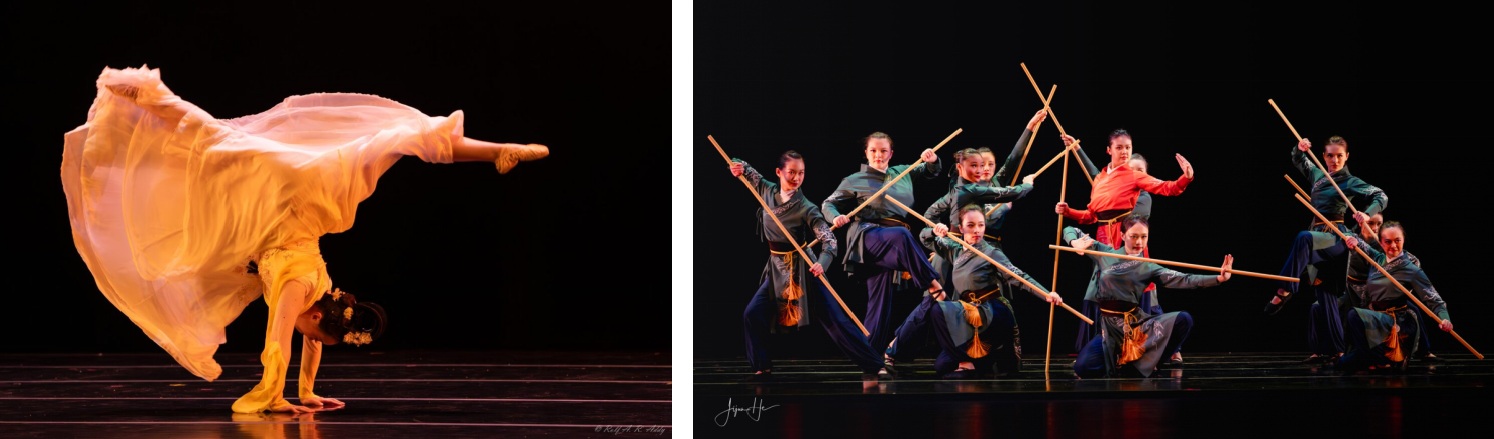
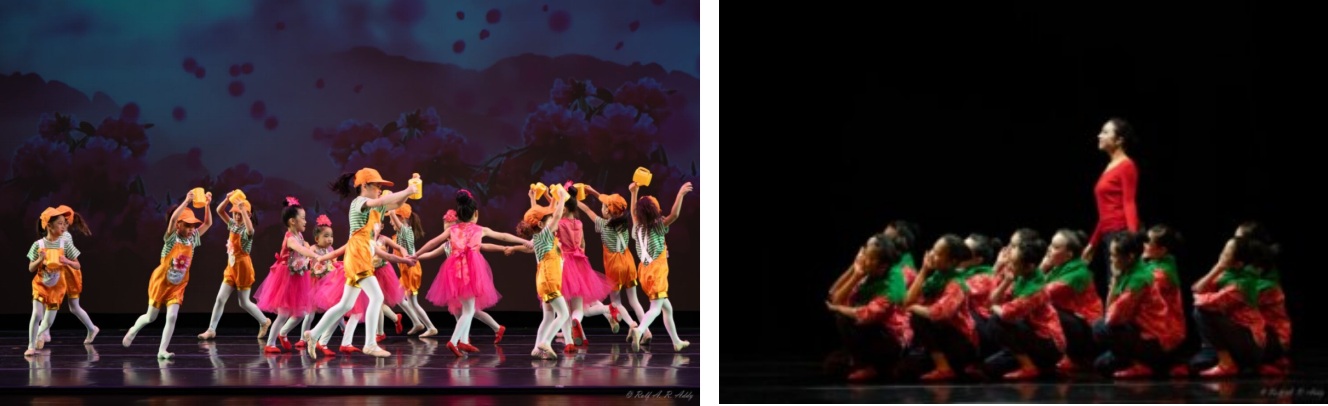
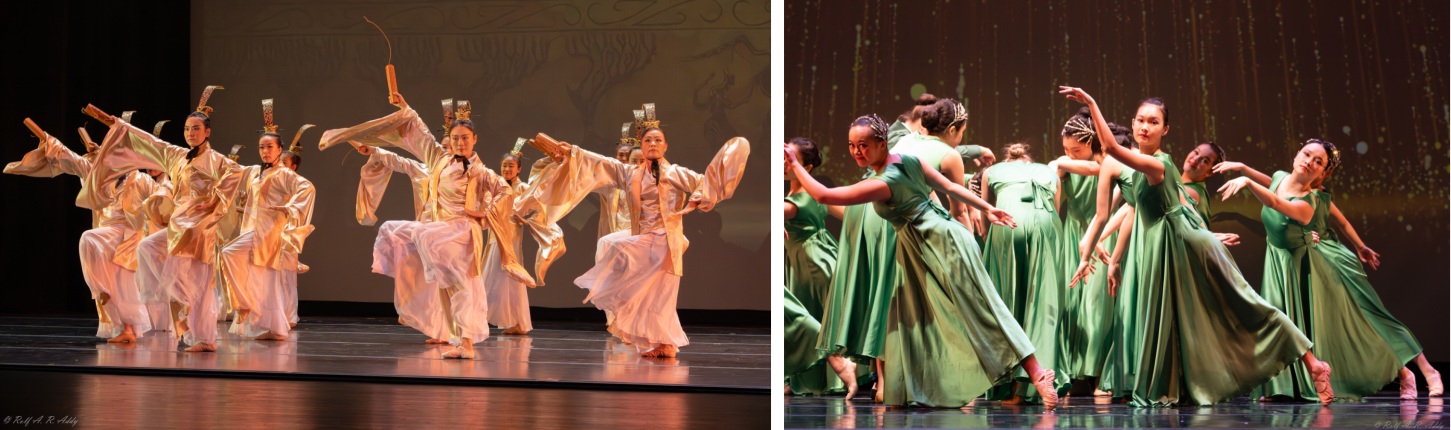 From Top Left to Bottom Right (All by Rolf Addy): “Blooming Reeds by the Yellow River,” “The Brightest Future,” “Blossoming Fans,” “Enchanted Phantom,” “The Luo River Goddess,” “Shaolin Kungfu,” “Hello Flowers,” “A Lingering Kite,” “Confucius,” “Seeds of Resilience.”
As I was greeted by the frigid Minnesota winter outside, the evening’s performance weighed heavily on me. Something still lingered on my mind – how could a deadly river with such a tragic legacy be so honored by the people it nearly destroyed?
And as photographer and Phoenix Dance contributor Jijun He had posed to me, “Given that the Yellow River has brought immense disasters throughout history, why do the Chinese people still honor it as their mother river?”
“This is a philosophical question,” he mused. “I believe that throughout thousands of years of Chinese cultural thought, there has been a spirit of accepting the natural conditions we cannot choose. No matter how harsh they may be, humanity can only accept them without complaint and then find ways to survive. This is a millennia-long process in which people, after paying a great price, have adapted to the river and survived alongside it, becoming resilient and tenacious in the process.”
“The four great ancient civilizations all emerged along rivers, and the Yellow River is the most turbulent among them. Yet, coincidentally, Chinese culture is the only one that has survived to this day.
I think the Yellow River has played a significant role in shaping the collective personality of the Chinese people throughout history. If the Chinese people accept themselves, they should also accept, with gratitude, the natural environment that has shaped them. Thus, the Yellow River has become the mother river in the hearts of the Chinese people.”
He concluded, “Perhaps the history of suffering is long, but the positive outcome is also profoundly meaningful.”
The river’s contributions, I believe, have shaped our people and legacy. Yes, the Yellow River has caused undeniable pain. But, like an iron, the same raging currents that ended lives have sharpened the resolve and will of the Chinese people to survive and blossom culturally.
The Huang He will be forever engrained with Chinese identity. As long as the Chinese people exist, this mother river will live through our songs and dances.
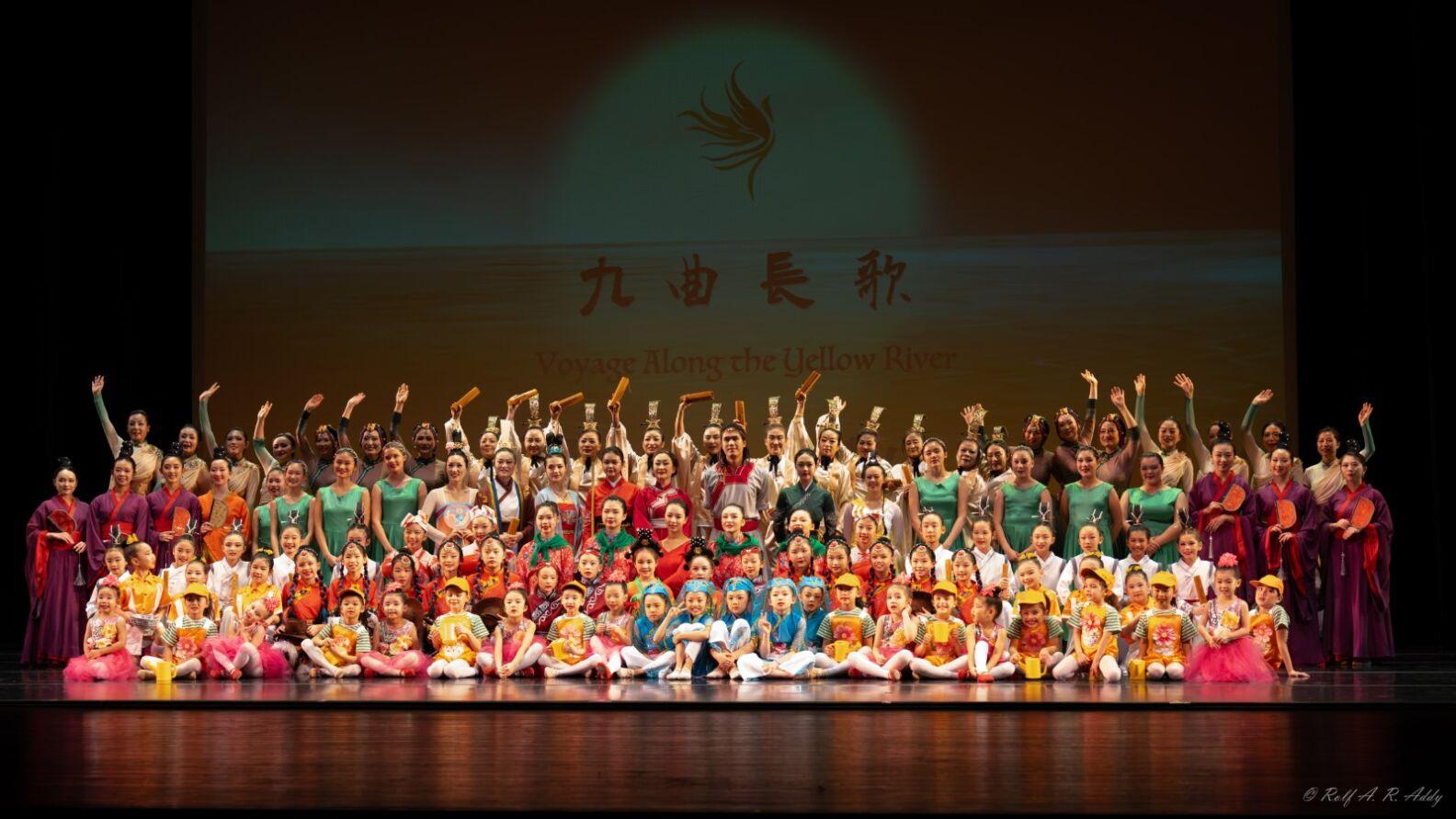 Above: Group Photo (Rolf Addy)
Suggested Resources:
Phoenix Chinese Dance Academy: Mission-PHOENIX CHINESE DANCE ACADEMY — PHOENIX CHINESE DANCE ACADEMY
The Yellow River Concerto: https://youtu.be/rhbflm69Bh8?si=p7z5w5-ScYk034DN