
Ruiqin Huang, Postgraduate, New York University
Gu Xiu’er, Postgraduate, University of Texas at Austin
Zhang Yuhan, Postgraduate, Hunan University of Technology and Business
Editor, Dr. Zhang Ling, VP/Professor, Hunan University of Technology and Business
Director of the Projecting Center for China-Africa Industrial Culture of Economy and Trade
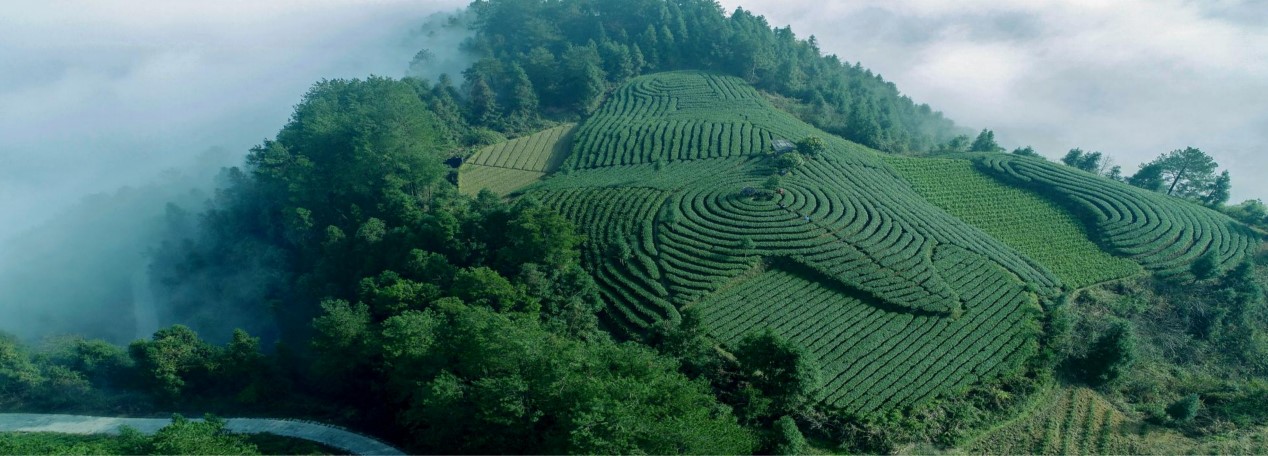
The best green tea in China called “Golden Tea” is from Baojing County, Xiangxi Tujia and Hmong Autonomous Region, between the zone of east longitude 109°12′ – 109°33′ and north latitude 28°24′ – 28°36′ in Hunan Province. In Baojing County, there are seven ancient tea gardens, covering an area of 150,000 square meters, with 2,057 ancient tea trees of the Ming and Qing Dynasties. The oldest ancient tea tree is more than 410 years old. The brilliant quality of Baojing Golden Tea is closely related to its growing environment and unique process. Sited in the Wuling Mountains, Baojing County has afforded superior natural conditions for the growth of tea trees with its mild climate, abundant rainfall and fertile soil.
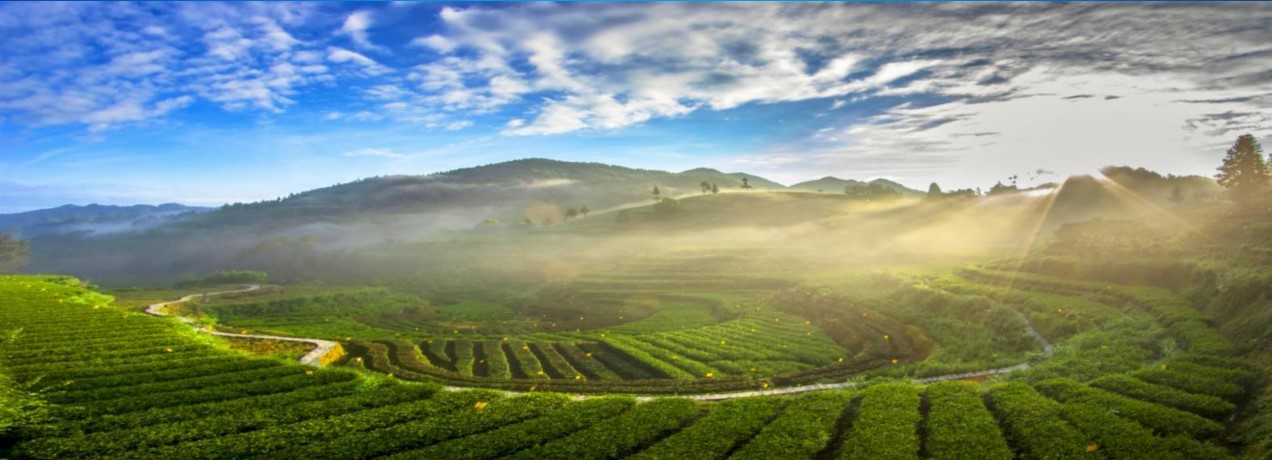
Baojing Tea Mountain (Photo by Baojing People’s Government)
Due to the low flowering and fruiting rate of the golden tea, along with seeds that were often eaten by mice after sowing, the yield of Baojing Golden Tea was small albeit the locals had frequently tried to use tea seeds for sexual propagation. From the Jiaqing reign (1796) of the Qing Dynasty to the 1980s, the tea trees of Baojing Golden Tea were on the verge of extinction with a number of no more than a thousand only. Until the arrival of Ms. Zhang Xiangsheng, known as the “Mother of Baojing Golden Tea”, Baojing Gold Tea were able to live and multiply and to be tasted by people today. In 1982 Ms. Zhang Xiangsheng began to study and research on the propagation problems of the Golden Tea trees. She tried the adoption of a cutting method for asexual reproduction for years, and made a breakthrough in 1993. Finally, a variety of high-quality green tea: “Baojing Golden Tea No.1” and “Baojing Golden Tea No.2” were successfully cultivated in 2003.
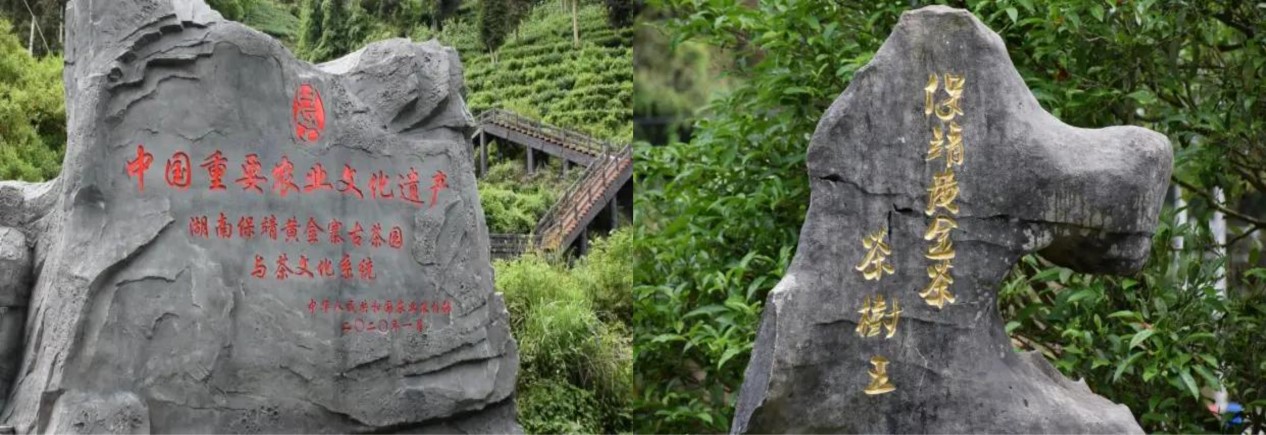
Baojing Golden Tea Trees (Photo by Baojing People’s Government)
The complex production process of Baojing Golden Tea maximizes the retention of natural substances in the tea, such as tea polyphenols and amino acids. There are five main steps in its production: First, pick new shoots in spring when the first or second tea leave of a branch has just sprouted. Second, evenly spread the picked tea leaves in a ventilated place to make the leaves dry and soft. Third, heat the tea in a high temperature to reduce the enzyme activity in the leaves, prevent fermentation, remove the grass smell of the leaves and make the tea emit a fresh aroma. Fourth, twist the tea leaves into strips to destroys the cells of the tea leaves. Fifth, bake or stir-fry the leaves, remove water and make the leaves dry so that they can be stored and transported.
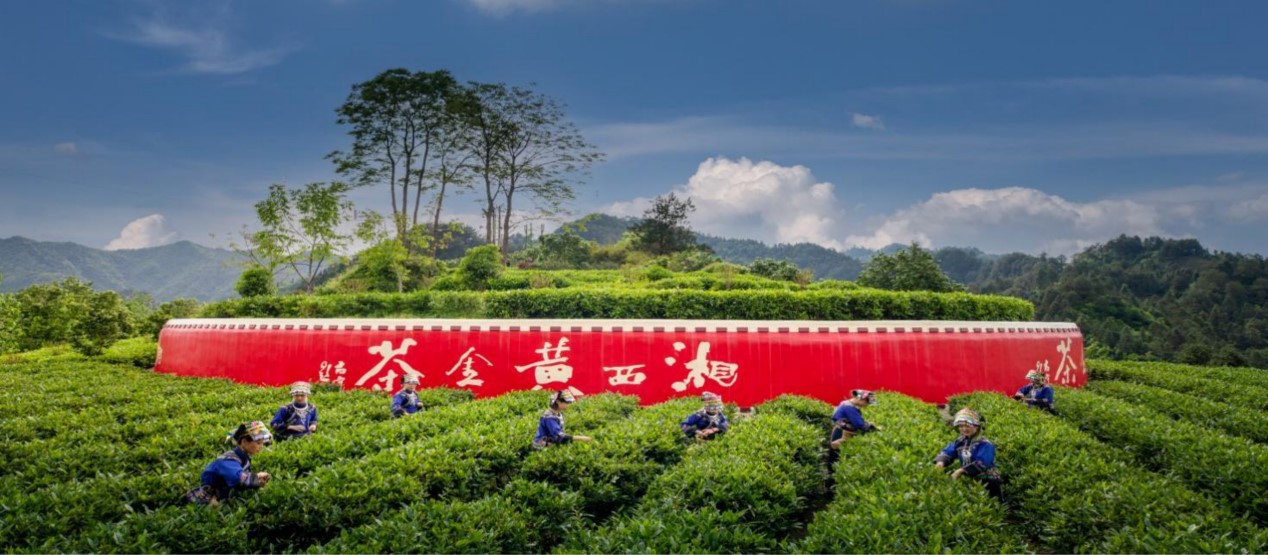
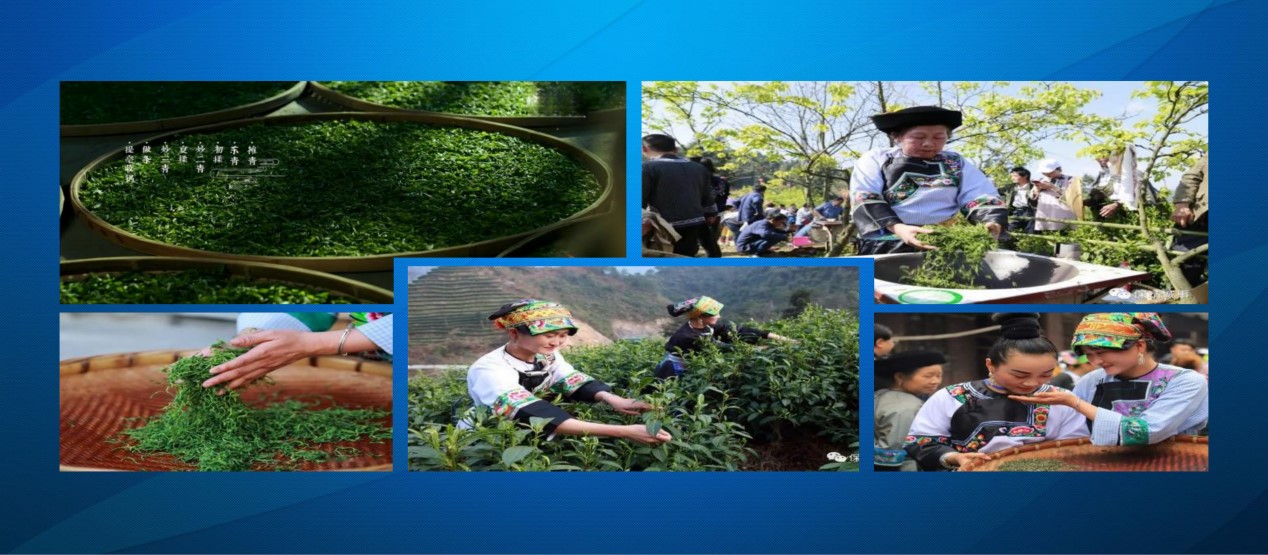
Baojing Golden Tea ( (Photo by Baojing People’s Government)
Baojing Golden Tea is a green tea with a fine and even stripe shape and an emerald-green color. It has a thin and slightly curved shape, and fine hairs. The leaves are tender, fragrant and long. Its color is jade green with bright yellow and green on the bottom of leaves. The tea infusion has a fresh and mellow taste with a long-lasting sweet aftertaste. Baojing Golden Tea is famed for its unique quality, namely “Four Highs and Four Wonders” with its nutrients: water extract (≥40%), amino acid (≥2.5), and tea polyphenols (≥20%). The “Four Highs” refers to the high content of amino acids, tea polyphenols, water extracts, and chlorophyll in the tea leaves. The amino acid content is 7.47%, which is twice that of other green teas. The tea polyphenol content is about 20%, the water extract is nearly 50%, and the chlorophyll content is more than 50% higher than the control group. The “Four Wonders” refers to the rich aroma of tea, the emerald-green color of the soup, the refreshing taste, and the mellow aftertaste.
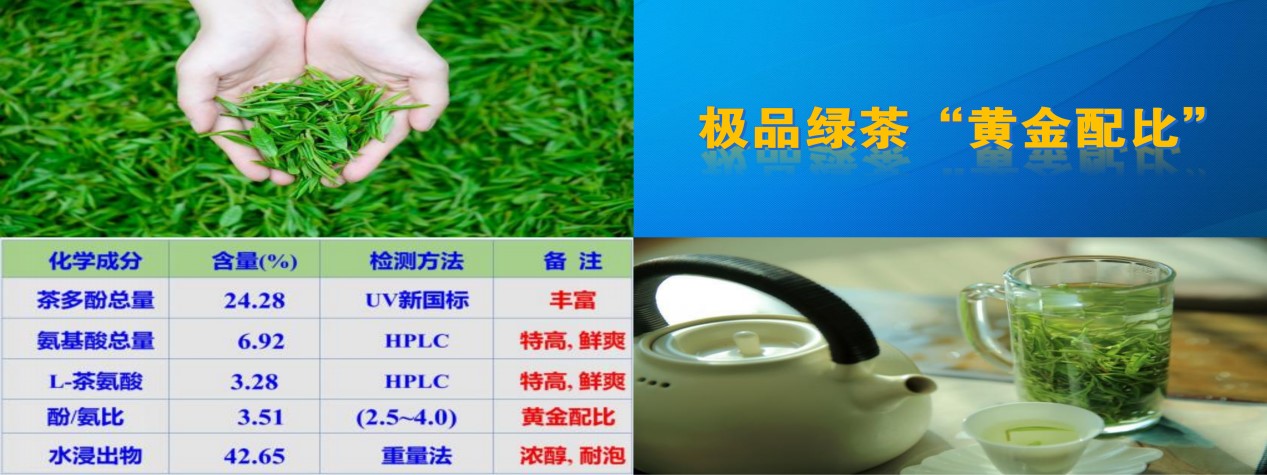
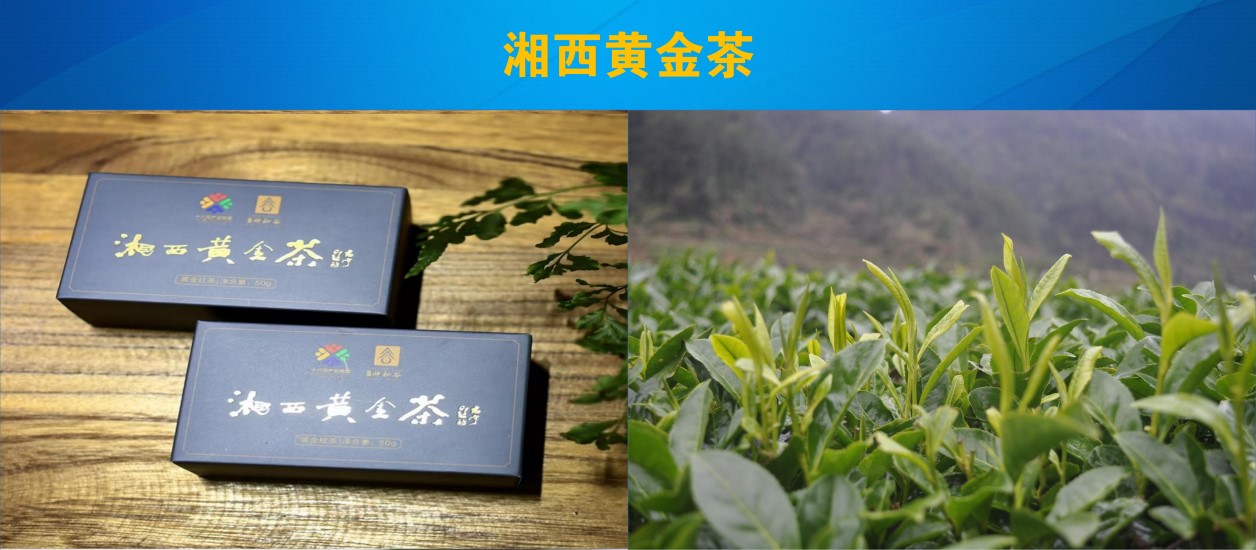
Baojing Golden Tea (Photo by Baojing People’s Government)
Nowadays, Baojing Golden Tea has become an important local industry. On December, 11, 2009, Baojing Golden Tea was included in the list of China national geographical indication for agricultural products with the protection registered ID: AG100254. The protection tea area includes three towns and townships in Baojing County and Xiangxi Tujia and Miao Autonomous Prefecture, namely Hulu Town, Hangsha Township, and Shuitianhe Town. Its total protection area is 2,100 hectares and the annual output is 86 tons. With the existing ancient tea gardens and trees not only as a precious historical heritage, they also have enhanced the guarantee of its quality. Famous brand tea companies have emerged like Hunan Baojing Golden Tea Co. Ltd, Mita Tea Industry, and Chapofeng Group.
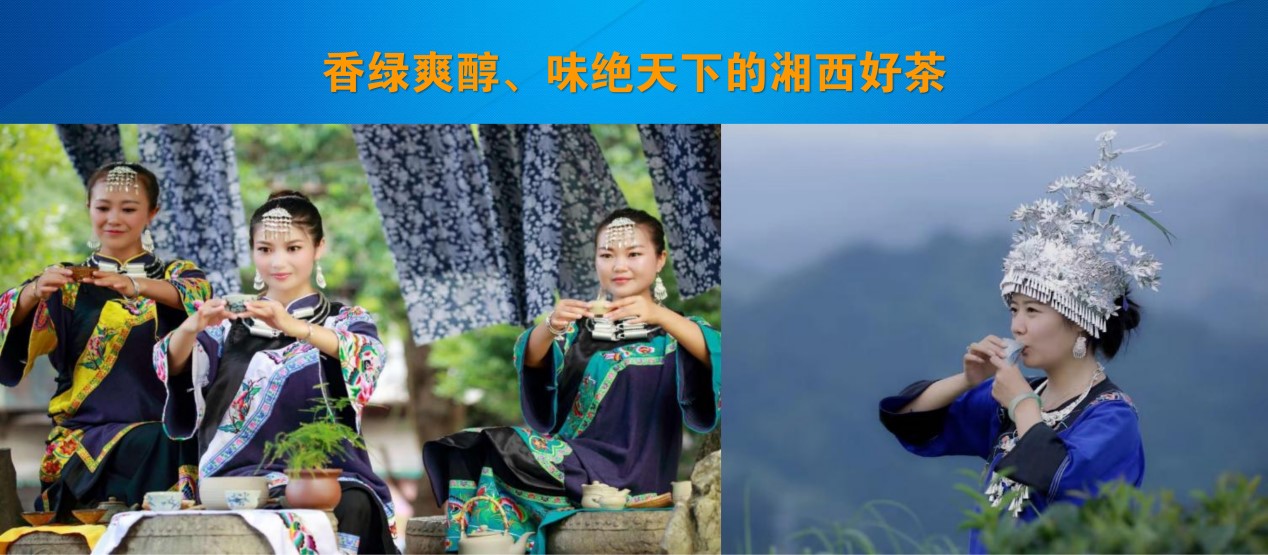
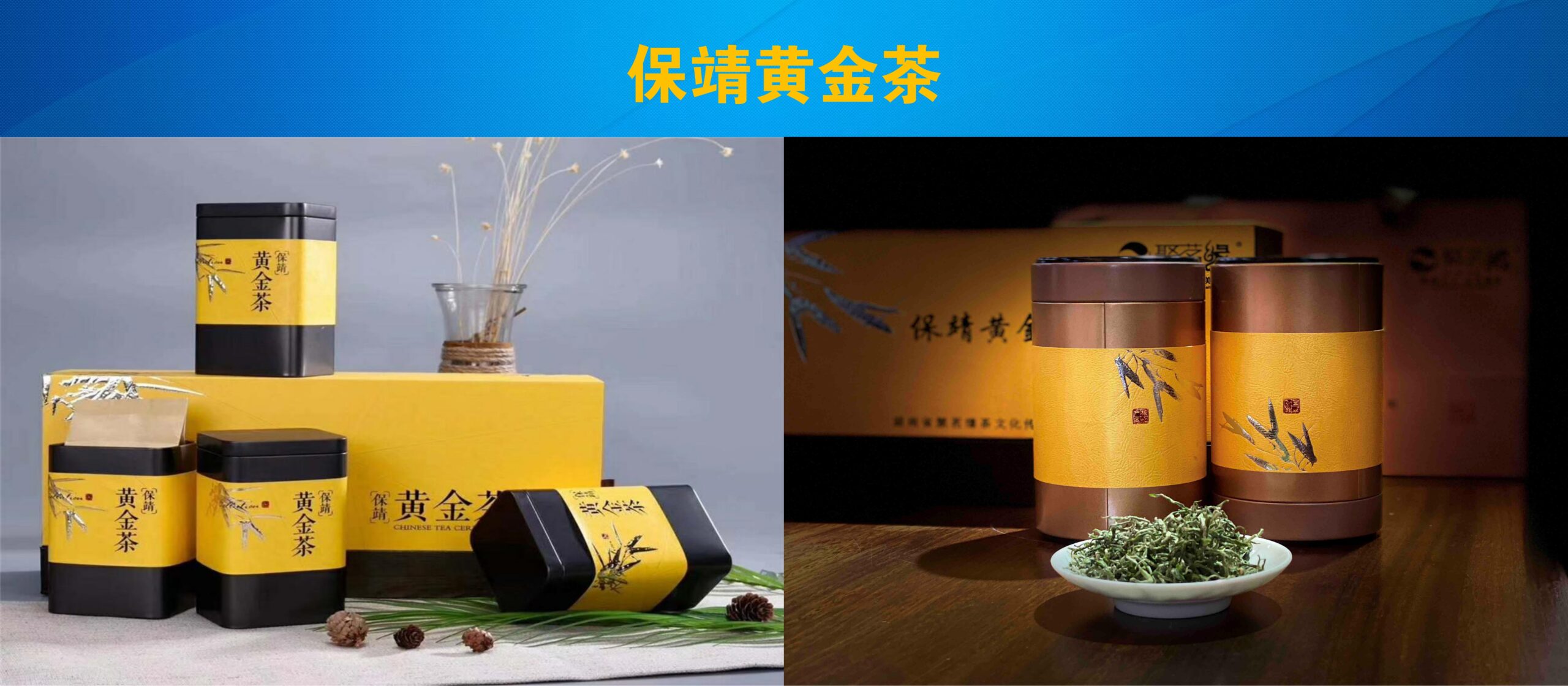
Baojing Golden Tea: A China National Geographical Indication Product (Photo by Baojing People’s Government)
In the recent years, the reputation of Baojing Golden Tea has been continuously increasing, and its export volume is constantly rising. It has successfully entered the Southeast Asian market, such as Vietnam and Malaysia, and has been favored by Hong Kong residents and foreign tourists at international exhibitions, demonstrating its potential in the international markets. In March 2021, Baojing Golden Tea was comprised in the second batch of protection lists under the China-Europe Geographical Indications Agreement. This has created opportunities for its entry into the European market where a great demand for high-quality tea is needed. With its excellent quality and unique flavor, Baojing Golden Tea is anticipating to grab market share in Europe.
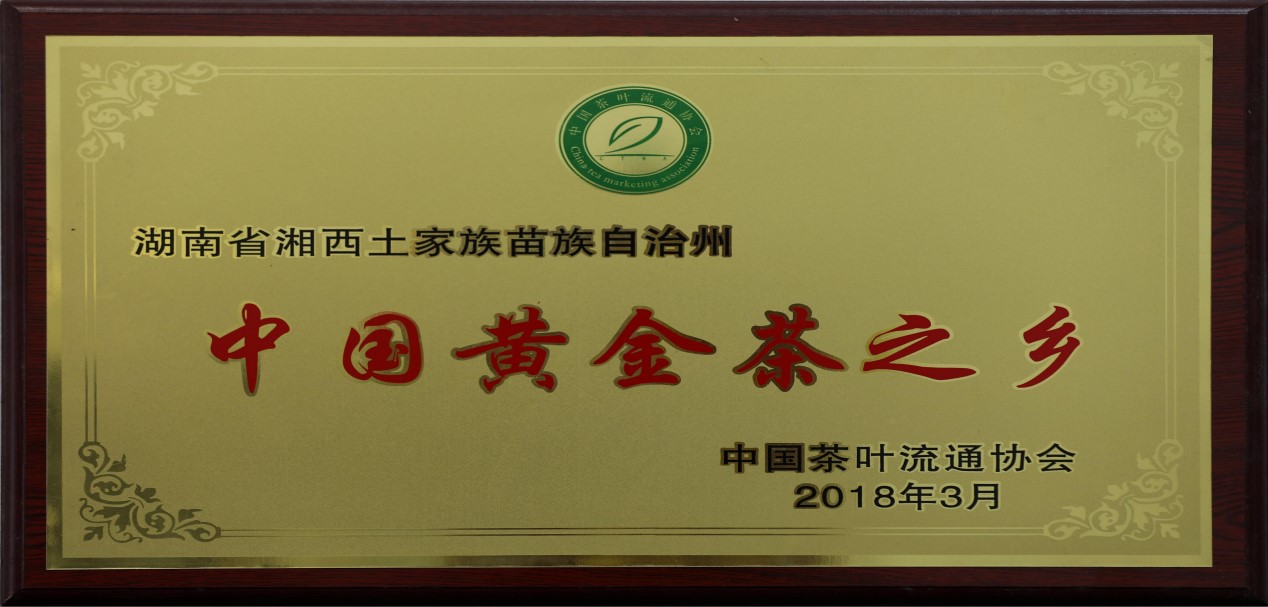
Hometown of the Golden Tea (Photo by Baojing People’s Government)
“One kilogram of gold for one kilogram of tea”, this saying, which has been passed down over the years, expresses how precious the golden tea is and how people love it. In the future, in order to write a more brilliant chapter in history, Baojing Golden Tea will innovate while cherishing its inheritance and develop while innovating.
Editor’s Note: China Insight hopes you found this article informative and educational since we were selected to publish this exclusively. You can find additional articles about the Dong people and region by searching our website and entering “Dong People” and other key search terms to access the many special articles in our archive that have published over the years.